ISLAMABAD, October 18, 2026 – Pakistan’s major telecom companies have asked the federal government to charge industrial electricity rates for essential network infrastructure. The companies say high power costs could make it harder to expand 5G, fibre internet and data centres across the country.
The Pakistan telecom electricity tariff issue gained fresh attention after Business Recorder reported a joint letter from the chief executives of Jazz, CMPak (Zong), PTML and PTCL to Prime Minister Shehbaz Sharif. The operators referred to around $2 billion in planned network investment over three years.
The government has not yet announced that the requested industrial tariff has been approved. The companies’ warnings, cost figures and projected benefits are their arguments to policymakers, not independently proven outcomes.
Pakistan Telecom Electricity Tariff: Key Facts
Latest report: October 18, 2026.
Companies requesting relief: Jazz, CMPak (Zong), PTML and PTCL.
Main request: Apply industrial power rates to approved telecom network infrastructure instead of commercial electricity tariffs.
Reported investment commitment: $2 billion over the next three years for 5G and expanded fibre networks, according to the operators.
Power-cost claim: Commercial electricity tariffs for telecom sites increased by approximately 197% since 2018, according to the companies.
Other cost claim: Fuel costs rose about 300% over that period, while average revenue per user reportedly declined around 22%.
Current decision: A joint task force has examined the issue; a final approved tariff change has not been established by the October 18 report.
The numbers above are company statements reported in the joint letter. They should not be mistaken for an independent tariff audit or proof that a $2 billion investment has already been spent.
What Are Telecom Companies Asking the Government to Do?
Telecom operators want the electricity used by mobile towers, switching centres, data centres and other key network facilities to be charged at industrial rather than commercial rates.
Electricity is one of the costs of keeping internet and phone networks running. Equipment must remain powered day and night, even when few people are actively using a particular tower.
The companies argue that they have long been recognised as an industry under government policy but still pay commercial rates for important infrastructure.
They have asked the government to change the tariff classification or create a new power consumer category specifically for digital and telecom infrastructure.
Why Do Mobile Towers Need So Much Electricity?
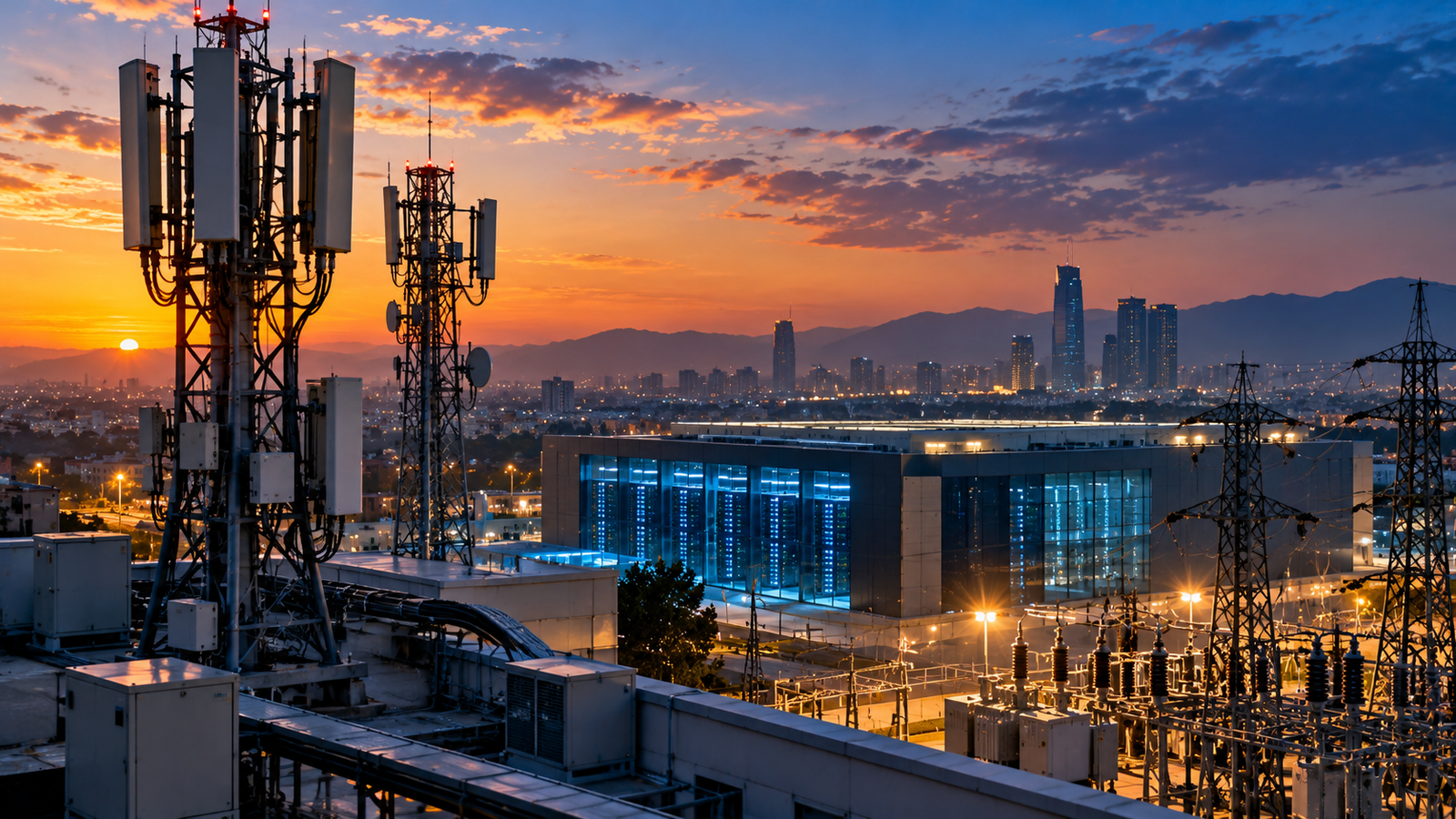
A mobile tower is more than a tall metal structure. It contains radio equipment, processors, cooling systems and supporting devices that transmit and receive signals.
The equipment must usually operate continuously. In places with unreliable grid supply, telecom providers also use batteries, generators or other backup systems.
The electricity bill becomes more important when thousands of sites are involved. Even a small change in operating costs at one location can add up across a nationwide network.
Telecom operators say rising electricity costs are making it harder to finance future network improvements. But the scale of the impact depends on each company’s actual consumption, contracts and site equipment.
How Could Electricity Prices Affect Pakistan’s 5G Networks?
5G is a newer generation of mobile technology designed to support higher data capacity, lower delays in suitable conditions and more connected devices.
Building 5G coverage requires spectrum, suitable equipment, network connections and a reliable supply of electricity. It also needs investment to upgrade existing sites or add new ones.
If operating costs stay high, companies may have less financial flexibility to expand their networks. That is the concern highlighted in the letter.
This does not mean the government has cancelled 5G or that operators have announced a complete halt to installation. The companies are using the investment risk to support their request for lower electricity charges.
What Is the Reported $2 Billion Investment Plan?
The operators told the prime minister that the industry has committed around $2 billion over three years for 5G infrastructure and greater fibre connectivity.
This is a company-reported forward-looking commitment. It is not a new government grant and does not mean all of the money has already been invested.
A part of the spending would support radio equipment and sites, while fibre connections help carry large amounts of traffic between towers, businesses and internet systems.
The companies also referred to investment in AI-ready Tier-III data centres, which require dependable power and cooling to operate.
Future company disclosures and actual installations will show how much planned investment becomes completed infrastructure.
Why Is Fibre Internet Important Alongside 5G?
Fibre-optic cables carry information using light. They can move large amounts of data over long distances and are important for both home broadband and mobile networks.
A 5G tower may offer fast wireless access to users, but it still needs a strong connection to the rest of the internet.
This is why telecom companies discuss fibreisation and 5G together. Expanding one without the other may create bottlenecks.
For residents, better network investment could eventually improve connectivity in some areas. However, lower electricity tariffs would not by themselves guarantee faster internet in every city or village.
What Is an AI-Ready Data Centre?
A data centre is a facility that holds computer servers, networking systems and storage equipment.
AI-ready data centres are designed to support demanding computing workloads. They need reliable electricity, cooling and physical security, especially when many servers operate at once.
Operators say the rising electricity burden could affect new facilities of this kind as well as ordinary telecom sites.
Building a data centre is not the same as launching an AI product. The reported industry plans concern infrastructure capable of supporting future digital services.
Why Do Telecom Companies Say They Deserve Industrial Rates?
The joint letter cites government policies dating back to 2004, when the telecommunications sector was recognised as an industry in relevant official arrangements.
The companies also point to changes made through the Finance Act 2021, which included PTA-licensed operators within the definition of an industrial undertaking for certain tax purposes.
Their argument is that electricity pricing should reflect the sector’s industrial classification.
However, a classification under tax legislation does not automatically decide electricity tariff eligibility. Power rates have their own regulatory and policy procedures.
This distinction is important because the companies are asking authorities to make a specific tariff decision, not reporting that the change has already taken legal effect.
What Has the Government Done So Far?
The government’s January 6, 2026 policy directive for the IMT spectrum process called for a joint task force to examine industrial electricity tariffs for telecom operators.
The directive also discussed smart-grid solutions and dedicated feeders that could reduce long power outages affecting telecommunications.
According to Business Recorder, the task force was formed and met for the first time on August 4. Participants included the Ministry of IT and Telecommunication, Power Division, NEPRA, PTA, distribution companies and telecom operators.
ProPakistani reported in August and September that work was underway on a framework and that telecom operators had supplied information about their power use and costs.
The October 18 report is a new push for a policy decision after those earlier discussions.
Which Sites Would Get Cheaper Power Under the Proposal?
The companies are not asking for industrial rates to apply automatically to every property associated with a telecom brand.
Their proposed eligibility framework would be certified by the Pakistan Telecommunication Authority.
It includes cellular towers, base transceiver stations, core hubs, mobile switching centres, network operation centres, exchanges, data centres and fibre-to-the-home equipment.
They propose excluding corporate administrative offices, franchises, customer service outlets and other retail premises.
That distinction is meant to keep any benefit focused on the equipment needed to provide communications services rather than general business operations.
What Do the Companies Say About Rising Costs?
In their joint letter, the operators claim commercial electricity tariffs at telecom sites have risen about 197% since 2018.
They also say fuel costs have increased approximately 300%, while average revenue per mobile user has declined around 22%.
In simple terms, the companies argue that running a network has become more expensive even as the revenue earned from each customer has faced pressure.
Business Recorder also reports their concern about withholding taxes adding to the financial burden.
These trends are company-reported. They should not be treated as independently confirmed figures for every operator or a forecast that mobile data packages must immediately become more expensive.
Could Industrial Rates Help Rural Connectivity?
Rural networks can be costly to maintain because towers may serve fewer customers and sometimes have less reliable electricity access.
Operators say lower power bills would allow them to direct more money toward rural coverage, network upgrades and fibre connections.
If those savings are actually reinvested, communities with limited connectivity could eventually benefit.
But this is a proposed use of future savings. No verified timetable for additional rural towers, villages served or new household connections was announced in the joint letter.
Readers should watch for measurable rollout results rather than assume that every underserved area will soon receive 5G.
How Could This Affect Electricity Distribution Companies?
Lower tariffs could reduce the amount electricity distribution companies receive for some units of power sold. That is one reason pricing changes need careful review.
The telecom operators argue that cheaper grid electricity could persuade them to rely less on off-grid solar and other alternatives.
They project a 15% to 20% increase in grid use and slower growth in off-grid solar installations under their proposed arrangement.
These are forecasts prepared by the telecom industry, not results that have already occurred.
The government and regulator would need to examine whether the extra electricity sales could offset any reduction in tariff revenue.
Why Are Solar-Powered Towers Part of the Discussion?
Mobile network providers increasingly consider solar panels, batteries and other backup systems to control energy costs and keep equipment running during outages.
Solar power can be particularly useful at remote sites or locations where the grid is unreliable.
The operators argue that lower grid tariffs could make national-grid electricity more attractive for certain sites.
This does not necessarily mean solar technology is unsuitable for telecom networks. The best power setup depends on local electricity reliability, equipment costs and operating needs.
A policy choice should consider both financial costs and the long-term reliability of mobile and internet services.
Will Mobile Internet Packages Become Cheaper?
No direct consumer price reduction has been announced as part of this request.
Lower electricity costs could help network operators manage expenses, but companies decide package prices using many factors, including competition, investment requirements, spectrum costs and taxes.
A reduction in operating costs might be used to improve coverage, build infrastructure or support other business activities.
Consumers should therefore not expect an automatic fall in mobile data prices simply because the companies have requested industrial electricity rates.
The real consumer benefits would need to be demonstrated through service improvements or future pricing changes.
What Are the Concerns About Giving Special Tariffs?
A lower rate for one group of electricity users can raise questions about how the power system will recover its costs.
Policymakers may need to consider whether lower tariffs would require subsidies, change costs for other consumers or affect distribution companies’ finances.
There are also questions about which facilities qualify and how misuse would be prevented.
The operators’ proposed PTA certification is intended to address part of that concern, but a full regulatory assessment remains necessary.
An effective decision would need to balance improved digital connectivity with fair and financially sustainable power pricing.
Could a Separate Digital Infrastructure Tariff Be Introduced?
The companies have offered an alternative to simply moving telecom infrastructure into existing industrial tariff categories.
They suggest a dedicated “Digital/Telecom Infrastructure” electricity consumer category with rates equivalent to industrial charges.
Such a category could make the eligibility rules clearer for regulators, distribution companies and operators.
But creating or approving a new tariff category requires the appropriate government and regulatory process.
The October 18 report does not establish that NEPRA or the government has already implemented this proposed category.
What Does the Request Mean for Pakistan’s Digital Economy?
Telecom networks support online education, banking, software development, business communications and many other services.
Reliable fibre, mobile networks and data centres can help companies expand digital operations and serve customers outside major cities.
This makes telecom infrastructure economically important beyond the companies that own it.
The proposed electricity tariff change could affect the economics of building that infrastructure, but the size of any benefit is not yet verified.
Investment, equipment quality, spectrum availability, regulation and customer affordability will still matter.
What Happens Next?
The next steps could involve decisions by the federal government, technical analysis by the Power Division and NEPRA, and implementation instructions for power distribution companies.
Regulators may also review which telecom sites qualify, how they would be certified and how the tariff would affect electricity-system finances.
For readers, the strongest evidence of progress would be an official notification specifying eligibility, rates and an effective date.
Until such a decision is documented, the accurate news is that major telecom companies are requesting relief and warning that high electricity costs could weaken investment in 5G and digital infrastructure.
Conclusion
Pakistan’s major telecom operators have asked the prime minister to extend industrial electricity tariffs to essential network facilities. They say rising electricity expenses threaten the financial sustainability of plans worth around $2 billion over the next three years.
The request covers mobile towers, fibre networks, switching equipment and data centres, while excluding ordinary offices and retail outlets.
The proposed change may help operators invest more in connectivity, but the expected savings and wider economic effects still need independent review. For now, it remains a request—not an approved nationwide tariff change.
Frequently Asked Questions
What is the Pakistan telecom electricity tariff dispute?
Telecom companies want their essential network facilities charged industrial electricity rates instead of commercial rates.
Which operators made the request?
Business Recorder reports a joint letter from Jazz, CMPak (Zong), PTML and PTCL.
Has the government approved lower electricity rates?
No final approval is confirmed by the October 18, 2026 reporting.
How much 5G investment is involved?
Operators say the sector has committed around $2 billion over three years for 5G and fibre expansion.
Will mobile data prices fall?
No automatic or confirmed reduction in consumer mobile data prices has been announced.
What facilities could qualify for industrial rates?
The proposal covers mobile towers, switching centres, network hubs, data centres and certain fibre infrastructure, subject to certification.
Why do 5G networks require reliable electricity?
They depend on constantly powered radio equipment, data links, networking systems and sometimes energy-intensive computing facilities.
What should readers watch next?
An official government or regulatory decision confirming any new rate, the sites eligible and the date of implementation.
About The Author