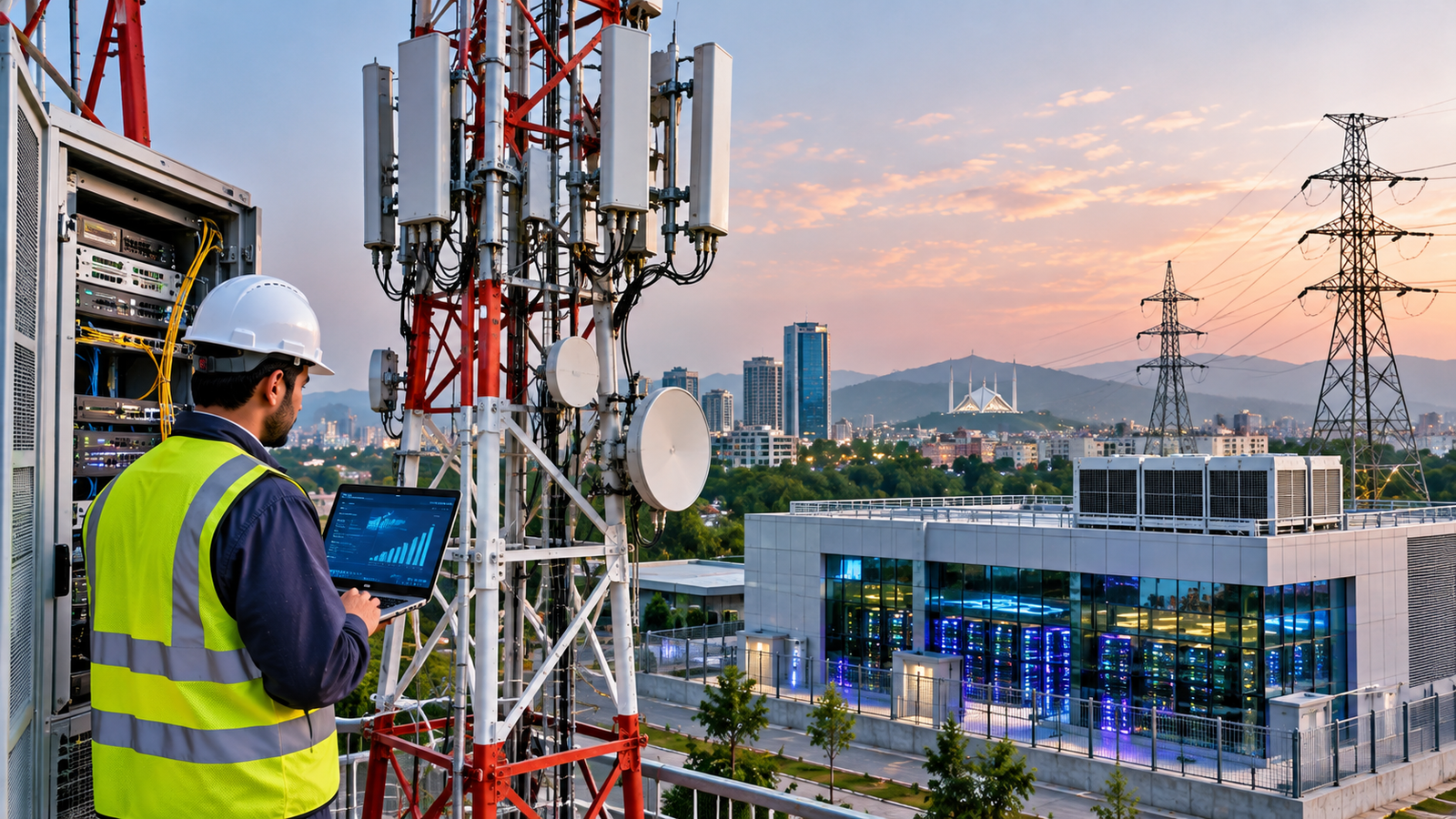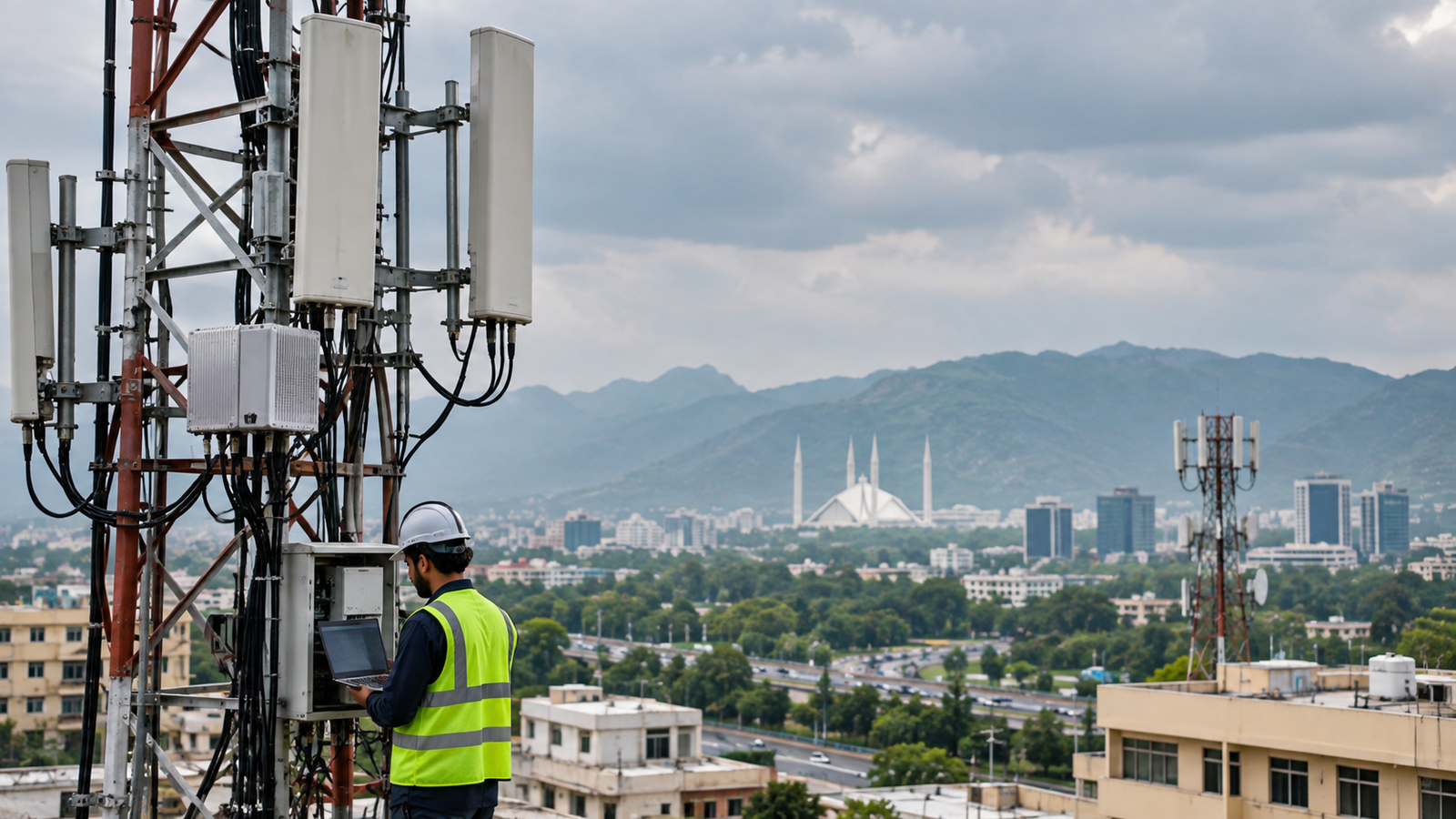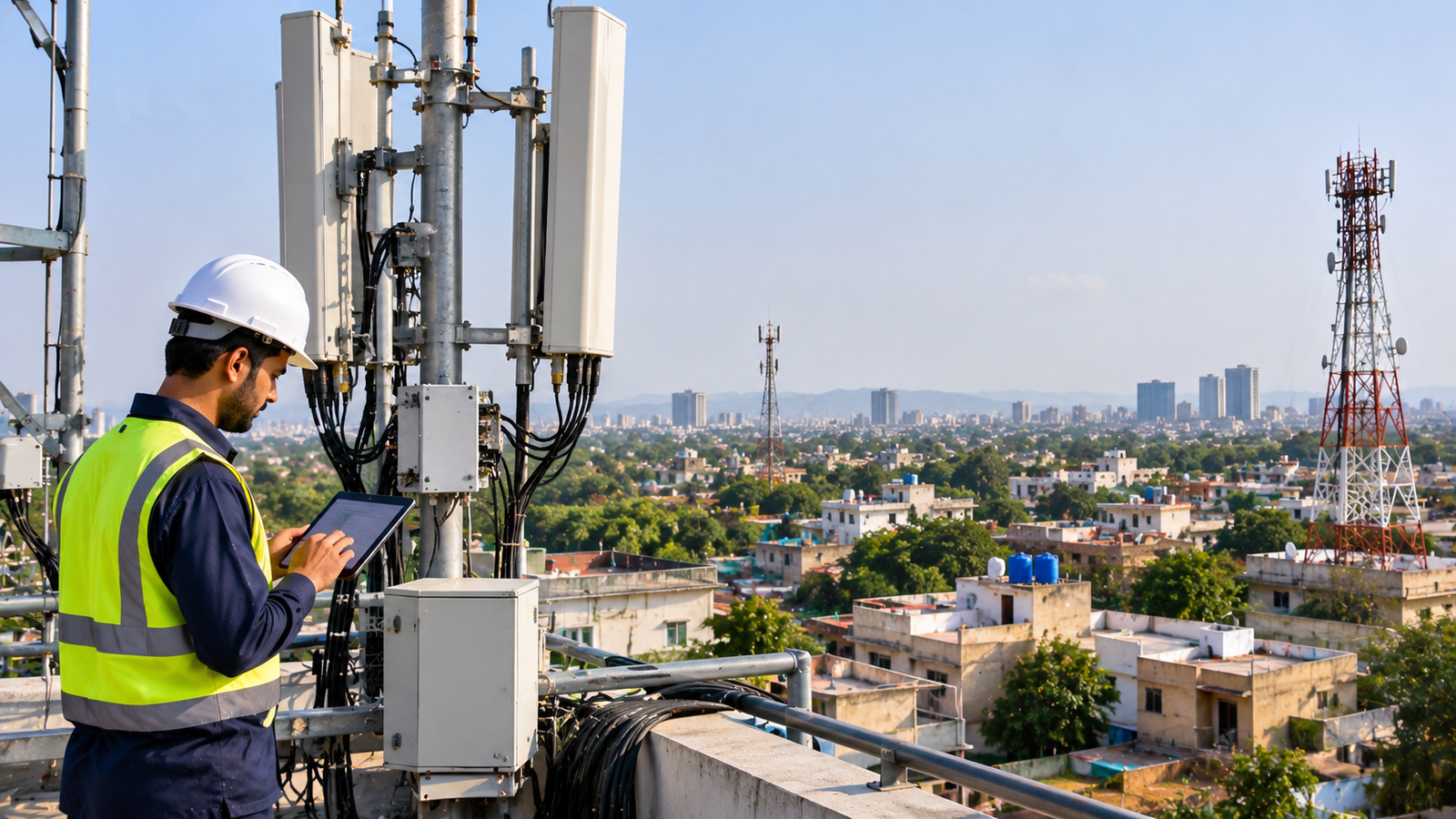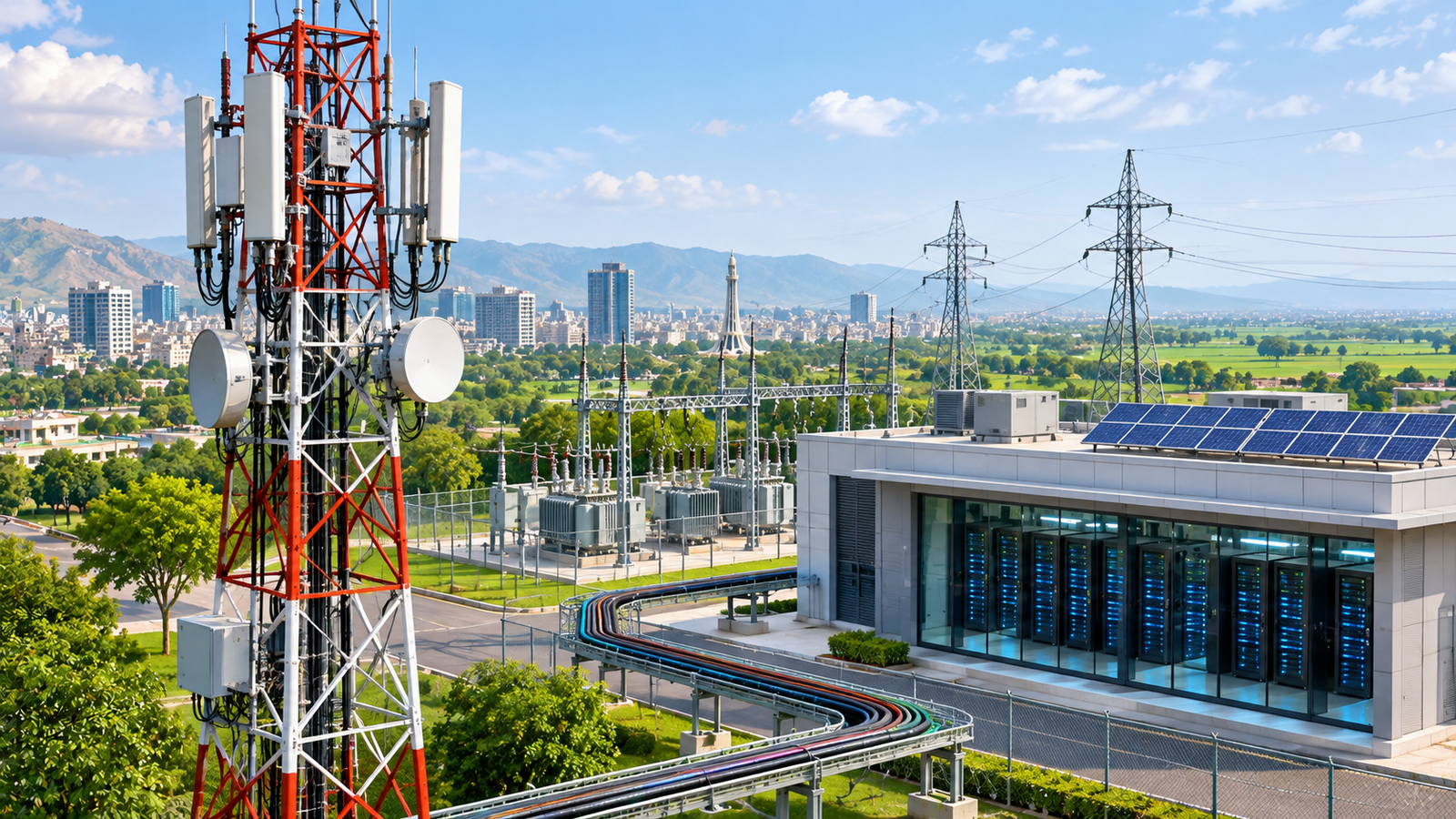
The Pakistan telecom electricity tariff 2026 proposal has moved forward after the Prime Minister’s Office directed a special task force to finalise recommendations on extending industrial electricity rates to eligible telecommunications infrastructure. The development could reduce operating costs for mobile network operators and support investment in 5G networks, fibre connectivity and data centres. However, the government has not yet approved the proposed tariff change, and telecom users should not expect an immediate reduction in mobile package prices.
The directive follows a joint request from the chief executives of Jazz, CMPak (Zong), PTML, which operates Ufone and Telenor, and Pakistan Telecommunication Company Limited (PTCL). The companies have argued that telecom infrastructure continues to face commercial electricity rates despite the sector being recognised as an industry under existing government policies and legislation. They have asked the government to extend industrial tariff treatment to essential network infrastructure.
Business Recorder reported on November 11, 2026, that the task force had been asked to consult the Power Division and Finance Division and prepare recommendations covering the financial implications and a mechanism for absorbing the difference between commercial and industrial electricity rates. The recommendations will then be considered by the federal government.
The telecom operators say rising energy expenses are placing pressure on network investment at a time when Pakistan is expanding its digital infrastructure. According to figures cited by the companies, commercial electricity tariffs for telecom sites have increased by approximately 197 per cent since 2018, while fuel costs have risen around 300 per cent. They also reported a 22 per cent decline in average revenue per user over the same period, alongside an additional five per cent withholding tax burden.
The companies have said that they have committed approximately $2 billion in investment over the next three years for 5G deployment, fibre expansion and AI-ready data centres. They argue that lower electricity costs could help protect these plans and allow savings to be reinvested in network development. The Pakistan telecom electricity tariff 2026 proposal is therefore important not only for telecom operators but also for the wider digital economy, internet users and businesses that depend on reliable connectivity.
Pakistan Telecom Electricity Tariff 2026: What Has the Government Decided?
The Prime Minister’s Office has directed a special task force to finalise recommendations for extending industrial electricity tariffs to eligible telecommunications infrastructure. The task force must consult the Power Division and Finance Division and assess the financial implications of the proposed change, including how the difference between commercial and industrial rates could be managed.
This is an important step in the policy process, but it is not a final approval. The federal government will consider the recommendations before deciding whether to introduce a revised tariff arrangement. Until that decision is announced, telecom operators remain subject to the existing electricity billing framework.
The task force was originally constituted on June 29, 2026, under the leadership of the Secretary of the Ministry of Information Technology and Telecommunication. Its mandate includes examining industrial electricity tariffs for the telecom sector, considering smart-grid solutions and exploring dedicated power feeders to reduce the impact of prolonged electricity outages.
The task force includes representatives from the Pakistan Telecommunication Authority (PTA), Power Division, National Electric Power Regulatory Authority (NEPRA), telecom operators and electricity distribution companies. Its first meeting was held on August 4, 2026, with participation from relevant government departments and industry representatives.
The latest directive asks the group to complete its recommendations so the government can evaluate the proposal. The next important development will be the submission of the task force’s findings and any subsequent federal policy decision.
Why Are Telecom Companies Asking for Industrial Electricity Rates?
Telecom operators rely on a large network of electricity-consuming infrastructure to provide mobile calls, internet access and digital services. Cellular towers, base transceiver stations, switching centres, exchanges and data centres need reliable power to operate continuously. When electricity prices increase, network operators face higher running costs that can affect their ability to maintain and expand services.
The companies argue that telecommunications has been recognised as an industry under government policies and legislation, yet essential telecom infrastructure continues to receive commercial electricity tariff treatment. They have referred to the Mobile Cellular Policy 2004 and a notification issued by the Ministry of Industries and Production on April 20, 2004, which they say classified telecommunications as an industry.
The operators have also cited the Finance Act 2021, which amended the Income Tax Ordinance to include PTA-licensed telecom operators within the definition of an industrial undertaking for taxation purposes. Their argument is that the sector’s industrial recognition should be reflected in electricity tariff treatment for the infrastructure that delivers telecommunications services.
The companies have also pointed to a NEPRA precedent from November 2018, when industrial electricity tariffs were extended to dairy and poultry farms. They argue that essential telecommunications infrastructure has a comparable case for industrial tariff treatment because it supports national connectivity and digital services.
The government’s task force will need to assess these arguments alongside the financial implications for the power sector. Any decision must consider the cost of the proposed concession, its eligibility conditions and how the difference between tariff categories would be funded or absorbed.
How Rising Electricity Costs Affect Pakistan’s Telecom Networks
Telecom networks operate across cities, towns, villages and remote areas, requiring electricity at thousands of sites. Mobile towers and base stations need power to transmit signals, while switching centres and network facilities support communication between users and the wider telecommunications system.
Operators also require backup power because electricity outages can disrupt network availability. In locations where grid supply is unreliable, companies may use generators, batteries or solar systems to keep services running. These arrangements add equipment, fuel, maintenance and operational costs.
According to the figures cited by telecom operators, commercial electricity tariffs at their sites have increased by approximately 197 per cent since 2018, while fuel costs have risen around 300 per cent. The companies say these increases have occurred alongside a decline of approximately 22 per cent in average revenue per user, making it harder to absorb higher operating expenses.
These figures are industry claims reported by Business Recorder and other outlets; they should not be treated as independently audited sector-wide measurements. Nevertheless, they illustrate why operators are seeking a revised electricity tariff arrangement.
Higher power costs can influence how quickly a company expands its network, upgrades equipment or invests in new technologies. They may also affect the financial case for extending coverage to areas where subscriber revenue is relatively low but infrastructure costs remain significant.
The impact on consumers is not automatic or immediate. Network quality depends on several factors, including spectrum availability, backhaul capacity, equipment, site density, maintenance and power reliability. Electricity tariff relief could support investment, but it would not by itself guarantee faster internet or fewer service interruptions.
What Telecom Infrastructure Could Qualify for Industrial Electricity Rates?
The telecom operators have proposed limiting the concession to essential licensed telecommunications infrastructure rather than extending it to every part of their businesses. They have suggested that the PTA should certify eligible sites to ensure that only qualifying network facilities receive industrial electricity rates.
The proposed infrastructure includes cellular towers, base transceiver stations, core hub sites, mobile switching centres, exchanges, AI and cloud data centres, fibre-to-the-home nodes and network operating centres. These facilities are directly involved in delivering or managing telecommunications services.
The operators have proposed excluding corporate administrative offices, customer service centres, franchises and retail outlets from the arrangement. This distinction is intended to prevent the concession from becoming a general benefit for all commercial activities conducted by telecom companies.
PTA certification would be an important safeguard if the proposal is approved. The regulator could help identify eligible infrastructure and provide a mechanism for checking whether electricity connections are being used for the purposes covered by the revised tariff category.
The companies have also proposed an alternative if the existing electricity tariff framework does not allow straightforward reclassification. They have suggested creating a dedicated “Digital/Telecom Infrastructure” consumer category with electricity rates equivalent to industrial tariffs.
The final eligibility rules will depend on the government’s decision and any applicable regulatory process. Until a formal notification is issued, the proposed list should be understood as the operators’ request rather than an approved tariff policy.
How Cheaper Electricity Could Support 5G Expansion in Pakistan
Pakistan’s telecom operators have committed approximately $2 billion in investment over the next three years for 5G deployment and fibre expansion, according to figures cited in their joint request. They are also investing in AI-ready, Tier-III data centre infrastructure to support growing demand for computing and connectivity services.
5G networks require more than new mobile antennas. They depend on a combination of radio equipment, fibre backhaul, network management systems, power infrastructure and data-processing capacity. As operators expand coverage and increase network capacity, electricity requirements can also rise.
Fibre connectivity is equally important because it carries large volumes of data between mobile sites, exchanges and core network facilities. Expanding fibre-to-the-home services can improve fixed broadband availability and provide the infrastructure needed for businesses, schools, homes and digital services.
AI-ready data centres add another layer of power demand. These facilities require electricity for servers, cooling systems, storage and network equipment. Reliable power supply is essential because interruptions can affect services used by businesses and digital platforms.
Telecom companies say that savings from industrial electricity rates would be reinvested in 5G deployment, rural connectivity and fibre network expansion. If the proposal is approved and the savings are actually directed towards infrastructure, it could improve the financial capacity of operators to support network development.
However, the scale and timing of any benefit will depend on the final tariff arrangement, the amount of eligible electricity consumption and the operators’ investment decisions. A cheaper electricity rate would create an opportunity for additional investment, not a guarantee of a particular 5G rollout schedule.
Could the Proposed Tariff Change Improve Rural Internet Connectivity?
Rural and remote areas often present greater challenges for telecom operators because population density is lower and the cost of building and maintaining infrastructure can be high. A network site in a sparsely populated area may serve fewer customers than a tower in a major city, but it still requires equipment, electricity, maintenance and backhaul connectivity.
These economics can make rural network expansion more difficult. Operators need to balance the cost of providing coverage against the revenue generated by users in each location. Higher energy expenses can make some projects less attractive, particularly where electricity supply is unreliable and backup systems are required.
The telecom companies have said that savings from lower electricity tariffs would support rural connectivity. If implemented, the proposal could reduce one category of operating expense and improve the business case for expanding network coverage in underserved areas.
Nevertheless, electricity prices are only one factor in rural connectivity. Operators also need access to sites, fibre or microwave backhaul, security, roads, reliable grid supply and sufficient spectrum. Government support and coordination with local authorities may also be required for projects in remote regions.
Consumers should therefore not interpret the proposal as a confirmed promise of immediate coverage improvements in specific villages or districts. Any measurable change would depend on future investment plans and the actual implementation of the tariff framework.
Could Industrial Tariffs Increase Electricity Grid Use?
Telecom operators have argued that lower industrial electricity rates could encourage them to rely more on the national grid rather than expanding solar and other off-grid power arrangements. They have presented this as a potential benefit for electricity distribution companies because higher grid consumption could improve utilisation of existing capacity.
According to industry projections reported by Business Recorder, extending industrial tariffs to eligible telecom infrastructure could reduce the growth of solar-based off-grid operations from 15 per cent to between five and seven per cent. The companies also estimated that grid electricity consumption could increase by 15 to 20 per cent.
The operators further argued that higher grid consumption could help distribution companies offset potential revenue losses within two to three years through increased electricity sales and improved use of existing capacity. These figures are projections supplied by the industry and have not been independently verified.
The possible impact would depend on the final tariff difference, the number of sites that qualify, the reliability of grid supply and the economics of alternative power sources. If grid electricity remains expensive or unreliable, operators may continue to use solar systems, batteries and generators even if a revised tariff category is introduced.
The proposal therefore raises a wider policy question about how electricity pricing can support essential digital infrastructure while protecting the financial position of power distribution companies and other consumers.
What Are the Possible Benefits and Risks for Electricity Consumers?
If the government approves a special tariff category for telecom infrastructure, the immediate financial benefit would go to eligible telecom operators through lower electricity costs. The companies say they would reinvest the savings in network expansion and digital infrastructure, which could support better connectivity over time.
Consumers could potentially benefit from wider 5G coverage, improved fibre availability and more reliable network services if the savings translate into additional investment. Businesses that rely on mobile data, cloud computing, digital payments and online communication could also benefit from stronger infrastructure.
However, these outcomes are not guaranteed. The government would need to examine the cost of the tariff concession and determine how the difference between commercial and industrial rates would be absorbed. If the financial burden were transferred to other electricity consumers or the public budget without adequate safeguards, the proposal could raise questions about fairness and affordability.
That is why the task force has been asked to assess the financial implications and propose a mechanism for managing the tariff differential. The eligibility framework and PTA certification process would also be important to ensure that the concession is limited to essential telecom infrastructure.
A transparent policy should explain which sites qualify, how the concession is calculated, how the cost is funded and how the promised reinvestment will be monitored. These details will help consumers and policymakers assess whether the proposal delivers wider public value.
What Happens Next in Pakistan’s Telecom Electricity Tariff Proposal?
The next step is for the task force to complete consultations with the Power Division and Finance Division and submit recommendations for consideration by the federal government. Its work will need to address the financial impact, the mechanism for absorbing the tariff difference and the practical requirements for implementing a revised tariff category.
If the federal government decides to proceed, further policy or regulatory steps may be required. These could include a formal policy directive, changes to the electricity consumer category, eligibility rules and instructions for distribution companies. The PTA may also be required to certify the telecom infrastructure that qualifies for the concession.
The telecom operators have requested that the government issue a policy decision and direct distribution companies to implement the revised arrangement within a defined timeframe. However, no final implementation date has been announced in the reports reviewed for this article.
The final outcome will depend on the task force’s recommendations and the federal government’s decision. Until then, the proposal remains under consideration, and current electricity tariff arrangements continue to apply to telecom infrastructure.
For consumers, the most important developments to watch will be an official government approval, the publication of eligibility rules and any confirmed commitments by operators to direct savings towards 5G, rural connectivity and fibre expansion.
Conclusion: Telecom Power Relief Could Support Pakistan’s Digital Infrastructure
The Pakistan telecom electricity tariff 2026 proposal has moved into a more detailed government review after the Prime Minister’s Office directed a task force to finalise recommendations on industrial electricity rates for eligible telecom infrastructure. The request follows a joint appeal from Jazz, Zong, Ufone, Telenor and PTCL, which argue that higher power and fuel costs are placing pressure on network operations and planned digital investment.
The operators have committed approximately $2 billion over the next three years towards 5G deployment and fibre expansion, while also investing in AI-ready data centres. They say lower electricity costs could help protect these plans and support improved connectivity, particularly in rural and underserved areas.
However, the proposed tariff change has not yet received final federal approval. The task force must first assess the financial implications, consult the relevant divisions and recommend a workable mechanism for absorbing the tariff difference. The proposed eligibility rules and PTA certification process will also be important safeguards.
For Pakistan’s digital economy, reliable and affordable telecommunications infrastructure is increasingly important. The eventual policy decision will show whether the government can balance support for network investment with the financial requirements of the electricity sector and the interests of consumers.
What is Pakistan Telecom Electricity Tariff 2026?
It is a proposal to extend industrial electricity rates to eligible telecommunications infrastructure in Pakistan. A government task force is reviewing the proposal, and final approval has not yet been announced.
Has the government approved cheaper electricity for telecom companies?
No. The Prime Minister’s Office has directed a task force to finalise recommendations. The federal government will consider the proposal after the task force completes its work.
Which telecom companies requested industrial electricity rates?
The joint request was made by Jazz, CMPak (Zong), PTML (Ufone and Telenor) and Pakistan Telecommunication Company Limited (PTCL).
Why do telecom companies want industrial electricity tariffs?
Operators say rising electricity and fuel costs are increasing network operating expenses and putting pressure on investment in 5G, fibre connectivity and data centres.
Which telecom infrastructure could qualify for cheaper electricity?
The proposed eligible infrastructure includes cellular towers, base transceiver stations, switching centres, exchanges, AI and cloud data centres, FTTH nodes and network operating centres.
Will cheaper electricity reduce mobile internet package prices?
No mobile package price reduction has been announced. Operators say any savings could be reinvested in network infrastructure, but the effect on consumer prices is not yet known.
How much have telecom operators committed to digital infrastructure investment?
According to figures cited by the operators, the industry has committed approximately $2 billion over three years for 5G deployment and fibre expansion.
When will Pakistan decide on the proposed telecom electricity tariff?
The task force must first consult the Power and Finance Divisions and finalise its recommendations. No final government approval date has been announced.
About The Author