BEIJING, October 19, 2026 – China’s economy grew 4.5% from a year earlier in the July–September quarter, beating market expectations and improving from the 4.3% growth recorded in the previous three months. New figures from China’s National Bureau of Statistics suggest exports and manufacturing helped support activity despite weak consumer spending and continuing problems in the property market.
The latest China GDP growth 2026 numbers were released on Monday and covered by Reuters, Associated Press, Business Recorder and other international publications. The result was slightly higher than the 4.4% forecast in a Reuters poll, while quarter-on-quarter growth reached 1.2%. China recorded 4.6% economic growth over the first nine months of the year.
The stronger headline does not mean every part of the economy is recovering. Factories and overseas sales are doing better than household demand, and falling property investment remains a challenge. That difference is central to understanding what the latest numbers mean for companies, workers and trading partners.
China GDP Growth 2026: Key Figures
Q3 year-on-year GDP growth: 4.5%. Previous quarter: 4.3%. Reuters poll forecast: 4.4%. Q3 quarter-on-quarter growth: 1.2%. January–September GDP growth: 4.6%. First-quarter growth: 5.0%. September industrial output growth: 5.5%. September retail sales growth: 1.1%. January–September fixed-asset investment: down 7.2%. Property investment: down about 20.6%. Government’s full-year growth goal: approximately 4.5% to 5.0%.
The figures measure different things. Quarterly GDP describes output over three months, retail sales reflect consumer purchases, and investment data show spending on longer-term assets. Mixing those numbers together without their time periods would give readers a misleading impression.
What Does 4.5% GDP Growth Mean?
GDP stands for gross domestic product, a broad measure of the goods and services produced in an economy. When economists say China’s third-quarter GDP grew by 4.5%, they are comparing economic output with the same quarter of the previous year after adjusting for inflation.
The result shows that China’s economy continued to expand, rather than shrink. It was also better than many analysts expected, although the difference between the forecast of 4.4% and the final figure of 4.5% was modest. It should not be described as an unexpected economic boom.
Year-on-year growth should not be confused with the 1.2% quarter-on-quarter result. The latter compares the third quarter with the immediately preceding quarter using a separate statistical method.
Why Did China’s Economy Improve?
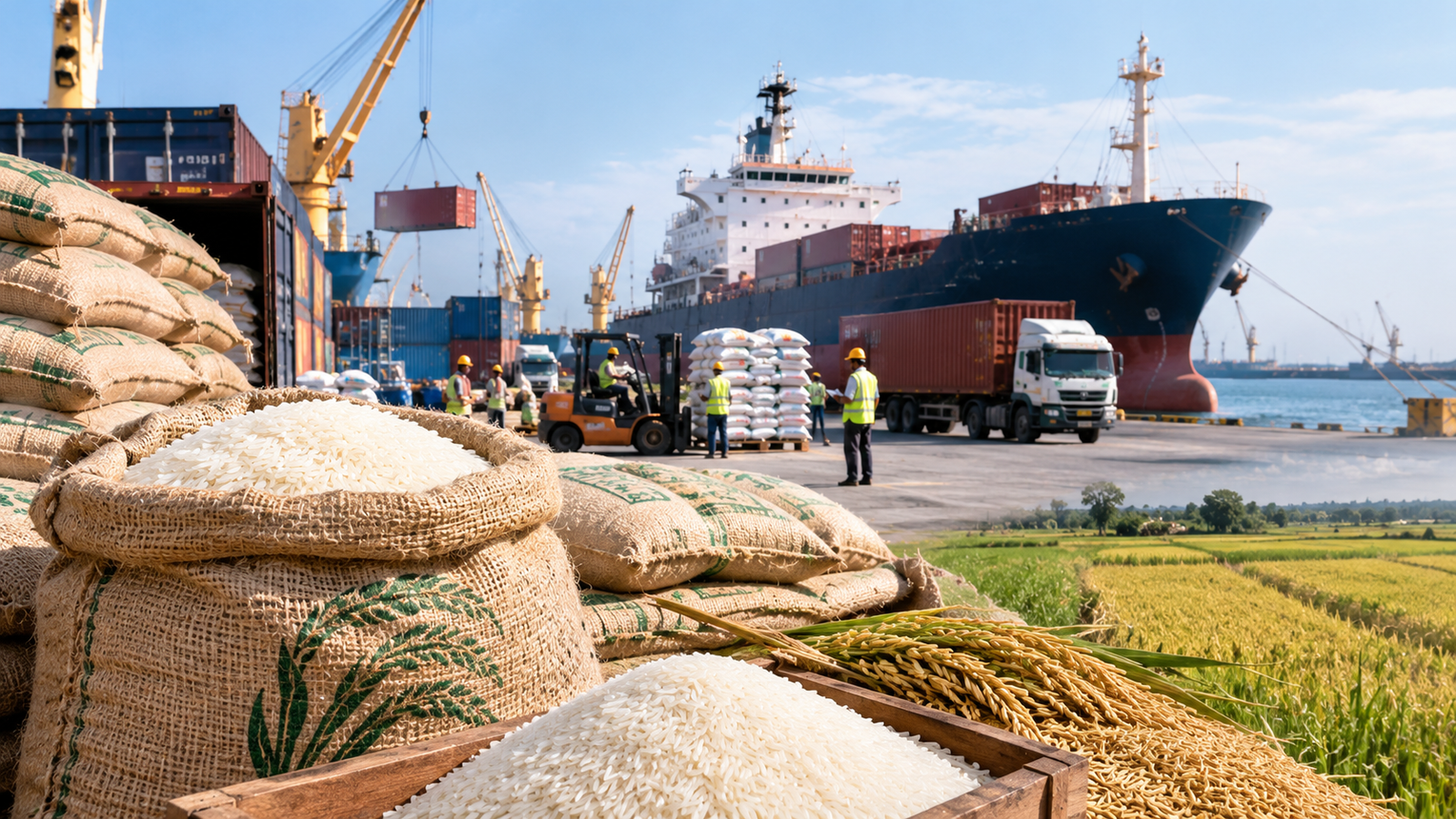
The economy benefited from industrial production and strong foreign demand for Chinese products. China remains a major supplier of machinery, electronics, vehicles, solar equipment and many other goods used by consumers and businesses around the world.
Exports help manufacturers keep factories operating even when domestic households are spending cautiously. Strong demand for products linked to advanced technology and artificial intelligence has also supported parts of the manufacturing sector, according to international reporting.
However, an export-led recovery brings its own risks. If major trading partners raise barriers or global demand slows, factories could face weaker orders. A balanced recovery would ideally include stronger domestic consumer spending as well.
Why Are Exports So Important?
China sells a vast range of goods to overseas buyers, including household products and advanced industrial equipment. Money earned from these sales supports production, jobs and investment across supply chains.
Associated Press reported that China’s goods trade surplus reached about $938 billion through September 2026, reflecting the large difference between its exports and imports. That number describes a trade balance, not the amount of cash held by the government or the country’s total economic output.
A large surplus can strengthen exporters but also increase tension with other economies. Governments in Europe and elsewhere have raised concerns that inexpensive Chinese products make it harder for some domestic businesses to compete.
Industrial Production Shows Greater Strength
China’s industrial output increased by 5.5% in September from a year earlier. This indicator tracks production by factories, mines and utilities and provides another view of economic activity beyond headline GDP.
Production has been supported by manufacturing investment, technical upgrades and demand for selected products in global markets. The result suggests that businesses in some industrial sectors have remained active despite uncertainty elsewhere in the economy.
But production growth alone cannot guarantee stronger profits for every company. When competition pushes prices down or factories produce more than buyers need, businesses may face pressure even as output increases.
What Is Happening to Consumer Spending?
Retail sales grew only 1.1% year-on-year in September, a much weaker pace than factory output. The gap indicates that households have remained careful about spending, even as the export sector has provided support to growth.
Families may save more when they are worried about employment, housing wealth or future income. Government support for certain purchases can help, but long-term consumer confidence depends on a broader range of conditions.
For international businesses selling products into China, the retail figure is important. A large economy can grow overall while customers in some categories remain hesitant to buy.
China’s Property Sector Remains Under Pressure
Real estate continues to be one of the major weaknesses in China’s economic outlook. Property investment fell by around 20.6% in the reported data, while developers and households continued to face uncertainty about the market.
The sector matters because construction creates demand for materials, furniture, equipment and financial services. Falling activity can affect businesses far beyond homebuilders and may also influence household confidence.
Authorities have introduced measures intended to support housing demand, but the October figures do not show that the downturn is over. A single stronger GDP quarter cannot erase a prolonged property adjustment.
What Happened to Overall Investment?
China’s fixed-asset investment declined by 7.2% in the first nine months of 2026, according to the latest statistical release reported by international media. This measure includes spending on buildings, machinery and other long-term physical assets.
Weak property investment was a major factor, although investment conditions differ across industries. Some areas related to advanced technology and infrastructure continue to receive government attention.
The mixed picture explains why policymakers are trying to balance support for high-tech industries with measures to improve household demand and confidence.
China’s Growth Target for 2026
Beijing has set an annual economic growth target of around 4.5% to 5.0%. Growth of 4.6% for January–September leaves the country within that range after the first three quarters.
That does not mean the full-year target is guaranteed. The final quarter will still matter, and risks from global trade disputes, investment weakness and consumer demand remain.
Economists quoted by Reuters expect growth to stay relatively moderate compared with some earlier years. Policy support may continue, but the effectiveness of future measures depends on businesses and consumers responding.
How Does the Data Compare With Earlier Quarters?
China’s first-quarter GDP grew 5.0% year-on-year, followed by 4.3% in the second quarter and 4.5% in the third. That pattern shows a slowdown after the year’s start, followed by a modest improvement in July–September.
The most accurate description is that growth accelerated from the previous quarter but remained below the first-quarter pace. Calling the latest result either a full recovery or a collapse would leave out important context.
Changes in exports, investment and consumer spending will help explain whether the improvement can continue.
What Does This Mean for the Global Economy?
China is a major trading partner for countries across Asia, Europe, Africa and the Americas. Its demand influences the markets for commodities, machinery, consumer goods and transport services.
Strong manufacturing can increase the supply of equipment and finished products, potentially helping buyers access more options. At the same time, weak domestic demand may reduce opportunities for businesses hoping to sell into China.
Changes in Chinese industrial activity also matter to commodity exporters, including countries supplying metals, fuel and industrial raw materials. But the relationship is not automatic, because global prices depend on many producers and buyers.
What Does China GDP Growth 2026 Mean for Pakistan?
China is important to Pakistan through bilateral trade, investment and infrastructure cooperation, including projects associated with the China–Pakistan Economic Corridor. Developments in China’s industrial sector therefore deserve attention from Pakistani businesses.
Stronger Chinese manufacturing may affect the availability and pricing of machinery, electronic components and other imported products. Pakistani exporters may also watch whether China’s consumers and businesses increase their purchases of foreign goods.
However, the 4.5% GDP result does not by itself prove that new investment in Pakistan has been approved or that CPEC projects will speed up. Those claims would need separate official announcements and project evidence.
Could the Numbers Affect Global Stock Markets?
Economic data can affect market expectations, but stock prices also respond to company earnings, interest rates and political developments. Reuters reported that Asian shares traded unevenly on October 19 despite China’s better-than-expected GDP result.
Investors were also watching technology-sector spending and the financial returns from large AI projects. This shows why one positive economic release does not guarantee an immediate rise in all stock markets.
Readers should avoid treating the GDP figure as an instruction to buy or sell Chinese shares, Pakistani shares or any other investment.
What Are the Main Risks Ahead?
The biggest risks include continued weakness in property investment, cautious consumer spending and possible changes in foreign demand. Trade restrictions could also make it harder for exporters to maintain strong growth.
Policymakers must decide how to support activity without creating additional financial imbalances. Stimulus measures can help, but the long-term goal is an economy that grows through a wider mix of household demand, services, investment and exports.
The October release provides evidence of resilience, not certainty about the months ahead. Updated official data will be important in assessing the final quarter.
Why This Story Matters to Businesses
For companies trading with China, the report offers two useful signals. Export-oriented Chinese manufacturers remain relatively strong, but consumer-facing businesses inside China may still find demand weak.
Importers can monitor product supply, currency movements and shipping costs, while exporters should pay attention to customer demand and competition. Businesses should assess their own industry rather than assume that one national GDP figure predicts every market.
The contrast between factories and households is the most important practical takeaway from the latest results.
Conclusion
China’s economy grew 4.5% in the third quarter of 2026, exceeding the 4.4% Reuters poll forecast and improving from 4.3% in the second quarter. Industrial production and exports supported growth, helping the economy remain within reach of the government’s annual target.
However, retail spending remained weak and the property downturn continued to weigh on investment. For businesses in Pakistan and around the world, the latest figures show a large economy that is still expanding but faces important domestic imbalances.
The final months of 2026 will show whether export strength can be matched by a more sustained improvement in consumer confidence and investment.
Frequently Asked Questions
What was China’s GDP growth in Q3 2026?
China’s GDP grew by 4.5% year-on-year in the July–September quarter of 2026.
Did China’s growth beat expectations?
Yes. The result was above the 4.4% forecast in a Reuters survey.
How much did China’s economy grow in the first nine months of 2026?
China reported growth of 4.6% for January–September 2026.
Why did China’s economy grow faster?
Strong exports, industrial production and manufacturing helped offset weakness in consumer spending and property investment.
Is China’s property crisis over?
No. Property investment continued to decline sharply in the latest data.
What happened to retail sales in September?
Retail sales grew 1.1% year-on-year, indicating relatively weak consumer demand.
Could China’s growth affect Pakistan?
Yes, through trade and investment conditions, although the GDP report alone does not confirm specific new Pakistan projects.
What is China’s annual growth target for 2026?
The official target is approximately 4.5% to 5.0%.
About The Author