RAWALPINDI, October 19, 2026 – Pakistan opened the ODI tri-series with a 37-run win against Sri Lanka after Salman Ali Agha scored 107 from 90 balls at the Rawalpindi Cricket Stadium on Sunday, October 18. Pakistan posted 305 all out in 49.5 overs before bowling Sri Lanka out for 268 in 48.1 overs. The hosts survived a serious challenge during the chase before their fast bowlers closed out the match.
The Pakistan vs Sri Lanka ODI 2026 result was confirmed in Dawn’s October 19 match report and scorecard. Salman was named Player of the Match, while Pakistan captain Shaheen Shah Afridi claimed three wickets. Sri Lanka had a realistic chance of winning after a strong middle-order partnership, making Pakistan’s late recovery especially important.
Pakistan vs Sri Lanka ODI 2026: Match Summary
Match: Pakistan vs Sri Lanka, opening ODI of the Pakistan–Sri Lanka–England tri-series. Date: October 18, 2026. Venue: Rawalpindi Cricket Stadium. Pakistan: 305 all out in 49.5 overs. Sri Lanka: 268 all out in 48.1 overs. Result: Pakistan won by 37 runs. Player of the Match: Salman Ali Agha. Pakistan’s leading batter: Salman Ali Agha, 107 off 90 balls. Pakistan’s leading wicket-taker: Shaheen Shah Afridi, 3 for 55. Sri Lanka’s leading batter: Pavan Rathnayake, 79. Sri Lanka’s best bowler: Eshan Malinga, 4 for 46.
How Pakistan Built a 305-Run Total
Sri Lanka chose to field, and Pakistan did not enjoy a completely smooth start. Early wickets put pressure on the batting lineup, and the hosts had to rebuild rather than attack without caution. Babar Azam made 45 and debutant Saad Baig contributed 39, helping Pakistan recover before Salman took control of the middle overs.
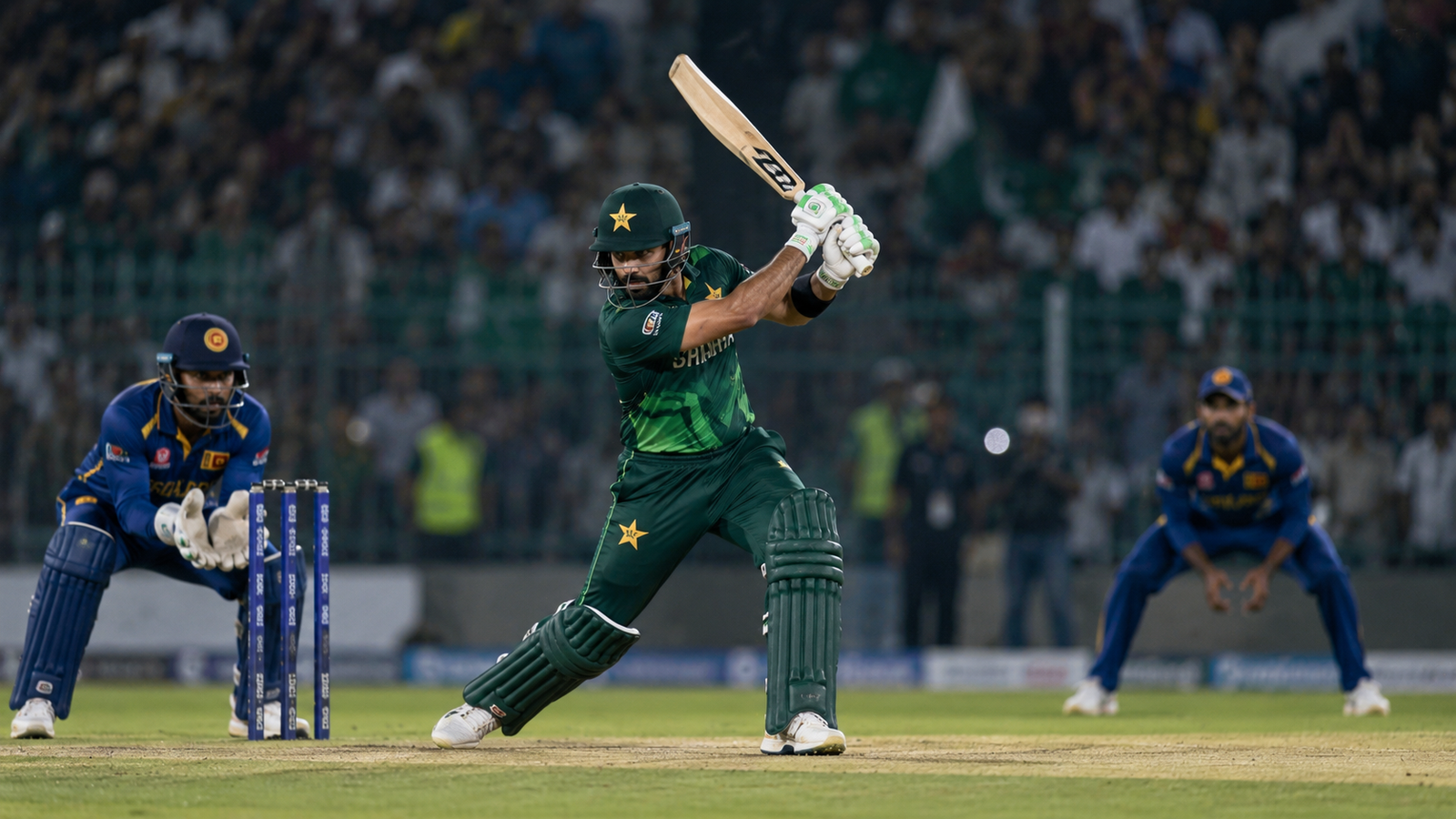
Salman combined patience with confident stroke play. He kept the scoreboard moving, punished loose deliveries and gradually increased his scoring rate. Hasan Nawaz added 37, and their 97-run stand gave Pakistan the platform for a total above 300. Salman eventually reached his century in the 45th over, finishing on 107 from 90 deliveries with ten boundaries and a six.
Sri Lanka’s bowlers still fought back near the end. Eshan Malinga returned figures of 4 for 46 and helped prevent Pakistan from producing a bigger total. The hosts were dismissed with one ball remaining in their allotted 50 overs, leaving Sri Lanka a target of 306.
Why Salman Ali Agha’s Century Mattered
Salman’s innings arrived at an important moment in his international career. Earlier reports had focused on the challenges he faced in other formats, but the century showed that he could respond with a substantial ODI performance. It was a composed innings rather than a series of reckless big hits, and it allowed Pakistan to recover from periods of pressure.
The innings is also important because ODI cricket requires a balance between scoring quickly and protecting wickets. Salman adapted as the innings developed, then accelerated when the team needed more runs. His contribution became the difference between a total that Sri Lanka might have chased comfortably and one that created enough scoreboard pressure for Pakistan’s bowlers.
What Happened During Sri Lanka’s Run Chase?
Sri Lanka lost early wickets but refused to give up the contest. Pavan Rathnayake scored 79 and Janith Liyanage made 60, with the pair adding 119 runs for the fifth wicket. Their partnership placed Pakistan under pressure and gave Sri Lanka a realistic route towards the 306-run target.
The Rawalpindi outfield became slick as dew settled, which made bowling and fielding more difficult. According to Dawn’s analysis, Pakistan’s seamers also struggled to obtain reverse swing from the older ball. With Sri Lanka building momentum, the target appeared achievable rather than distant.
Pakistan eventually broke the key partnership when Faheem Ashraf dismissed Rathnayake. Liyanage continued fighting, while Dasun Shanaka added a quick 28. Yet mistakes during the later part of the chase allowed Pakistan to regain control, and the visitors could not keep enough wickets available for the closing overs.
The Turning Point: Sri Lanka Lose Momentum
Sri Lanka needed 82 runs from the final ten overs, a difficult but manageable equation with set batters at the crease. The game changed when Liyanage and Shanaka were dismissed in quick succession. Their exits exposed the lower order and reduced Sri Lanka’s ability to keep scoring boundaries under pressure.
This sequence highlights how limited-overs matches can change rapidly. One strong partnership may put a chasing side in control, but wickets at the wrong moment can alter the entire finish. Pakistan’s victory came from combining Salman’s earlier batting contribution with crucial breakthroughs in the second innings.
Shaheen Shah Afridi Leads the Bowling Attack
Shaheen finished with three wickets for 55 runs in ten overs and led Pakistan’s attack. Naseem Shah took two for 43, Haris Rauf claimed two for 48 in 9.1 overs, and Faheem Ashraf added two for 49. The shared wicket-taking effort prevented Sri Lanka’s lower order from completing the chase.
The bowling figures also show why the match was not entirely one-sided. Sri Lanka made 268 and forced Pakistan’s pace attack to work through long partnerships. The result was positive for the hosts, but it also gave their coaches information about what needs improvement before facing stronger opposition later in the tournament.
How Did the Other Pakistani Batters Perform?
Babar Azam’s 45 and Saad Baig’s 39 provided useful contributions at an important stage. Hasan Nawaz then helped Salman rebuild the innings, making 37 as the pair shifted the momentum towards Pakistan. None of these innings matched Salman’s hundred, but they helped create the conditions in which he could play his match-winning knock.
Dawn’s full scorecard records Shaheen unbeaten on 13 towards the end of the innings. It also shows that Pakistan lost wickets in clusters, particularly during the final overs. The team will want greater consistency around its main partnerships as the series continues.
Sri Lanka’s Best Performers
Rathnayake’s 79 and Liyanage’s 60 were the main reasons Sri Lanka stayed in contention. Kamindu Mendis contributed 44, while Shanaka scored 28 as the visitors attempted to accelerate towards the target. Although these efforts were not enough, they showed that Sri Lanka had the batting resources to challenge Pakistan.
Eshan Malinga impressed with the ball, taking four wickets for 46 runs. His late breakthroughs stopped Pakistan from fully exploiting its position after Salman’s century. Sri Lanka will be disappointed by the result, but the match provided positives as well as areas that need urgent attention.
Why the Tri-Series Matters
The tournament includes Pakistan, Sri Lanka and England, with matches taking place in Rawalpindi and Lahore. It is an opportunity for all three sides to test combinations in the 50-over format before major international assignments. Pakistan’s captain Shaheen Shah Afridi said before the series that his team wanted to use the competition to build a stronger ODI unit.
The opening win gives Pakistan early momentum, but one result does not secure a place in the final. The teams have further scheduled matches before the two leading sides advance to the title contest. Consistency with the bat and ball will remain important as the level of competition increases.
What Does the Result Mean for Pakistan’s Fans?
For supporters, the victory offered an entertaining start to a home ODI tournament. A century from Salman, a Sri Lankan fightback and a decisive closing bowling spell provided the type of contest that holds attention until the final overs. It also offered a chance to see players competing for places in Pakistan’s future ODI plans.
The result should nevertheless be assessed alongside the performance. Pakistan allowed Sri Lanka to develop a major partnership, and the visitors were still within reach late in their innings. The coaching staff will be encouraged by the win while also looking for better control of the middle overs.
What’s Next for Pakistan?
Pakistan’s next assignments in the tri-series will require the side to maintain its batting depth and keep producing wickets during important stages of the chase. England are also part of the competition, offering another major challenge. Supporters should use official Pakistan Cricket Board and tournament schedules for confirmed upcoming fixtures and changes.
Salman will look to build on his century, while the pace attack will aim to improve its control under difficult conditions. The next matches will show whether Pakistan can turn an opening victory into a sustained run of strong ODI performances.
Conclusion
Pakistan defeated Sri Lanka by 37 runs in the ODI tri-series opener at Rawalpindi on October 18, 2026. Salman Ali Agha’s 107 laid the foundation for a total of 305, and Shaheen Shah Afridi’s three wickets helped secure the victory after Sri Lanka threatened to chase the target.
The result gives Pakistan a strong start, although Sri Lanka’s 119-run partnership and competitive chase showed how closely matched the sides could be. For now, Salman’s century and Pakistan’s late bowling response are the defining stories of the opening ODI.
Frequently Asked Questions
Who won Pakistan vs Sri Lanka ODI 2026?
Pakistan won the October 18, 2026 match by 37 runs at Rawalpindi.
How many runs did Salman Ali Agha score?
Salman scored 107 runs from 90 balls and was named Player of the Match.
What was Pakistan’s final score?
Pakistan were all out for 305 in 49.5 overs.
What was Sri Lanka’s final score?
Sri Lanka were dismissed for 268 in 48.1 overs.
Who took the most wickets for Pakistan?
Shaheen Shah Afridi took three wickets for 55 runs.
Who scored the most runs for Sri Lanka?
Pavan Rathnayake made 79 runs, while Janith Liyanage added 60.
Where was the match played?
The ODI was played at Rawalpindi Cricket Stadium in Pakistan.
Which teams are playing in the ODI tri-series?
Pakistan, Sri Lanka and England are participating in the tournament.
About The Author