Opening
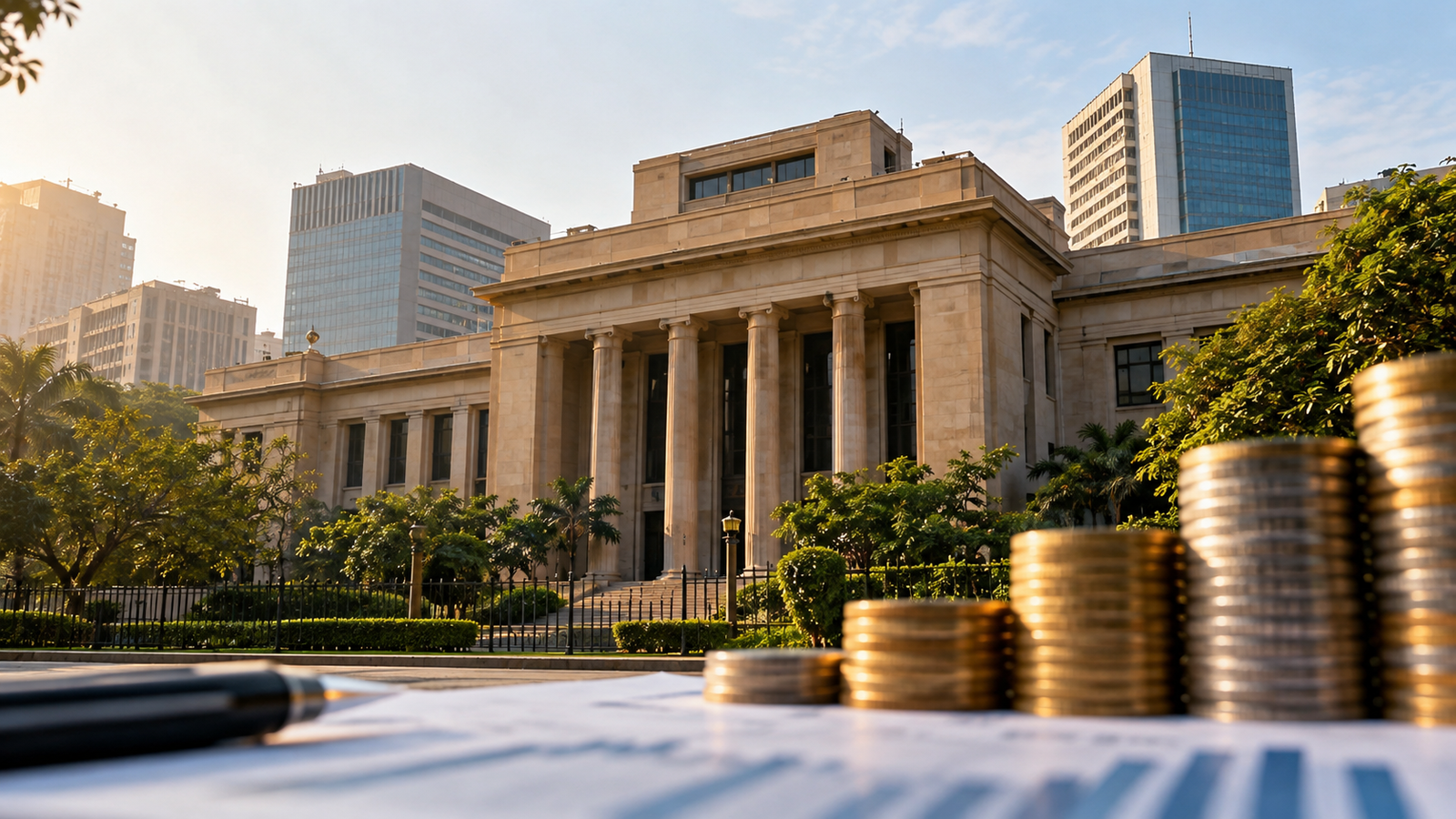
Pakistan interest rate 2026 has risen to 12% after the State Bank of Pakistan (SBP) announced a 50-basis-point increase on October 26, effective October 27. The central bank said elevated energy prices and deteriorating inflation risks required a tighter monetary-policy stance, even as policymakers continue to balance price stability with the need for sustainable economic growth.
What Did the State Bank of Pakistan Announce?
The SBP increased its benchmark policy rate from 11.5% to 12%. The Monetary Policy Committee made the decision on October 26, 2026, and the revised rate took effect the following day. Nine of the committee’s ten members supported the increase, according to reports on the official policy statement. The bank’s separate operational circular confirms the new target rate and the associated interest-rate corridor. A 50-basis-point increase means half of one percentage point; it does not mean that borrowers’ existing loan rates automatically rise by an identical amount.
Pakistan Interest Rate 2026: Key Facts
Decision date: October 26, 2026.
Effective date: October 27, 2026.
Previous policy rate: 11.50%.
New policy rate: 12.00%.
Change: 50 basis points (0.50 percentage point).
Overnight reverse repo ceiling: 13.00%.
Overnight repo floor: 11.00%.
SBP’s medium-term inflation objective cited in coverage: 5–7%.
Why Did the SBP Raise Rates?
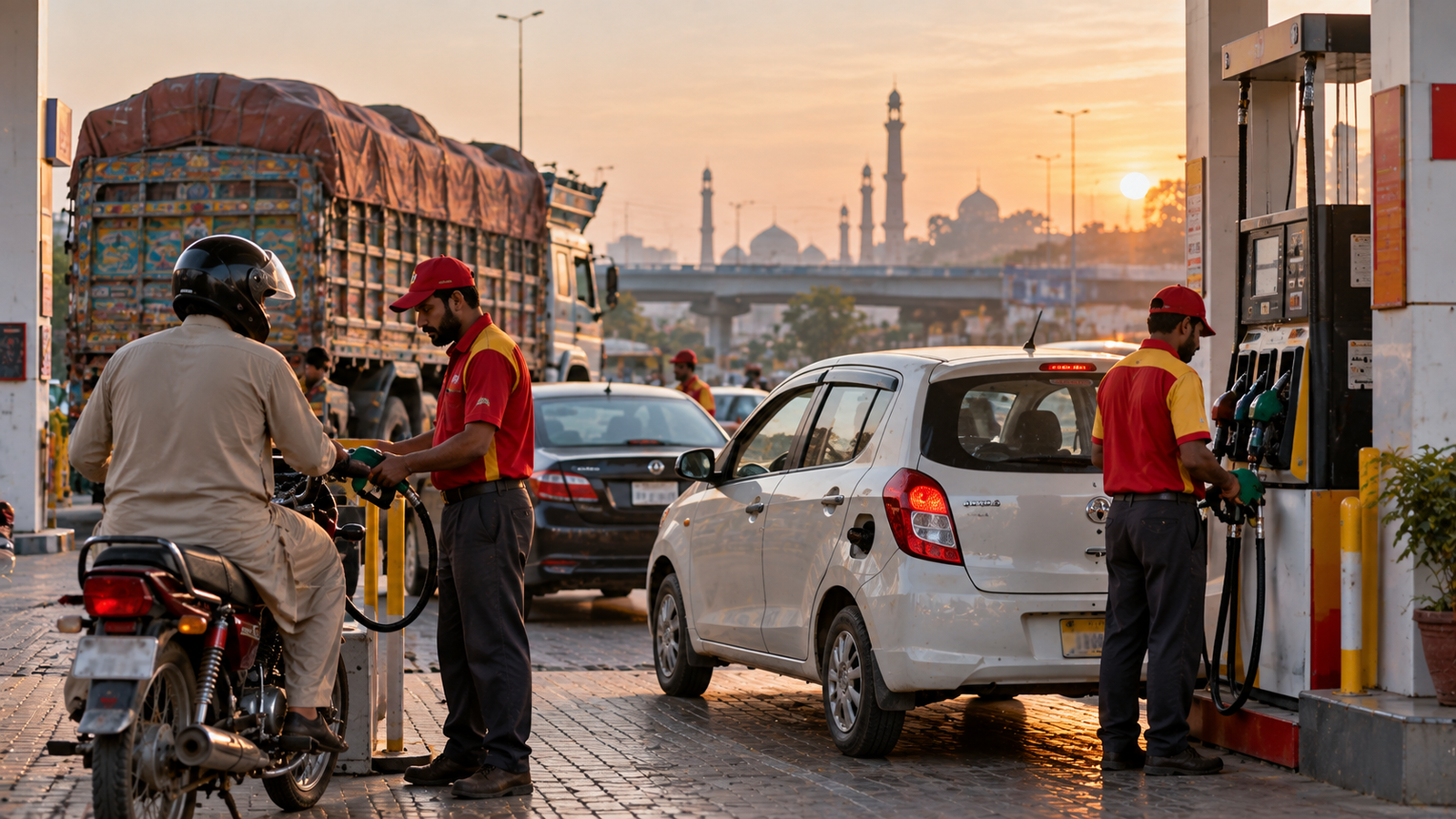
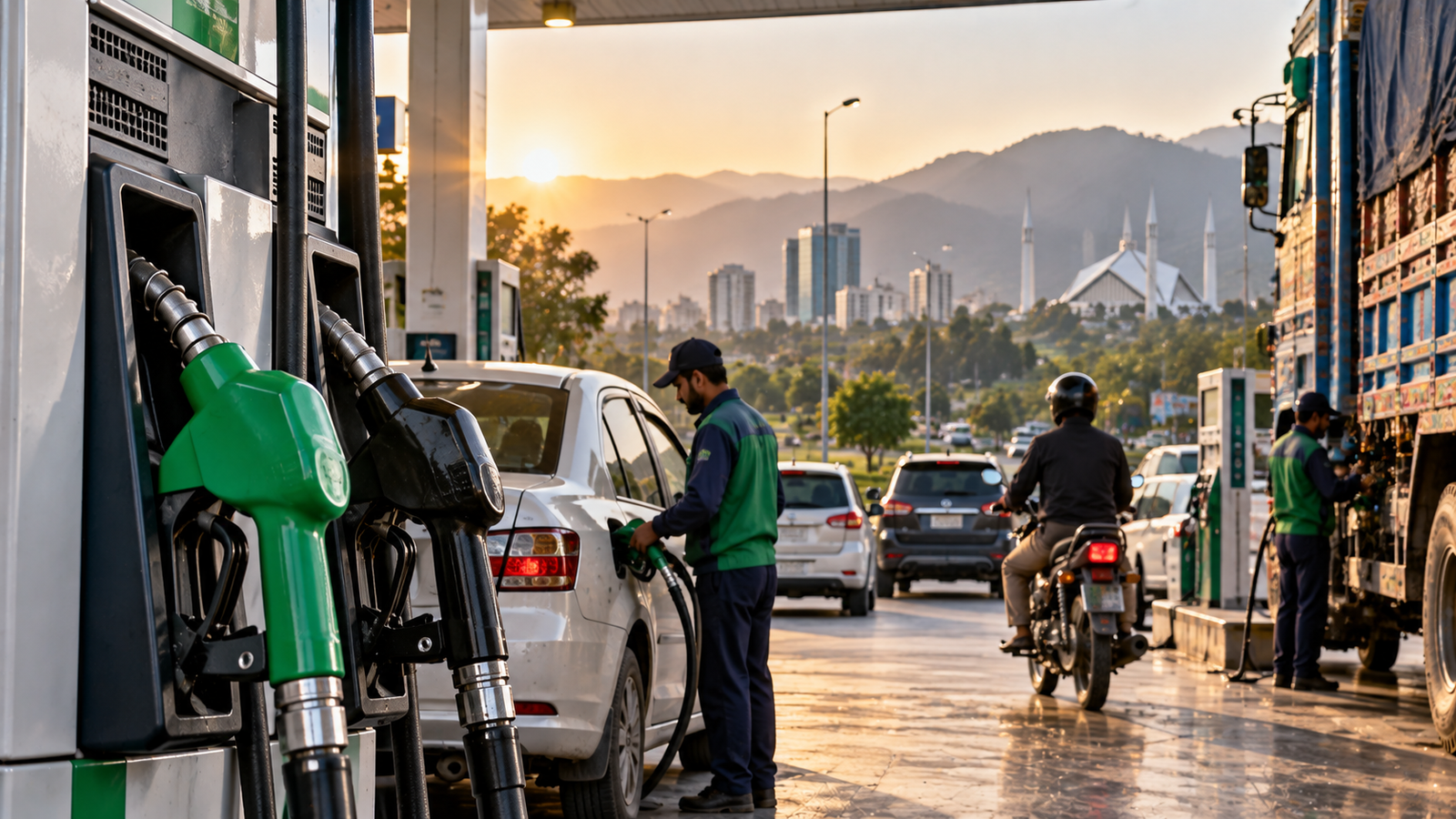
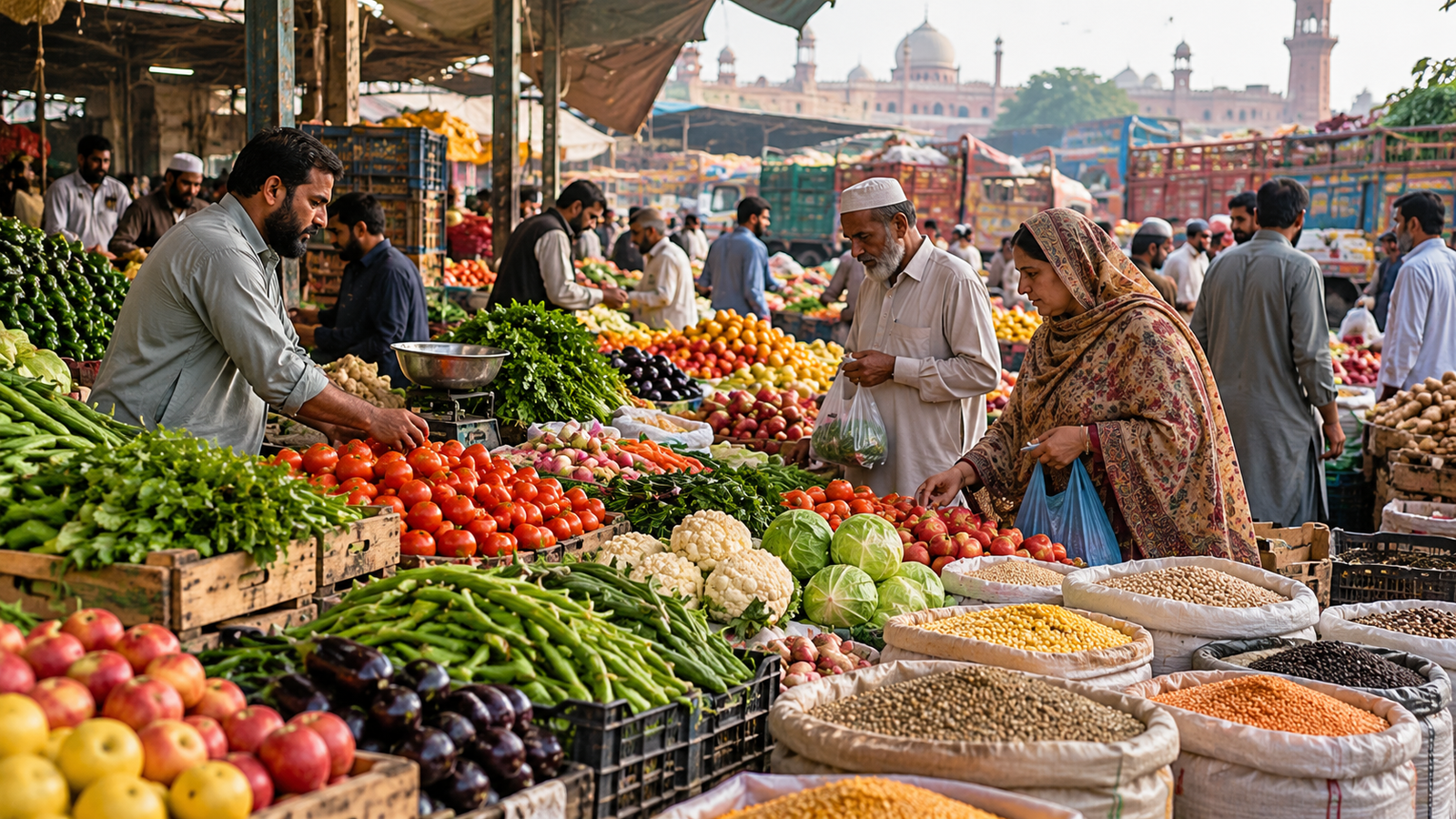
The central bank’s principal concern is that an adverse external supply shock could keep prices rising for longer than previously expected. Tensions and conflict in the Middle East have disrupted the energy outlook and contributed to persistently high fuel costs. Pakistan depends on imported energy, so international price increases can raise domestic transportation, electricity, distribution and production expenses. Policymakers also identified domestic wheat-supply frictions as a source of food-price pressure. These pressures can spill into wider prices if households and businesses come to expect continuing inflation.
Inflation Already Exceeded the Target Range
September 2026 headline inflation was reported at about 10.3% year on year, down from roughly 11% in August but still above the 5–7% medium-term target cited by the MPC. A lower monthly inflation reading does not necessarily mean consumer prices are falling: a positive year-on-year inflation rate means the overall price level is still higher than it was a year earlier. In the policy discussion, that distinction matters because the central bank is trying to limit the persistence of inflation rather than reverse every earlier price increase.
Why a Supply Shock Creates a Difficult Choice
Increasing borrowing costs can help curb credit-driven demand and keep inflation expectations anchored. It cannot directly create additional wheat supplies or reopen disrupted energy routes. That is why an interest-rate increase is only one part of the response. Stable public finances, functioning supply chains and improvements in energy efficiency can also influence the inflation outlook. The bank is effectively choosing to guard against a temporary shock becoming broader and more persistent.
How Does a 12% Policy Rate Affect Business Loans?
Commercial borrowing rates are influenced by the central bank’s benchmark, money-market conditions, bank funding costs, customer risk and individual loan contracts. Businesses with floating-rate financing may face higher interest expenses when their pricing resets. Firms seeking new working-capital facilities could encounter more expensive credit, although the exact rate and timing vary. For manufacturers and retailers, the impact may be most visible when financing inventory, machinery, imports or seasonal operations.
Impact on Small and Medium Enterprises
Small and medium enterprises often have tighter cash buffers than larger firms. A rise in financing costs can therefore reduce room for hiring, expansion or additional stock. However, the impact will differ by company: a debt-free business may experience little direct interest expense, while an exporter with foreign-currency earnings or a firm with a fixed-rate loan can have a different exposure. Managers should review the repricing dates, repayment schedules and financing terms of their own arrangements rather than assume a uniform increase.
What Could This Mean for Households?
For borrowers, new or variable-rate personal, vehicle and housing finance may become more costly, depending on the contract and how banks transmit policy changes. Existing fixed-rate loans may not change immediately. For savers, higher benchmark rates can potentially support deposit returns, although banks determine deposit pricing and the benefit depends on inflation and taxes. Consumers may also experience indirect effects if businesses pass increased finance costs into product and service prices. These channels unfold over time and cannot be attributed solely to one policy meeting.
Impact on Inflation, the Rupee and Investors
Higher interest rates can cool borrowing and spending, potentially supporting price stability. They may also increase the attractiveness of some rupee-denominated returns relative to other assets, but exchange rates depend on many influences beyond monetary policy, including trade, remittances, external financing and global risk. Stock-market sectors do not respond uniformly. Companies with substantial floating-rate debt may face greater pressure, while financial institutions’ earnings depend on their balance-sheet structures and deposit costs. No particular future market movement is guaranteed by the rate change.
The Wider Economic Context
The interest-rate decision arrives at a time when Pakistan is managing global energy volatility and domestic cost pressures while working to preserve macroeconomic stability. Reporting on the MPC statement describes foreign-exchange reserves of around $21.5 billion and a fiscal-year growth outlook of approximately 3.5–4.5%. These indicators should be considered alongside the country’s exposure to import prices, supply disruptions, fiscal conditions and implementation of economic reforms. One policy-rate decision is not a complete measure of economic health.
Why This Matters Beyond Pakistan
An energy shock originating in the Middle East can affect fuel-importing economies across South Asia. Changes in global commodity prices and decisions by major central banks also influence capital flows and borrowing costs. Pakistan’s latest move illustrates how a developing economy may tighten financial conditions when imported inflation threatens its domestic price-stability goals. Comparisons with other countries require care: different inflation rates, exchange-rate arrangements and fiscal positions can lead to different policy choices.
What Happens Next?
Readers should monitor coming inflation releases, global oil prices, SBP communications and any changes in business borrowing conditions. The SBP’s published calendar lists December 14, 2026, as the next scheduled MPC meeting after October 26. The future policy stance is not predetermined: additional moves would depend on incoming data and the committee’s assessment at the time. Consumers and companies should use their bank’s current product terms for financial decisions, not the policy rate as a substitute for a quoted loan or deposit rate.
Conclusion
The increase in Pakistan’s policy rate to 12% is a verified response to a worsened inflation outlook, rather than a prediction that prices will immediately decline. The move may help prevent broader inflationary pressures, but it also increases potential financing costs for borrowers. Its eventual success will depend on incoming inflation data, energy-market developments, wider economic policy and how quickly monetary conditions are transmitted through the banking system.
Frequently Asked Questions
What is Pakistan’s policy interest rate on October 27, 2026?
The State Bank of Pakistan’s policy rate is 12%, effective October 27, 2026.
How much did the SBP increase the interest rate?
The central bank raised it by 50 basis points, equal to 0.50 percentage point, from 11.5% to 12%.
When was the 12% interest-rate decision announced?
The decision was announced on October 26, 2026, with the change taking effect the next day.
Why did the State Bank raise the policy rate?
It cited a worsened inflation outlook, including elevated global energy prices and other supply pressures.
Does a 12% policy rate mean every loan costs 12%?
No. Banks set customer loan rates using additional factors such as risk, funding costs, contract terms and market benchmarks.
Will existing loan payments automatically rise?
Not necessarily. Fixed-rate and floating-rate contracts can respond differently. Borrowers should review their repayment terms.
Will the interest-rate hike immediately lower food and petrol prices?
No. Monetary policy can influence demand and expectations, but it cannot directly resolve supply shortages or global oil-price disruptions.
When is the next scheduled SBP monetary policy meeting?
The official SBP calendar lists December 14, 2026, as the next scheduled meeting, subject to any later change.
About The Author