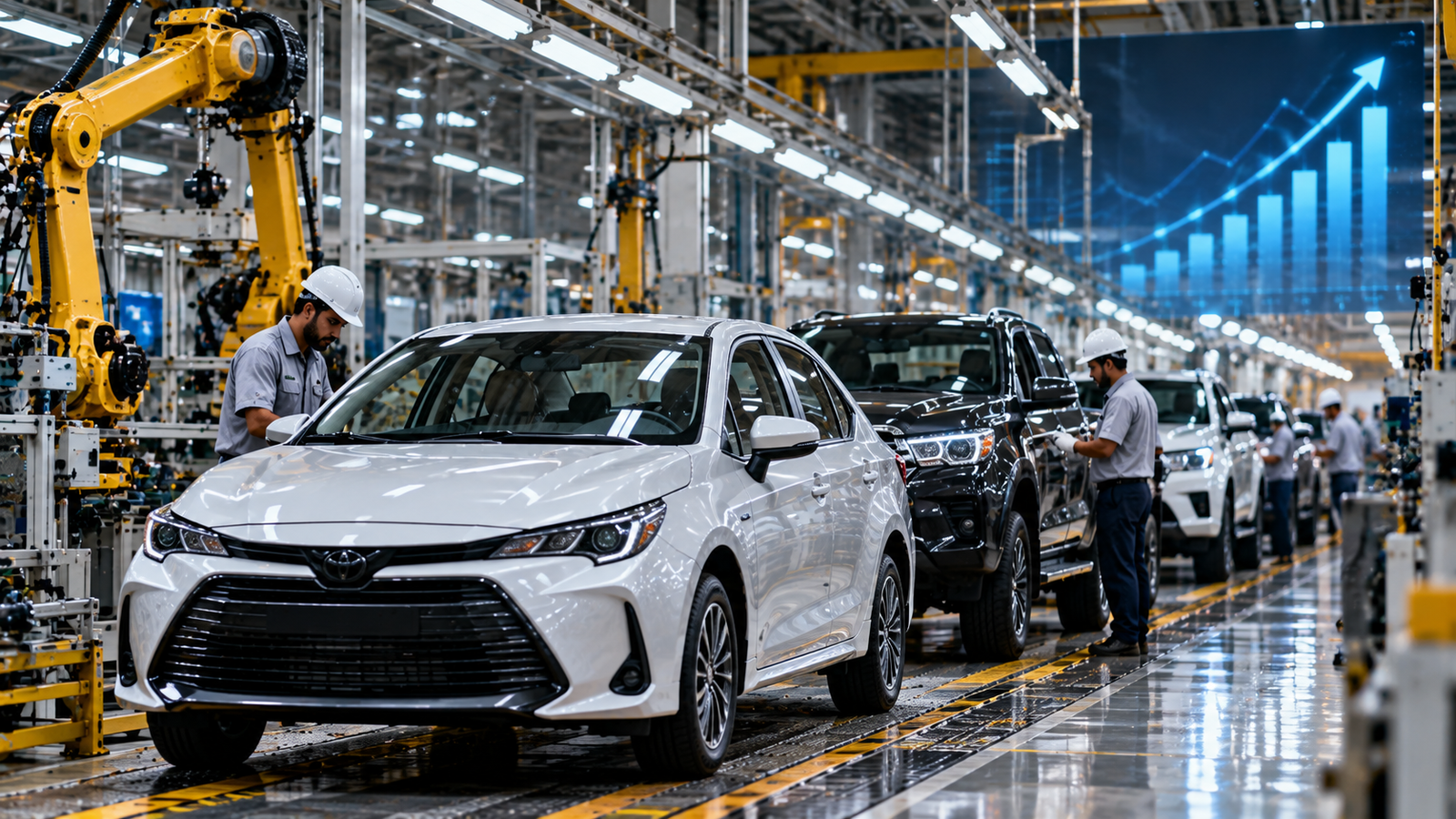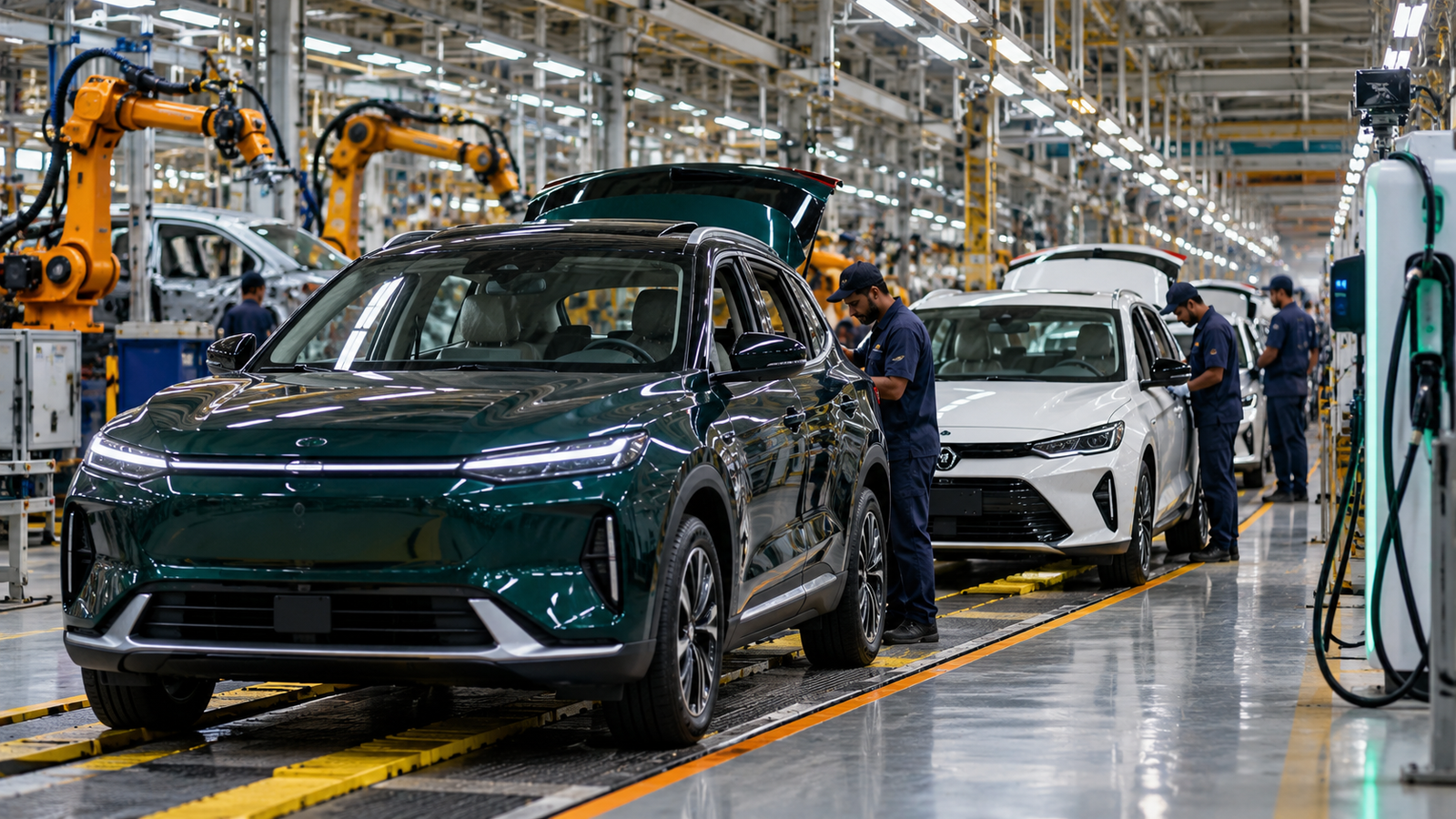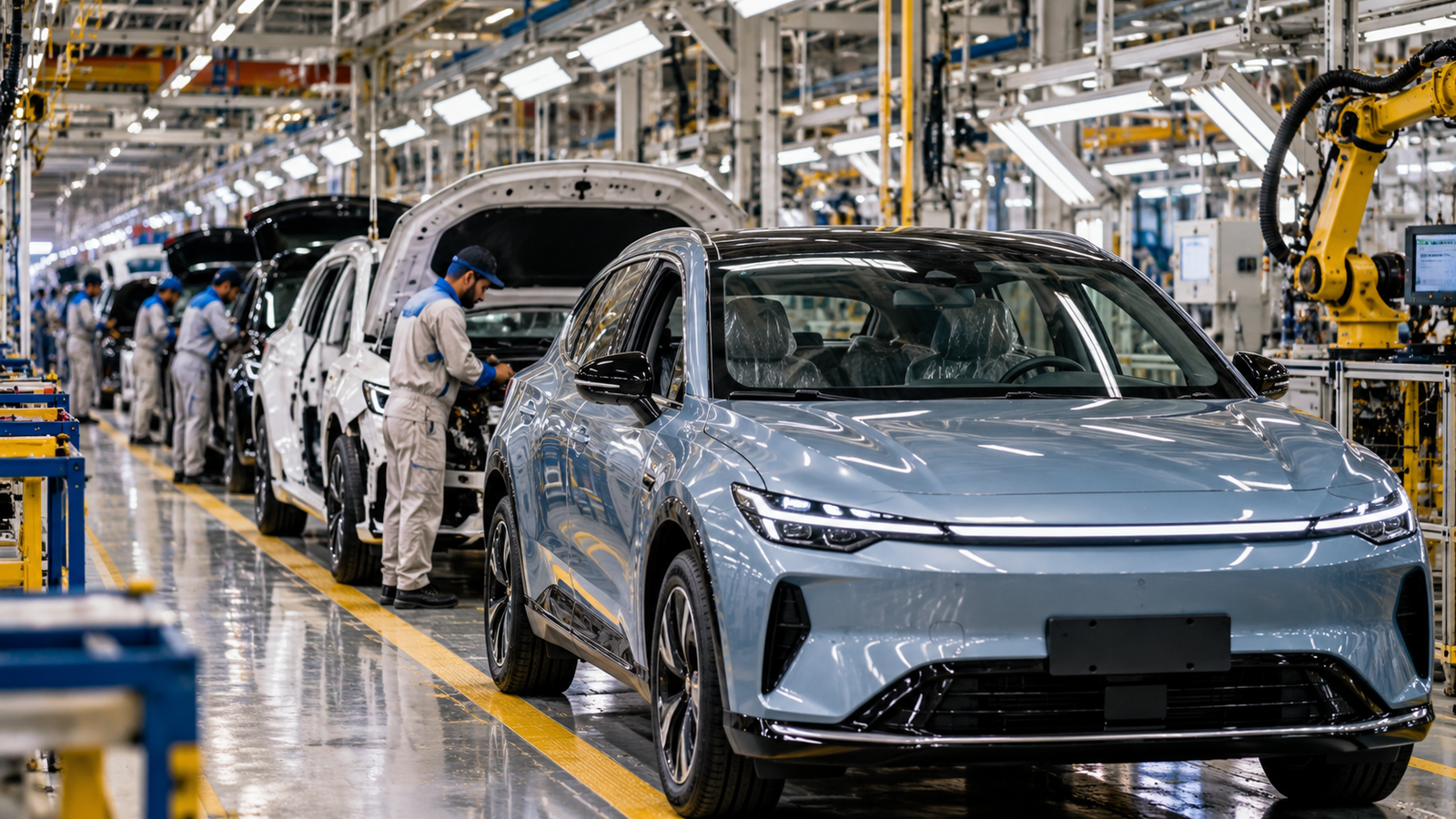
Pakistan’s government has moved forward with a draft five-year automotive policy aimed at increasing vehicle exports, encouraging electric mobility and making the domestic industry more competitive. Reporting on October 21, 2026, said Prime Minister Shehbaz Sharif had approved the draft Auto Policy 2026–31 for further consideration, with measures including lower import tariffs, differentiated electric-vehicle sales taxes and export-linked incentives for manufacturers. The document sets an ambitious overall export target of about $6 billion over five years.
Importantly, this is still a draft requiring additional approvals and, for tax changes, the relevant legislative process. It would be inaccurate to claim all the proposed rates are already in force. For car buyers, assembly companies and parts manufacturers, the immediate question is what the plan contains, when changes could take effect, and how its competing objectives of affordability, local production and trade liberalisation might be reconciled.
What Has Been Approved and What Is Still Pending?
Dawn reported on October 21 that the prime minister had approved the policy draft presented by Law Minister Azam Nazeer Tarar and Adviser on Industries and Production Haroon Akhtar. The draft would next go through the federal cabinet and parliamentary process. The Express Tribune reported that IMF review was also anticipated before cabinet endorsement, followed by legislation to give effect to tax changes. These descriptions differ slightly in sequencing but agree on the central point: prime-ministerial approval of a draft is not final implementation.
Some headlines have shortened this process to ‘Pakistan approves auto policy,’ which can mislead readers into thinking every proposal is operative. Consumers should wait for an official notification or enacted tax change before assuming showroom prices or financing rules have changed. Companies likewise need the final approved text to plan long-term investments.
Pakistan’s $6 Billion Automotive Export Ambition
The draft aims for approximately $6.01 billion in combined exports of vehicles and auto parts during the five-year policy period. Dawn reported proposed annual milestones of $256.6 million in 2026–27, $671.8 million in 2027–28, $1.11 billion in 2028–29, $1.17 billion in 2029–30 and $2.19 billion in 2030–31. These figures are projected targets, not money that manufacturers have already earned.
The ambition is to shift a historically domestic-oriented industry toward production that can meet international demand and specifications. Export capacity depends on quality standards, scale, exchange-rate conditions, logistics, competitiveness and market access. A target alone cannot guarantee success, which is why implementation and independently documented results will matter more than the headline figure.
Proposed Electric Vehicle Sales Tax Rates
The current version of the reported draft would apply different sales-tax rates to three categories of electrified vehicles. Battery electric vehicles, or BEVs, would attract a proposed 1% rate for 2026–31. Range-extended electric vehicles, or REEVs, would be set at 6%, while plug-in hybrid electric vehicles, or PHEVs, would be set at 9%. Multiple reports, including Dawn and PakWheels, identify these figures as provisions of the October draft.
The distinctions matter. A battery-only car relies on externally charged batteries and electric motors. A range-extender typically uses a combustion engine to generate electricity, while a plug-in hybrid can use both battery power and a combustion drivetrain. Because the designs differ, customers should not apply the 1% BEV proposal automatically to every vehicle marketed as a ‘hybrid’ or ‘new energy’ model. The rates remain subject to final approval.
What Would Change in Car Import Duties?
The draft proposes gradual cuts to customs duties on imported complete vehicles and assembly kits, with a 15% tariff benchmark envisaged by fiscal year 2030–31 for listed categories. The policy seeks to create more competition between imported and locally assembled vehicles, while encouraging local manufacturers to produce higher-quality vehicles and components.
A lower basic tariff does not necessarily mean the final retail price will fall by the same percentage. Other duties, taxes, exchange rates, freight charges and dealer margins affect the price buyers actually pay. Equally, an intended 2030–31 duty level should not be presented as the rate already charged on October 21, 2026. Importers and buyers need the applicable customs schedule at the time of purchase.
Could Electric Vehicles Become More Affordable?
The draft includes measures intended to make EV purchases easier for a wider group of consumers. Dawn reported proposals to raise the vehicle-financing ceiling from Rs3 million to Rs10 million and extend the maximum repayment period from three to five years. There are also proposed lower tariffs for smaller electric vehicles priced under $15,000.
These changes could widen purchasing options if formally implemented and offered by lenders. Yet actual affordability also depends on financing eligibility, interest or profit rates, down payments, currency movements and insurance. The policy does not itself guarantee a cheaper loan or a particular showroom price. Consumers should compare final bank terms and official taxation once the policy passes the necessary approvals.
What About Expensive Electric Cars and Conventional Vehicles?
Under the reported draft, a 10% federal excise duty is proposed on electric vehicles valued above $75,000. It also describes an Automotive Development Levy affecting specified conventional vehicles, including those with engine capacities above 1,000cc. The Express Tribune described a proposed 2% to 10% internal-combustion-engine levy to help fund the wider automotive programme.
An estimated Rs232 billion in receipts over five years has been reported for the development levy. Those are planned revenues rather than collections already received. Which models and price brackets would actually be covered will depend on the final approved legal text, vehicle classification and effective dates.
Incentives and Penalties for Automakers
The draft would connect certain industry benefits to exports. Dawn reported a proposed incentive equal to 5% of export value and an additional 10% incentive associated with exports exceeding previous-year levels. Manufacturers missing export requirements could face penalties, and persistent failure over consecutive years could put manufacturing permissions or benefits at risk under the proposed framework.
Such incentives are meant to encourage firms to enter foreign markets rather than rely entirely on domestic sales. Their effectiveness depends on whether targets are practical, whether payments are administered transparently and whether firms can secure export contracts. Business associations and economic analysts may disagree over these trade-offs; both the benefits and possible costs deserve examination.
Local Parts Manufacturing: Opportunity and Concern
Another objective is to raise the use of locally produced automotive components and improve technical capabilities. Funding for technology upgrades, testing and certification could help manufacturers compete if it reaches suppliers effectively. An export-oriented strategy may also encourage producers to adopt higher safety and quality standards.
However, Pakistan Association of Automotive Parts and Accessories Manufacturers chairman Abdul Rehman Aizaz criticised lower import tariffs, warning that cheaper imported parts could undermine local suppliers and weaken domestic manufacturing. These concerns are an attributed industry position, not proof that the predicted outcome will occur. Supporters of lower tariffs argue that greater competition can reduce costs and push firms toward better productivity. The results will depend on policy design, transition arrangements and actual investment.
Will the Draft Create New Jobs?
The policy’s emphasis on domestic manufacturing, exports and supplier upgrades could support skilled employment if companies expand and become internationally competitive. Parts factories, engineering firms, logistics providers and vehicle assemblers may benefit from new business where investment materialises. Conversely, some suppliers worry that faster import liberalisation could put existing jobs under pressure.
No specific number of new jobs should be promised solely on the basis of the draft. Employment effects are not automatic; they depend on manufacturers’ decisions, order books, technology adoption and broader economic conditions. A balanced assessment must consider both the potential expansion of export-oriented work and the adjustment challenges for established local suppliers.
Vehicle Safety and Testing Reforms
The reported draft envisages a Pakistan Automotive Testing Institute and stronger systems for product certification, research, third-party audits and quality assurance. Modern vehicle production increasingly requires compliance with formal safety standards, emissions rules and increasingly sophisticated electronics requirements. A local testing framework could help companies demonstrate compliance to buyers and overseas markets.
Establishing an institute is only one step. Its contribution would depend on independent procedures, adequate technical equipment, appropriately trained staff and consistent enforcement. The policy proposes the institution; it does not establish that the institute is already operating at full capacity.
What Does the Plan Mean for Consumers?
For potential car buyers, the most visible proposals involve EV taxation, financing limits and import duties. Those measures could affect the cost and availability of some models if they receive final approval. A more competitive market could also broaden choices, but changes to duties or supply chains can have uneven consequences for different vehicles.
Customers should not rush into or delay a purchase solely on an unimplemented draft. The final sticker price depends on manufacturers, importers, taxes, exchange rates, financing providers and available inventory. Anyone considering a vehicle should use the current official rate schedule rather than a proposed future tax table.
What Are the Government’s Stated Goals?
The policy is designed to support exports, domestic manufacturing, automotive technology upgrades and the adoption of electric vehicles while moving toward a more competitive tariff structure. Those goals are not inherently identical: lower-cost imports might help consumers but make life harder for some established suppliers. Export incentives can encourage investment but also require careful oversight of public spending.
Reporting these objectives does not require endorsing or rejecting the government’s choices. A useful newsroom account explains the measures, identifies supporters’ arguments and critics’ concerns, and keeps forecasts separate from verified outcomes. The success of the plan can only be assessed as implementation proceeds and real industrial indicators become available.
What Happens Before the New Rates Take Effect?
According to reporting on October 20–21, the draft must move through additional government and legislative stages, with reporting also identifying potential IMF and Economic Coordination Committee review. The precise sequence and timing should be confirmed from subsequent official announcements. Final cabinet endorsement and legal implementation are not interchangeable with an earlier approval of a draft.
Future updates should check official federal notifications, customs schedules, Finance Act amendments and industry ministry releases. A change in political reporting does not automatically replace the tax rates currently applied by customs or retailers. The distinction is particularly important for EV buyers reacting to the proposed 1%, 6% and 9% categories.
The Wider Future of Pakistan’s Auto Industry
Pakistan’s automotive sector sits at the intersection of industrial policy, international competition and the global shift toward electric mobility. Exporting more vehicles and components would require steady improvements in production quality, supplier sophistication, logistics and reliability. Electric vehicles also present questions about charging infrastructure, energy costs and the availability of affordable models.
The draft offers a proposed roadmap, not a guarantee. Clear final rules, credible implementation, consultation with affected manufacturers and ongoing evaluation will determine whether it advances competitiveness without causing avoidable disruption. The coming government approvals will shape which of its headline measures become binding.
Conclusion
Pakistan’s proposed Auto Policy 2026–31 sets out a five-year ambition to build a more export-oriented and competitive vehicle industry. Its reported measures include a combined export target of roughly $6 billion, gradual import-duty reductions, differentiated tax proposals for BEVs, REEVs and PHEVs, expanded EV financing and incentives tied to manufacturers’ exports.
The most important fact for readers on October 21, 2026, is that the document remains in the approval process. Prime-ministerial support for the draft should not be confused with enacted taxation or completed industrial reforms. Mukhbir will track the final government decision, published notifications and verified changes in consumer prices or factory investment.
Frequently Asked Questions
Has Pakistan’s Auto Policy 2026–31 been fully implemented?
No. The prime minister has reportedly approved the draft, but further government and legislative steps are needed before proposed provisions take legal effect.
What is the draft policy’s export target?
It aims for approximately $6.01 billion in combined vehicle and auto-parts exports over five years.
What sales tax is proposed for battery electric vehicles?
The reported draft proposes a 1% sales tax for battery electric vehicles.
What rates are proposed for range-extended EVs and plug-in hybrids?
The draft proposes 6% for range-extended EVs and 9% for plug-in hybrid EVs.
Will Pakistan reduce import duties on cars?
The proposal envisages phased cuts toward a 15% tariff benchmark by 2030–31 for specified categories, subject to approval.
What changes are proposed for EV financing?
Reports describe raising a financing ceiling from Rs3 million to Rs10 million and extending the term from three to five years.
Are auto-parts manufacturers supporting the draft?
Industry views differ. PAAPAM representatives have warned lower imported-parts tariffs could damage local suppliers.
Will new car prices fall immediately?
No immediate reduction can be assumed. The measures are proposals, and future prices depend on final rules, taxes, exchange rates and manufacturers.
About The Author