What Has Tesla Announced?
Tesla wants to start selling its Cybercab robotaxi to members of the public before the end of 2026, according to comments by vice president of vehicle engineering Lars Moravy reported by Reuters on October 22. The proposed timeline places the purpose-built autonomous vehicle at the centre of Tesla’s push into AI-enabled transportation. The statement is an intention about a future commercial milestone, not confirmation that nationwide retail deliveries have begun.
The Cybercab differs from conventional passenger vehicles. It has been presented as a two-seat vehicle without the normal driver controls found in mainstream cars. That concept creates an unusual challenge: Tesla must demonstrate how the vehicle can comply with applicable safety rules and receive any necessary permissions before widespread public deployment.
Why This Is an Important Auto Industry Story
A vehicle sold without a steering wheel or pedals would represent a substantial change from cars designed around a human driver. Most road vehicles assume a person can steer, brake, respond to emergencies and control the car when automation is unavailable. Fully automated passenger transport requires a different allocation of responsibility among manufacturers, software systems, fleet operators and regulators.
Tesla’s proposal has implications for personal mobility, ride-hailing and the automotive supply chain. Yet the market potential is only one side of the story. The cost of the vehicle, actual operating capability, geographic restrictions and legal approval will shape whether it becomes a mainstream product or remains limited to selected services.
What Is the Tesla Cybercab?
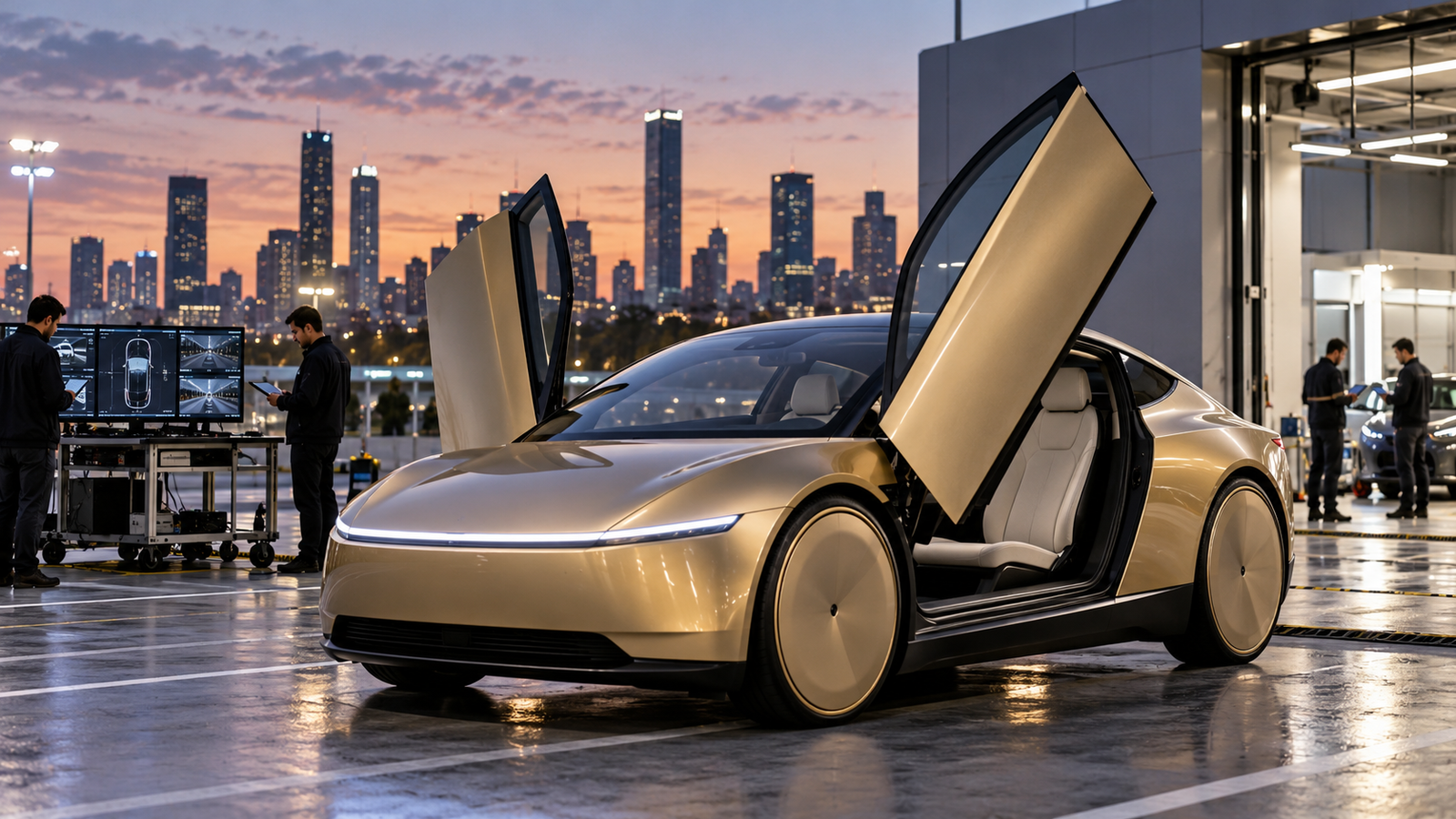
The Cybercab is Tesla’s proposed purpose-built driverless electric vehicle intended primarily for robotaxi operations. Publicly discussed versions have two passenger seats, upward-opening doors and a minimalist cabin. Crucially, the concept does not include the normal steering wheel and pedals used in traditional cars.
A futuristic vehicle design is not the same thing as a proven autonomous driving system. To function as intended, the vehicle must perceive roads, interpret changing traffic situations and manage risks without a driver taking over. The specific safety evidence and permitted operating conditions matter as much as the body design.
Is the Cybercab Already on Sale?
No completed general public sales launch was established in the Reuters report reviewed for October 22. Tesla’s engineering executive discussed an aim to sell the vehicle by year-end. That deadline is a target and may depend on regulatory outcomes, manufacturing readiness, software capability and other conditions.
People searching for a Cybercab order page, final delivery date or nationwide availability should be cautious about treating promotional discussions as firm retail commitments. This article does not invent a confirmed purchase price, preorder schedule or Pakistan dealership launch.
Why Are US Regulators Reviewing the Cybercab?
The US National Highway Traffic Safety Administration, or NHTSA, is examining regulatory questions connected to a vehicle that lacks traditional manual controls, according to Reuters. Existing federal motor vehicle safety standards were largely developed around the architecture of human-driven vehicles. Requirements involving steering controls, braking and other elements can become difficult to apply to a vehicle with a substantially different interior.
A regulatory inquiry does not automatically prove that a product is unsafe, just as a company announcement does not prove that all standards have been satisfied. The significant unresolved question is what compliance pathway and safeguards will allow sales and operation in each relevant market.
How Is a Cybercab Different From a Regular Tesla?
A conventional Tesla car includes steering and braking controls and is sold for use under rules applicable to driver-operated vehicles, even where it includes advanced driving-assistance features. The Cybercab is intended to remove the conventional driver role from ordinary operation. That distinction changes what regulators, insurers and passengers need to know about who is responsible for the driving task.
Terminology also matters. Driver assistance is not automatically equivalent to fully driverless operation. A system that still requires an attentive driver has different limitations from a vehicle meant to run with no manual controls. Public reporting should distinguish these concepts rather than placing every Tesla automation product under the same label.
What Is Happening With Tesla Robotaxi Services?
Reuters reported that Tesla had begun limited paid Cybercab rides in Austin, Texas, and planned to expand to Dallas the following month. These details concern a geographically limited service rather than permission for unrestricted operation across the United States. Future service expansion would depend on local operating rules, vehicle readiness and safety performance.
A ride-hailing trial or limited commercial operation is also different from selling vehicles directly to individual buyers. Those two milestones require separate verification. A consumer-facing sale might raise additional questions about maintenance, remote assistance and where a personally owned vehicle could legally operate.
Could Cybercab Change Ride-Hailing Economics?
A robotaxi service might reduce some operating costs if cars can provide trips without paid human drivers, but it may introduce other expenses. Sensors, computing hardware, charging, vehicle cleaning, insurance, fleet supervision and remote assistance all influence the cost per ride. The overall economics also depend on utilization: a vehicle parked for much of the day generates little service revenue.
Tesla has described autonomous transport as a major future business opportunity. Nevertheless, this article does not present speculative profitability estimates or promise cheaper fares. Comparative costs cannot be established without verified service data and a realistic account of operating expenses.
What Safety Questions Remain?
A fully driverless vehicle must deal with unusual road conditions, emergency vehicles, pedestrians, poor visibility, construction zones and unpredictable behaviour by other road users. It must also communicate its status clearly to passengers and provide a safe response when a system cannot continue normally. Those challenges are particularly important for a model that does not offer steering or braking controls to passengers.
Regulatory approval is one part of building public confidence; transparent information about safety performance is another. Crash reporting, incident reviews, software updates and operating limits will all be relevant if the Cybercab becomes more widely available. No manufacturer should be treated as having solved every possible driving scenario on the basis of a launch target alone.
Why NHTSA Rules Matter
The NHTSA administers federal vehicle safety requirements in the United States. Many of those rules assume conventional driver controls and vehicle layouts. Regulators have considered ways to adapt standards for automated vehicles while maintaining safeguards for passengers and the wider public.
Changes to a rule may eventually create new compliance options, but a proposal should not be mistaken for a rule already in force. Furthermore, federal vehicle safety requirements are not the only relevant legal consideration. State or local permissions for automated driving services can differ, so compliance for one type of operation does not necessarily establish nationwide authorization.
What Do Competitors Offer?
Companies across the automotive and technology industries are exploring autonomous ride services, advanced driver assistance and vehicle designs with increasing levels of automation. Their approaches differ on sensing technology, operational geography, safety processes and whether a backup driver is present. Competitive claims need to be judged against clearly defined conditions rather than a simple label such as ‘self-driving’.
Tesla’s distinctive approach includes the proposal to sell a vehicle designed without traditional controls. Whether that strategy proves competitive will depend on regulatory acceptance, service reliability, customer demand and actual cost. Mukhbir is not presenting any company as the established winner of the autonomous transport market.
How Could Production Scale Up?
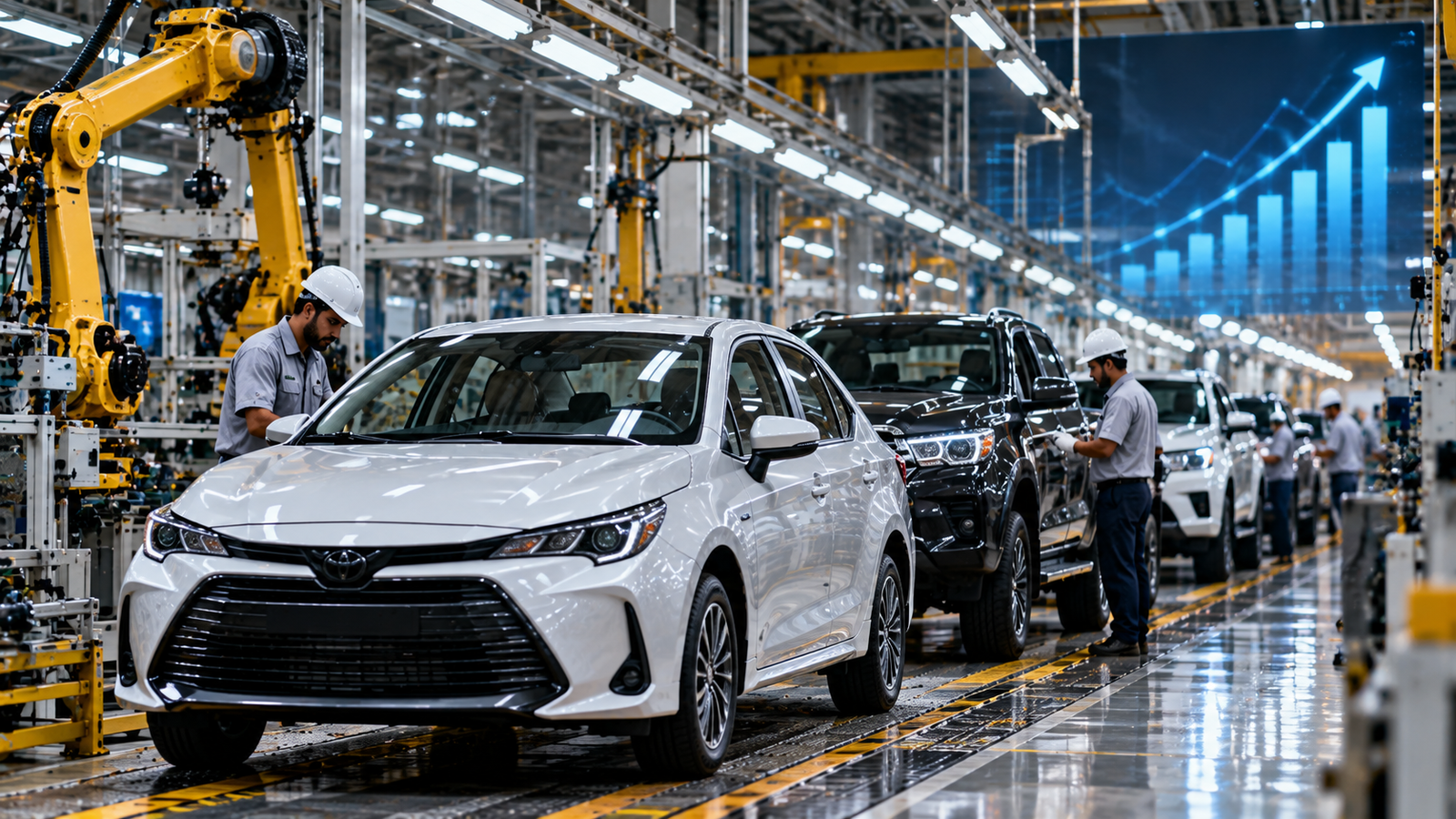
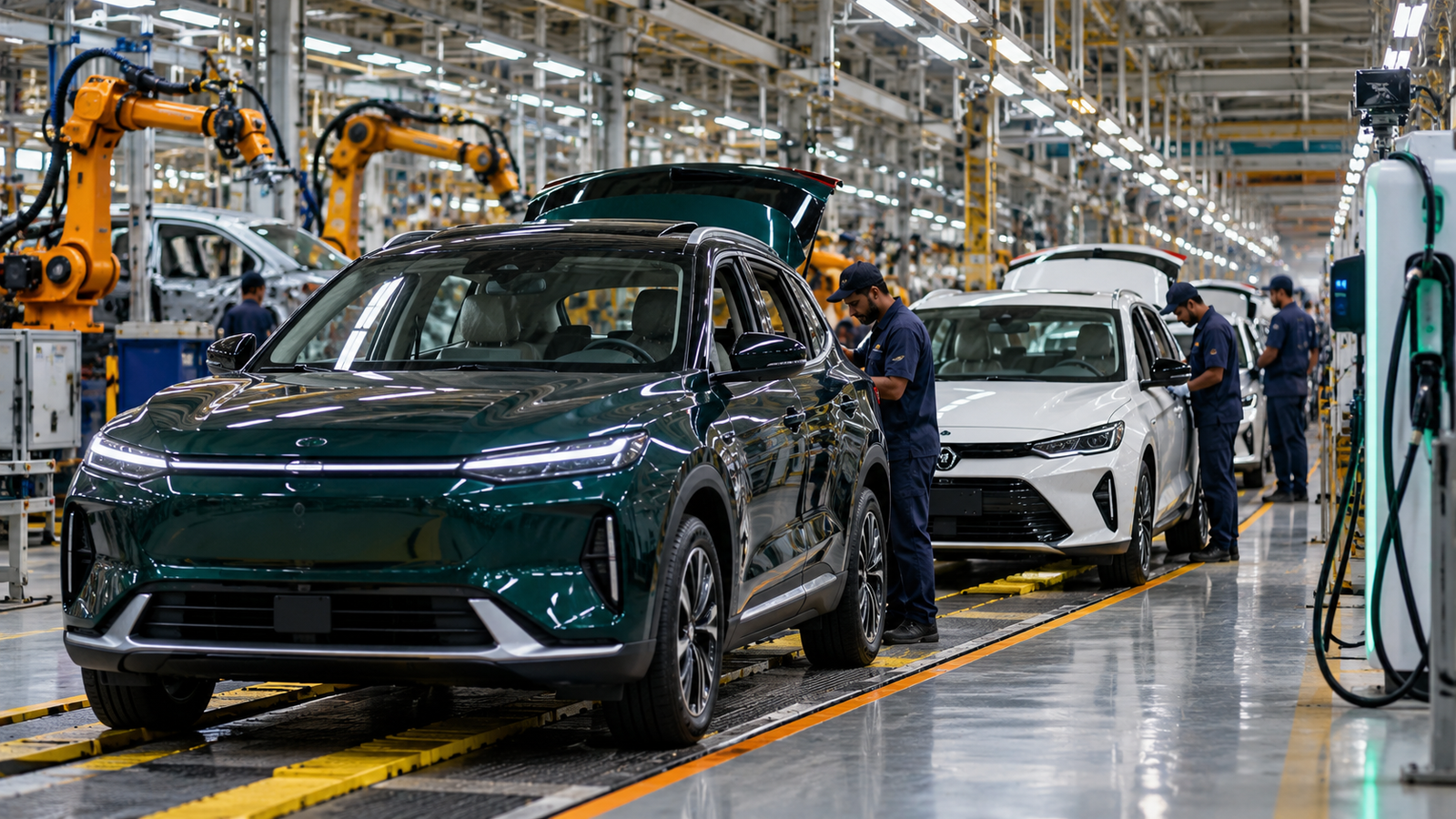
Tesla executives have expressed confidence that Cybercab manufacturing could be scaled. Building vehicles in large volumes, however, involves far more than presenting a prototype. Factories require reliable parts sourcing, consistent assembly quality, product testing and a workable process for repairs and software support.
For a novel autonomous design, manufacturers must also coordinate vehicle hardware with software and regulatory requirements. A manufacturing forecast is therefore a projection rather than confirmed deliveries. Readers should distinguish a stated ambition from the number of vehicles actually produced, registered and sold.
Could Cybercab Be Sold in Pakistan?
There was no verified announcement in the reviewed October 22 Reuters reporting of a Tesla Cybercab retail launch, operating licence, regulatory approval or dealership arrangement in Pakistan. Even if US sales begin, importation and operation in another country would involve that country’s vehicle standards, road laws, insurance rules and infrastructure.
Pakistan relevance is mainly in the longer-term discussion of autonomous vehicles and the future of transport. The story is worth covering as a major international Auto development without claiming a local launch that has not been announced.
What Should Potential Buyers Watch Next?
Readers following Cybercab should look for official information on the vehicle’s final configuration, actual sale availability, price, delivery dates and where autonomous operation is authorized. Regulatory filings and decisions are particularly important because an unusual vehicle design may depend on special compliance measures or evolving standards.
Updates from Tesla, NHTSA and state transportation authorities should be distinguished from online speculation. A demonstration video can illustrate a capability, but it cannot substitute for documented evidence of broader operational performance or permission to sell and operate a vehicle.
Conclusion
Tesla’s Cybercab has moved closer to a possible sales milestone after a company executive said the manufacturer aims to offer the two-seat driverless vehicle by the end of 2026. The concept promises a different kind of electric mobility, but regulatory scrutiny of a design without steering wheels and pedals remains a major part of the story.
As of October 22, the verified development is Tesla’s stated sales target alongside ongoing safety questions, not completed nationwide retail deliveries. Mukhbir will continue to separate the company’s ambitions, the status of regulators’ review and milestones that have actually occurred.
Frequently Asked Questions
What is the Tesla Cybercab?
It is Tesla’s proposed two-seat fully driverless electric vehicle intended for robotaxi services, with a design that does not use ordinary manual driving controls.
When does Tesla aim to sell Cybercab?
A Tesla engineering executive said the company targets public sales by the end of 2026; this remains a plan.
Is Tesla Cybercab already available for public purchase?
A general retail sales launch was not confirmed in the Reuters reporting reviewed for October 22, 2026.
Does the Cybercab have a steering wheel?
The proposed design lacks a traditional steering wheel and pedals.
Why is NHTSA reviewing the vehicle?
Its unconventional control-free design raises questions about compliance with federal vehicle safety standards.
Is Tesla operating any paid Cybercab rides?
Reuters reported limited paid rides in Austin, with plans to extend service; these do not establish nationwide operation.
Will Tesla Cybercab be available in Pakistan?
No confirmed Pakistani retail launch or operating approval was established in the cited reporting.
Is a 2026 launch guaranteed?
No. The timeline depends on manufacturing, regulation and other operational requirements.
About The Author