The Punjab Free Livestock Scheme 2026 has reached an important stage, with the provincial government preparing to distribute cows and buffaloes to widowed and divorced women in South Punjab under the second phase of its Livestock Asset Transfer initiative. An electronic ballot was held on October 14, 2026, to identify beneficiaries, and officials announced October 20 as the scheduled start of distribution. The programme is designed to give financially vulnerable rural women an income-producing asset instead of a conventional repayable loan.
The Punjab Information Technology Board (PITB) said on October 16 that 3,380 deserving women would receive free animals. A separate Punjab government public-information release referred to 3,304 selected women, however, so the exact number should be attributed to the relevant authority rather than treated as undisputed. This article explains the confirmed scheme rules, who qualifies, how selection works and what applicants should check before expecting delivery.
What Is the Punjab Free Livestock Scheme?
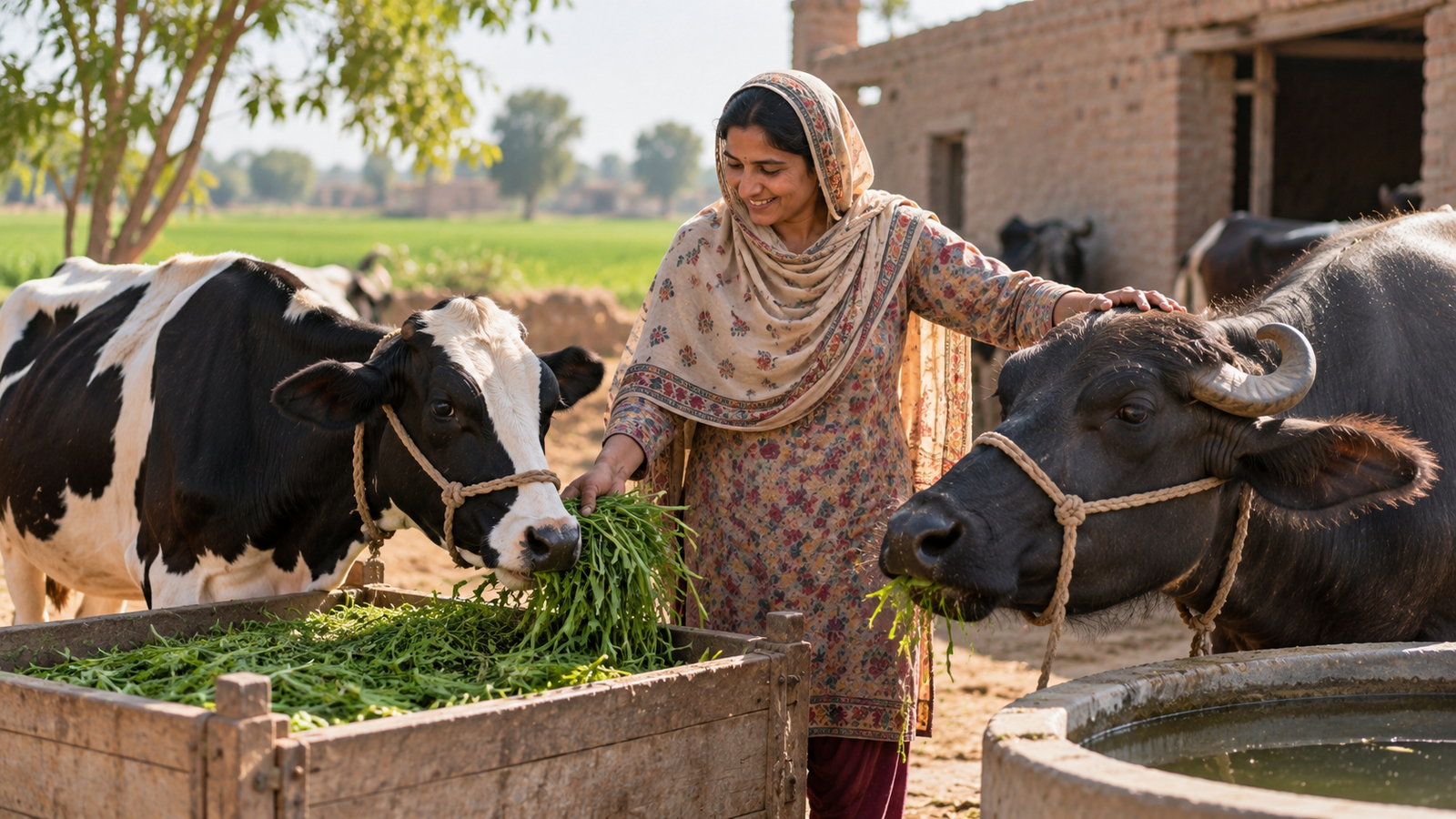
The initiative is officially described as Livestock Asset Transfer to Rural Women in South Punjab. It aims to strengthen the economic position of women who understand animal care but lack resources to purchase productive livestock. Selected participants are to receive cows or buffaloes that can potentially provide household milk, calves and opportunities to earn money through livestock-related work.
It is important to distinguish this initiative from Punjab’s Livestock Card programme. The free animal scheme transfers an asset to eligible women, whereas the Livestock Card programme provides interest-free loans for livestock farmers to buy feed and other eligible supplies. Both appear in October 2026 news coverage, but they have different audiences, funding arrangements and benefits. An article about free cows should not imply that women are taking a repayable feed loan.
Latest Phase II Update: What Happened in October 2026?
The Phase II electronic balloting ceremony was conducted on October 14 by Punjab Minister for Livestock and Dairy Development Syed Ashiq Hussain Kirmani using a digital system supported by PITB. Deputy commissioners and district livestock officers attended virtually, according to the technology board’s official release. PITB reported that 3,380 eligible rural women were due to receive animals and said distribution was scheduled to begin on Tuesday, October 20.
The Directorate General Public Relations Punjab separately stated that 15,396 applications had passed verification by the Urban Unit and 3,304 women were chosen through e-balloting. The same government communication cited October 20 as the planned distribution start. As of the reporting used here, these notices establish a schedule and selection exercise; they do not by themselves confirm that physical delivery to every beneficiary actually took place on October 20.
Why Do Official Sources Give Different Beneficiary Numbers?
The difference between 3,380 in PITB’s October 16 notice and 3,304 in the October 14 provincial release is meaningful for readers checking their status. It is not appropriate to silently select one figure and suggest all authorities published the same result. The figures may reflect separate updates or reporting stages, but the available notices do not explain the difference sufficiently to assign a definitive reason.
For practical purposes, a woman should rely on the official communication for her district, her own ballot result and the Livestock Department’s verification instructions rather than on a headline total alone. Any revised official beneficiary list or corrected final figure should be clearly dated when published.
Who Is Eligible for Free Cows and Buffaloes?
Punjab’s official scheme page identifies widowed and divorced women living in South Punjab as the intended beneficiaries. The page sets a maximum age of 55 years and states that an applicant should not have received an animal under another government scheme in the preceding five years. A valid Computerized National Identity Card (CNIC) and a mobile SIM registered in the applicant’s own name are also required.
These rules are designed to ensure the livestock reaches eligible women rather than people applying on behalf of others. The published criteria should be checked against the current phase’s district instructions because verification is part of the process. Owning a phone or submitting an online form does not independently guarantee selection, and an applicant should not describe herself as approved until authorities have confirmed her status.
Which Districts Are Covered?
The current Punjab Portal scheme overview describes the programme’s scope as all 13 districts of South Punjab. An earlier November 2024 government announcement listed 12 districts, including Dera Ghazi Khan, Muzaffargarh, Rajanpur, Layyah, Kot Addu, Multan, Khanewal, Lodhran, Vehari, Bahawalpur, Bahawalnagar and Rahim Yar Khan. The difference between the older district list and the current 13-district scope reflects the importance of checking the presently applicable administrative coverage.
Applicants should confirm their district’s inclusion and delivery arrangements through the official Livestock Department or district office. Because local quotas and verification schedules can vary, residents should not assume that a provincial distribution starting date means every village or tehsil will receive animals immediately.
How Does Registration and Selection Work?
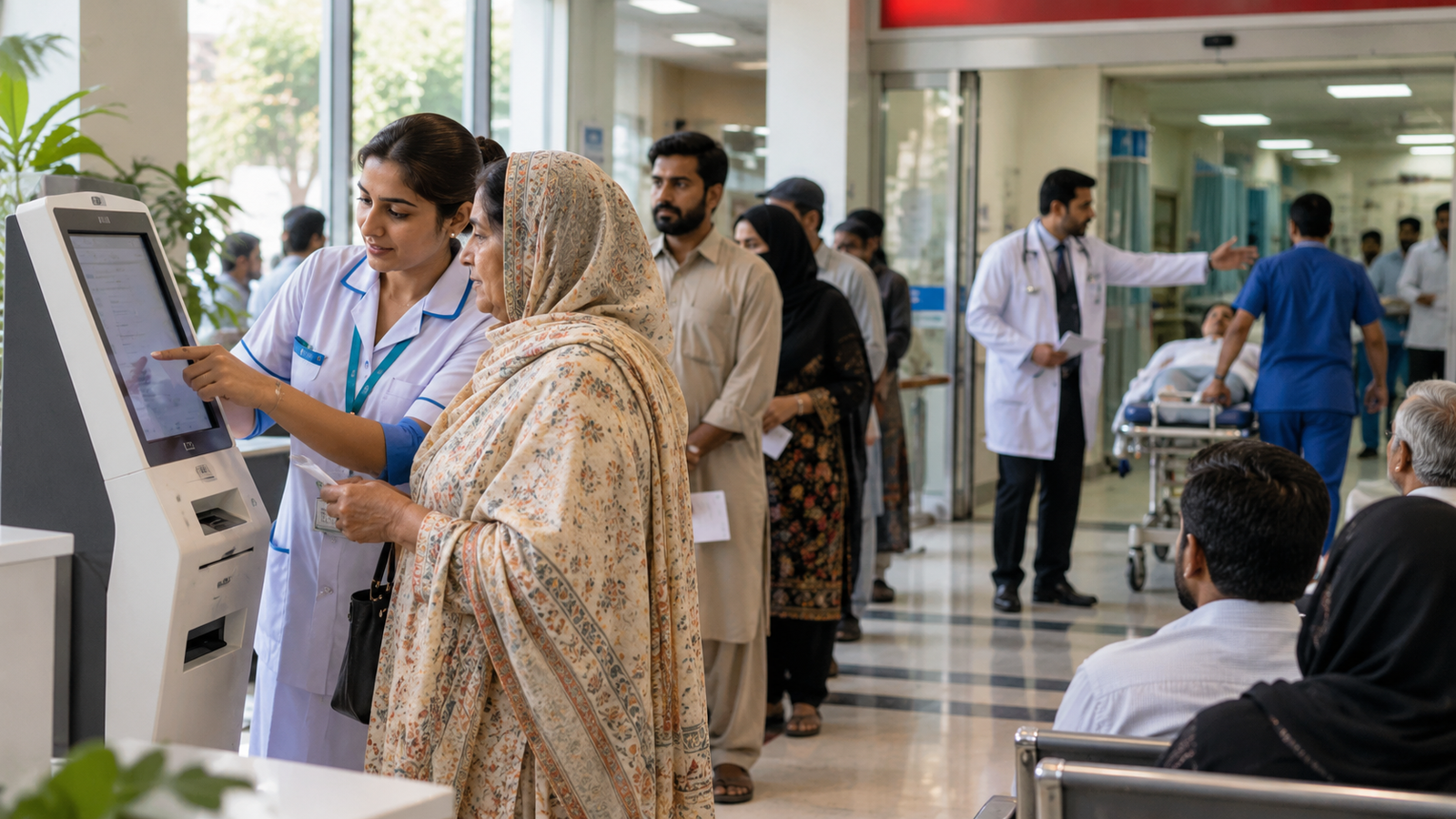
Punjab’s official portal says women can register through the Livestock Asset Transfer to Women application developed with PITB. The application asks for identification and eligibility details, including CNIC, name and marital status. Submitted information is reviewed and may be followed by physical verification to confirm the applicant meets the programme conditions.
The October 2026 Phase II selection used an electronic ballot after an application-screening process. An applicant being included in the draw is different from receiving an animal; identity checks, final verification and district distribution procedures can still apply. No reliably verified announcement in the sources reviewed establishes that a fresh Phase II registration window remains open on October 20. Women should therefore avoid assuming that viral ‘apply now’ posts represent a live new application opportunity.
How Can Applicants Check Their Results?
Women who previously applied should first check official scheme announcements and communications from their district Livestock Department. Punjab’s official scheme page links to the Livestock Asset Transfer to Women mobile application. PITB has confirmed that it supported e-balloting, but that statement is not a guarantee that every unofficial result-check website or social-media link is reliable.
If an applicant is unsure whether she has been selected, her district livestock office can explain the relevant verification stage and local distribution arrangements. She should keep her CNIC and registered mobile number available for legitimate verification but should not share passwords, bank PINs, one-time passwords or identification photographs with unknown social media accounts. The scheme is intended to provide free livestock, and unverified agents demanding fees should be treated with caution.
What Financial Assistance Is Included?
The Punjab government public-information release says each beneficiary is also to receive one-time financial assistance of Rs5,000 to help with the animal’s care and maintenance. The release described support through Bank of Punjab debit cards and referred to formal animal registration and breeding improvements. These are programme provisions announced by authorities, not proof that every selected woman has already received both the animal and the money.
Animal ownership creates continuing costs. Feed, clean water, safe shelter, vaccinations and veterinary treatment all influence whether a cow or buffalo can provide long-term value. A small initial grant can help with early expenses, but households still need a realistic plan for year-round maintenance.
What Happened During Phase I?
This is an expansion of an existing programme, not an entirely new scheme created in October 2026. In November 2024, the Punjab government announced a livestock asset initiative aimed at widowed and divorced women in South Punjab. The October 2026 Punjab public-information release said that 9,255 quality animals had been distributed to beneficiaries during the first phase.
That earlier delivery experience is relevant because Phase II is presented as another step in the same effort. However, the previously distributed total does not by itself establish the income earned by each recipient or the long-term success of every transferred animal. Such impacts require follow-up monitoring and outcome data.
Why Livestock Can Support Rural Women’s Livelihoods
In agricultural communities, a productive animal can be a valuable asset. Milk may help support family nutrition, and any surplus can potentially be sold locally. Livestock ownership can also create opportunities connected to breeding, household food production and regular animal-care work. For a woman with limited access to savings or formal employment, an animal may be more useful than a small one-time payment.
The results will depend on feed prices, health care, milk yields, nearby buyers and the beneficiary’s ability to keep the animal in suitable conditions. It would be misleading to promise a specific monthly income from the scheme without verified evidence. The economic benefit is a policy objective and a possibility, not an automatic guaranteed result for every household.
How the Scheme Relates to Women’s Financial Independence
The Punjab government has promoted the programme as a way to strengthen widowed and divorced women’s economic independence. In rural areas, some women already manage animals or participate in family farming but do not own income-generating property in their own name. The livestock transfer model is intended to address that gap by providing direct access to an asset.
A successful programme also needs beneficiary choice, practical training, veterinary support and reliable local oversight. Women must be able to make use of the transferred animal without being exposed to new risks or unaffordable maintenance obligations. Long-term outcomes should be evaluated through evidence of animal survival, productive use and the beneficiaries’ own financial circumstances.
Animal Health and Registration Measures
The October 2026 provincial government release stated that distributed animals would be registered under the Punjab Animal Identification and Traceability System, commonly known as PAITS. It also referred to improved breeding practices. Formal identification may help authorities track animals and manage livestock-support efforts, although its effectiveness depends on implementation and the accuracy of records.
Veterinary services, vaccination and disease prevention remain essential. New owners should follow the guidance provided by qualified livestock staff on feeding, hygiene and illness. The public reporting reviewed does not establish that every selected woman has already received a specific training session or veterinary package, so such details should not be promised beyond what the department confirms.
Is This the Same as the Punjab Livestock Card?
No. The Punjab Livestock Card Phase II launched in mid-October 2026 was widely covered by Dawn, Radio Pakistan and the Associated Press of Pakistan. That programme focuses on interest-free loans for livestock farmers to buy feed such as wanda, silage and mineral mixtures. Borrowers are expected to repay the principal, while the government bears the interest cost.
By contrast, the Livestock Asset Transfer initiative aims to provide free cows or buffaloes to eligible rural women. Readers searching for ‘Maryam Nawaz livestock scheme’ may encounter both programmes. Checking the official scheme name is the simplest way to avoid following irrelevant eligibility rules, applying through the wrong process or misunderstanding whether money must be repaid.
What Applicants Should Know Before Distribution
Selection in an e-ballot is a significant step, but an applicant should confirm any remaining conditions and her individual delivery instructions. District quotas, verification and scheduling can affect when distribution occurs. Applicants should look for authenticated messages from officials and consult district livestock offices if they receive conflicting dates or requests for payment.
Families should also prepare suitable space, clean water and a feeding plan before bringing an animal home. Receiving livestock involves daily care and potential veterinary costs. Understanding these responsibilities helps protect the value of the asset and supports animal welfare. News organizations should continue checking whether scheduled distribution actually begins and whether districts encounter delays.
Why This Is Important Public-Service News
The scheme matters because it combines social support with livestock development, specifically targeting women who may face financial insecurity. The use of digital registration and electronic balloting is intended to make selection more transparent, while district-level implementation is meant to reach rural households. Whether those goals are achieved in practice will depend on transparent records, appropriate animal quality and credible follow-up.
For readers, the most immediate questions concern eligibility, selection and the actual handover of cows or buffaloes. Accurate coverage must identify what government notices confirm and what remains scheduled or subject to verification. It should also alert readers to misleading registration offers and clarify the difference between a free animal and a loan-funded livestock card.
Conclusion
The Punjab Free Livestock Scheme 2026 has advanced to Phase II following an electronic ballot on October 14. PITB announced 3,380 intended beneficiaries, while another provincial release recorded 3,304 selected women. Both identified October 20 as the scheduled start of free cow and buffalo distribution. The programme is targeted at eligible widowed and divorced women in South Punjab and is part of a livestock asset initiative introduced before 2026.
Applicants should use official provincial resources and district livestock offices to confirm their personal selection status, verify local delivery arrangements and avoid unverified fee requests. For Mukhbir readers, the central distinction is simple: selection and a planned distribution date are verified announcements, while completed delivery requires separate confirmation.
Frequently Asked Questions
What is the Punjab Free Livestock Scheme 2026?
It is the Punjab government’s livestock asset transfer programme that aims to provide free cows or buffaloes to eligible widowed and divorced rural women in South Punjab.
When was the second-phase e-balloting held?
PITB says the Phase II electronic ballot was held on October 14, 2026.
How many women will receive animals in Phase II?
PITB reported 3,380 intended recipients, while a separate provincial release reported 3,304 selected women. The exact figure should be attributed to its source.
When will cow and buffalo distribution begin?
Government releases scheduled distribution to commence on October 20, 2026. The notices alone do not confirm completed handovers.
Who can apply?
The official scheme page identifies widowed or divorced rural women in South Punjab aged no more than 55, with a valid CNIC, registered mobile SIM and no government-provided animal in the previous five years.
Is a cow or buffalo provided as a loan?
No. This asset-transfer programme offers animals without a repayable livestock loan. It is separate from the interest-free Punjab Livestock Card.
Is there financial assistance for animal care?
The October 2026 provincial release announced a one-time Rs5,000 maintenance grant for beneficiaries.
Where can applicants verify details?
Consult https://punjab.gov.pk/index.php/attrw-scheme and the relevant district livestock office. Do not rely solely on unofficial social-media registration links.
About The Author