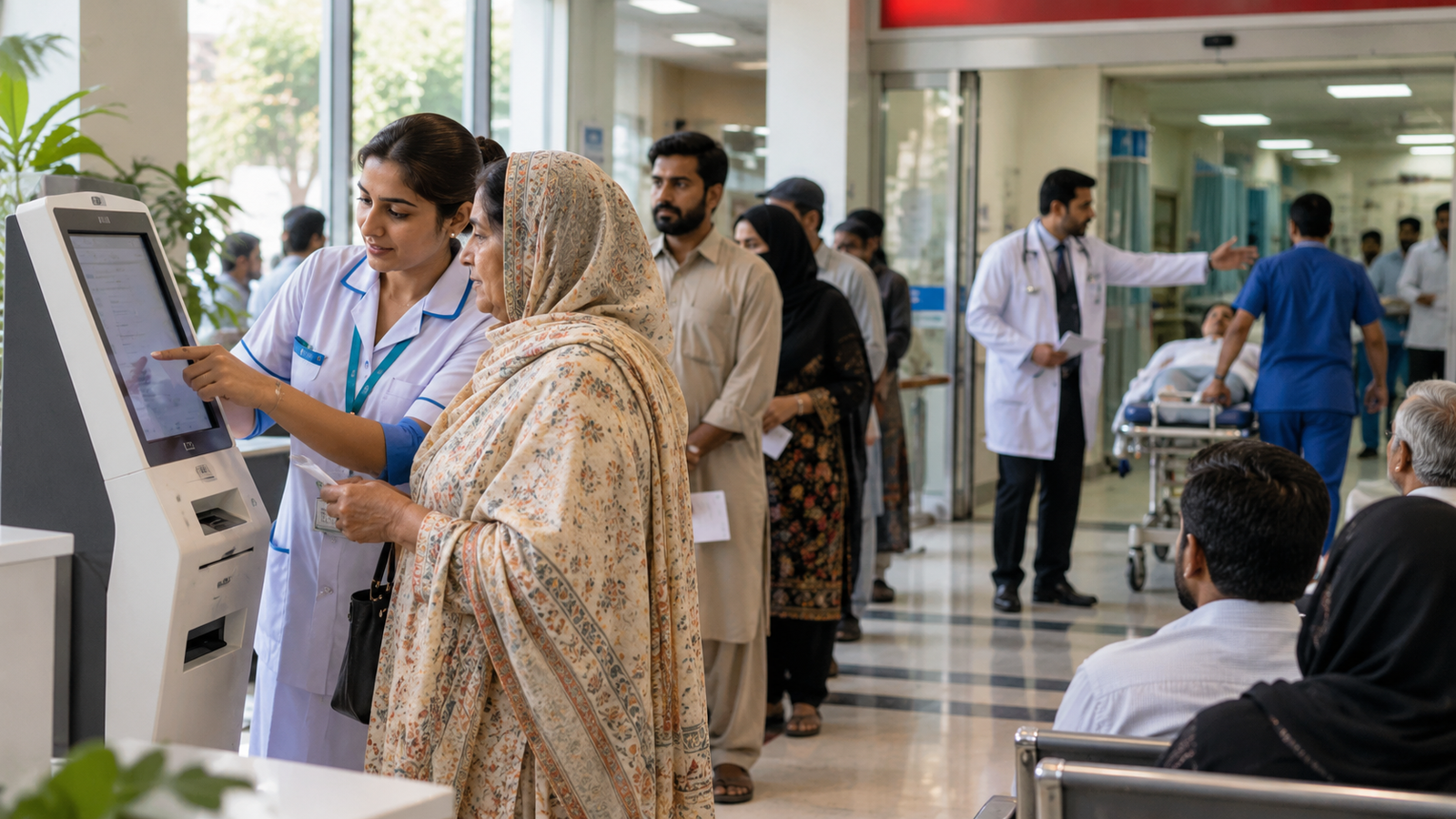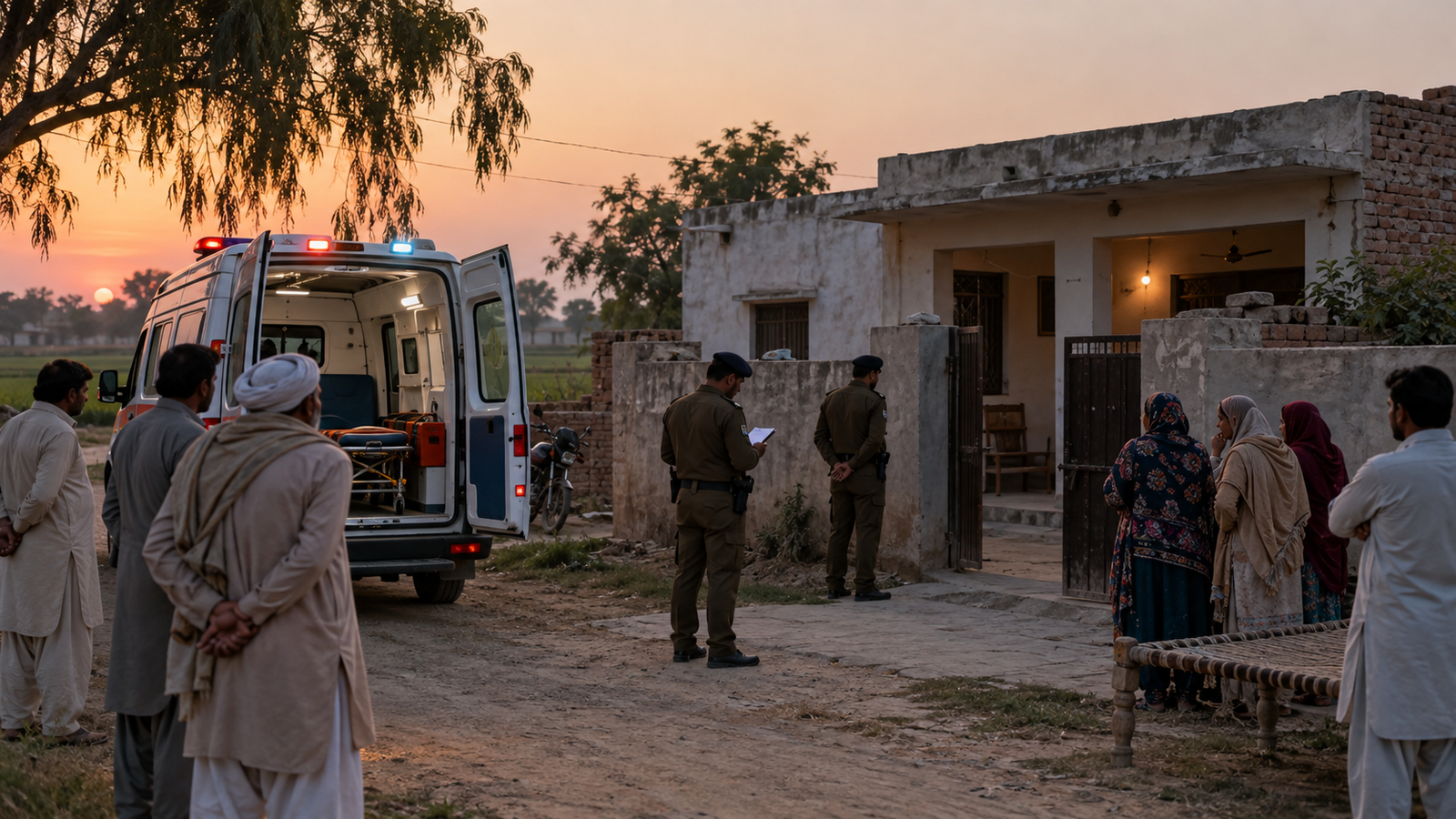
What Happened at Gulab Devi Hospital?
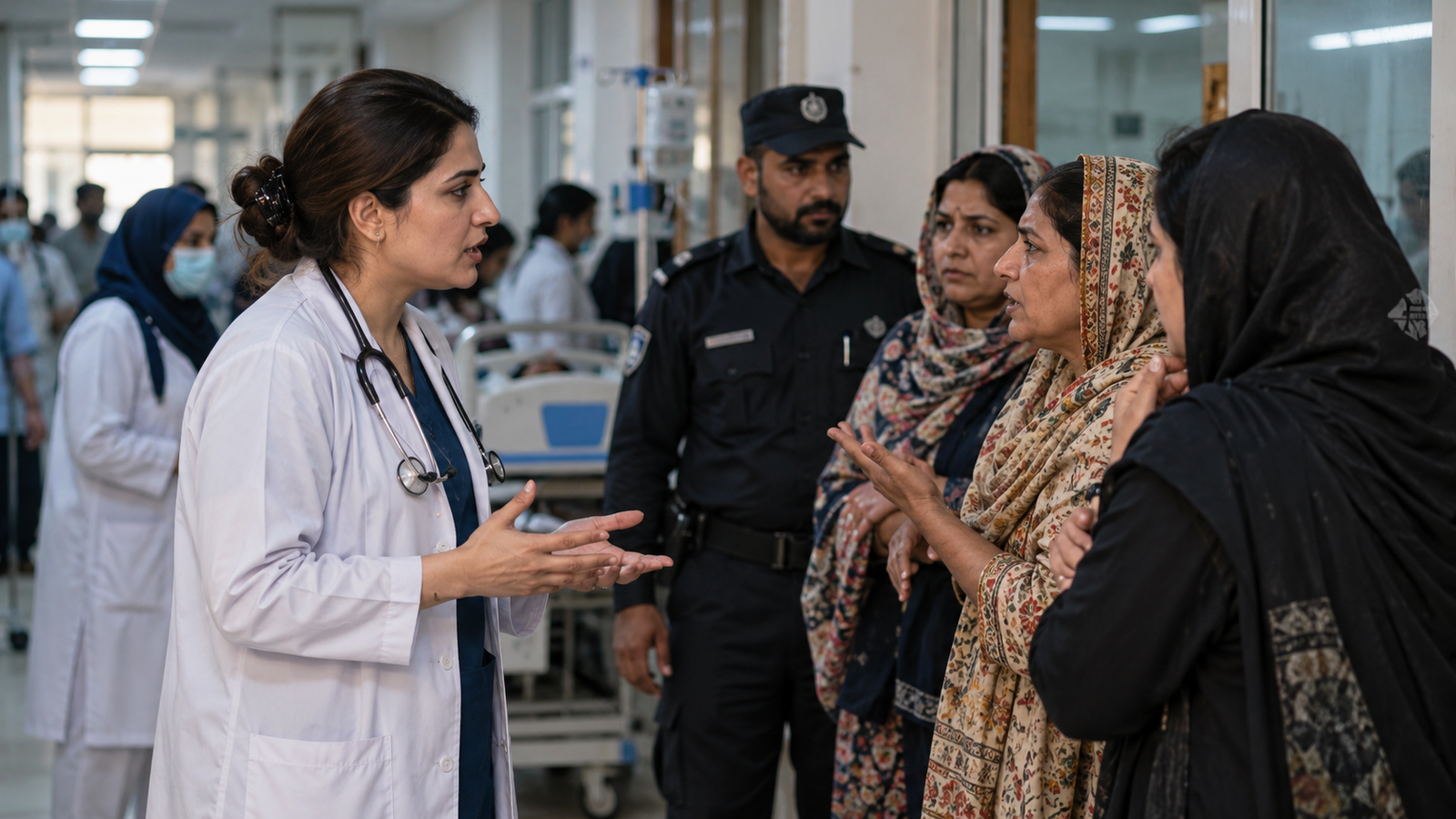
The confrontation took place in the Ameeruddin Ward of Gulab Devi Teaching Hospital. Reports in Dawn, Dunya News and ARY News describe an argument involving a female doctor, identified in several reports as Dr Zahra, and women accompanying a patient. Accounts suggest the dispute concerned access to the ward, video recording and the handling of a critically ill patient’s request for intensive care.
The argument escalated into a physical scuffle, with television reports describing pushing, slaps and blows. The video circulated widely on social media, but the images alone do not settle every disagreement about what happened before the recording began or who initiated physical contact. Police were subsequently called, and the incident attracted criticism from medical professionals and the patient’s relatives.
Who Was the Patient Who Died?
The patient was identified as Zulfiqar Ali, a Lahore resident who had been admitted roughly a week earlier with a serious lung or chest illness. Reports differed on his precise age: Dawn described him as 24, while Jang cited hospital information identifying him as 38. Because these records conflict, a single age should not be presented as settled without further documentation.
His condition reportedly deteriorated, prompting discussion about transfer to an intensive care unit and the availability of ventilator support. His death, reported after the scuffle, brought greater attention to events in the ward. The tragedy was deeply distressing for his family, which has publicly questioned whether care continued appropriately during and after the dispute.
What Did the Patient’s Family Allege?
The patient’s relatives claimed there had been a disagreement over moving Zulfiqar to intensive care and providing ventilator support. They alleged that medical staff stopped or delayed treatment after the confrontation and that this contributed to his death. Some relatives also accused members of the hospital staff and security personnel of mistreating women accompanying the patient and confining them in a room.
Other reporting included an allegation that paramedical personnel demanded money. These are allegations, not verified findings. Dunya News explicitly noted that aspects of the relatives’ claims had not been confirmed. Their account nonetheless raises questions about communication with families, escalation procedures and the need for transparent review when a patient dies during a serious dispute.
How Did Hospital Management Respond?
Hospital officials rejected the family’s allegation that treatment was withheld. Gulab Devi Hospital Medical Superintendent Professor Dr Hamid Hassan told Dawn that Zulfiqar was critically ill, needed ventilator support and had remained under medical care. He said senior doctors attended the patient, including after the confrontation, and maintained that the patient died because of the seriousness of his medical condition.
The hospital’s version also described the female doctor as having been assaulted by attendants. Staff members said the doctor had asked women to leave the ward to avoid interruptions to treatment and that the situation worsened when a visitor began recording a video. Those assertions conflict with parts of the family’s account. Neither side’s statement is a substitute for an independent determination of the medical and physical events.
What Does the Viral Video Show?
Accounts of the circulated footage describe a heated confrontation that became physical. Dawn reported that the clip appeared to show a lady doctor moving toward a woman and striking her, followed by an exchange of blows. Other outlets emphasized images of attendants confronting hospital staff. The differing descriptions highlight the limitations of relying on short excerpts of video without full context.
The footage cannot by itself demonstrate whether medical treatment was interrupted, the patient’s clinical condition at every stage or the cause of death. Those questions require medical records, staff statements and any official investigation. News coverage should not equate a viral clip with a complete chronology or a final finding of blame.
Police Detain Two Women After the Altercation
Naseerabad police detained two women in connection with the confrontation and produced them before a court. Dunya News reported the detention on October 19, while Express Urdu and APP-based coverage reported preventive action under Sections 107 and 151. Those provisions are typically associated with preventing breaches of the peace rather than serving as proof of guilt in the underlying dispute.
DIG Operations Faisal Kamran said police acted to maintain order and protect treatment activities within the hospital. Police involvement is an important development, but detention and a court appearance should not be described as criminal convictions. The legal position should be updated if a formal charge, inquiry finding or court outcome is subsequently announced.
Young Doctors Association Demands Protection
The Young Doctors Association in Punjab condemned the alleged assault on the female doctor and urged authorities to improve protection for healthcare professionals. Its intervention reflects long-standing concerns about conflict between medical personnel and patients’ families in stressful emergency and inpatient environments.
Doctors and nurses must be able to provide treatment without threats or physical violence. At the same time, families have legitimate interests in receiving clear information about a patient’s condition, the availability of intensive care and the reasons for medical decisions. Effective hospital security should protect healthcare staff and patients without preventing relatives from raising concerns through lawful channels.
Conflicting Reports About an Inquiry
Published accounts did not uniformly describe the institutional response. The News reported a departmental inquiry in connection with the dispute, while Dawn reported that hospital management had refused to begin an inquiry into the alleged negligence linked to the patient’s death. These statements may concern different forms or scopes of review, but the reporting available does not fully reconcile them.
A responsible account should therefore not claim that an independent medical-negligence investigation has conclusively established wrongdoing or exonerated anyone. Determining whether treatment was interrupted would require clinical records, a reliable timeline, an examination of staffing decisions and relevant medical evidence. Any later official inquiry findings should be reported separately from the initial allegations.
Why the Timing of the Patient’s Death Matters
The patient died after the reported clash, according to multiple news outlets. That sequence is confirmed in reporting, but a sequence of events does not automatically establish a medical cause. Serious chest or lung disease can require complex intensive care, and a patient’s prognosis depends on clinical details that have not been publicly established in a sufficiently complete and reliable way.
The family and hospital disagree over whether care continued properly. Unless a medical investigation establishes a causal link, the most accurate wording is that the patient died after or following the confrontation—not that he died because of the fight. This distinction is essential to avoid falsely assigning responsibility in a sensitive case.
Hospital Security and Patients’ Rights
The incident has become a wider conversation about safety in hospitals. High-pressure wards bring together families worried about severely ill relatives and medical workers making urgent decisions with limited time and resources. Poor communication, uncertainty about treatment and confrontation over access can turn an already difficult moment into a safety emergency.
Hospitals need clear rules on visitor access, secure methods for reporting complaints and procedures for dealing with disputes without interrupting patient care. Such systems should protect healthcare workers from physical threats while ensuring that patients and families are treated respectfully. Fair procedures also help preserve evidence if a disagreement leads to police involvement or an investigation.
Why Independent Verification Is Important
In stories involving a death and allegations of negligence, every significant claim needs careful sourcing. It is established that a physical confrontation was reported at the hospital, that a patient died afterward and that two women were detained. What remains disputed includes the initiation of the physical clash, alleged mistreatment by staff and whether treatment was interrupted in a way that contributed to the patient’s death.
Some published reports also contain differences over the patient’s age and whether a departmental review was ordered. Readers should be given those distinctions rather than a simplified version that treats disputed testimony as settled fact. Reliable journalism can report the family’s concerns and the hospital’s denials together while making clear that the medical question remains unresolved.
What Happens Next?
The legal and administrative response may develop as authorities review the allegations and any available footage. At the time of this October 20 report, the confirmed police action was the detention of two women and their presentation before a court. Publicly available reporting did not establish a final court decision or a definitive independent medical explanation of Zulfiqar’s death.
Further reliable updates would include any official findings on medical care, confirmed outcomes of police proceedings and statements from competent hospital oversight authorities. Until such material emerges, claims of deliberate neglect or blame for the patient’s death should remain attributed rather than being reported as fact.
Conclusion
The Gulab Devi Hospital clash has left a family grieving and has raised urgent questions about how disputes are handled in medical wards. Footage of the altercation prompted public scrutiny, while police detained two female attendants and the Young Doctors Association called for stronger security. Hospital administrators say the critically ill patient continued to receive care, but his relatives have made serious allegations about what happened around the time of his death.
For now, the verified facts and the contested claims must remain clearly separated. Protecting medical staff, respecting patients’ families and investigating serious complaints fairly are all necessary for public trust. Any conclusion about medical negligence must come from evidence and due process, not from an incomplete viral video.
Frequently Asked Questions
What happened at Gulab Devi Hospital in Lahore?
A physical confrontation took place between a lady doctor and female attendants in the Ameeruddin Ward during October 17–18, 2026. Videos circulated online.
Did a patient die after the incident?
Yes. Zulfiqar Ali, a critically ill patient receiving treatment for a lung or chest condition, died after the reported confrontation.
Did the fight cause the patient’s death?
That has not been established. His family alleges treatment was interrupted, while the hospital says care continued and he died from his critical illness.
How many people were detained?
Police detained two female attendants and presented them before a court.
Who was the female doctor involved?
Several Pakistani outlets identified the doctor as Dr Zahra.
What did the hospital administration say?
Hospital officials said the doctor was assaulted and denied withholding treatment from the patient.
What did the Young Doctors Association demand?
The association condemned the reported assault on the doctor and demanded stronger security and appropriate legal action.
Is there a confirmed medical-negligence finding?
No final independent finding establishing that alleged negligence caused the patient’s death was verified in the reporting used for this article.
About The Author