Pakistan electricity 200 units policy could undergo a significant change after Federal Power Minister Sardar Awais Ahmad Khan Leghari told the Senate on October 27, 2026, that the government was working to remove the six-month penalty affecting households whose monthly power consumption exceeds the protected limit. The government is also considering increasing the threshold from 200 to 250 units and directing subsidies toward people who need them most. However, these changes are not yet implemented: no final effective date or revised tariff schedule was confirmed in the reports available by October 28. Consumers should therefore continue to read their bills under the currently applicable rules.
Pakistan Electricity 200 Units Policy: Key Facts
Statement date: October 27, 2026.
Reporting date: October 28, 2026.
Minister: Sardar Awais Ahmad Khan Leghari, Federal Minister for Power.
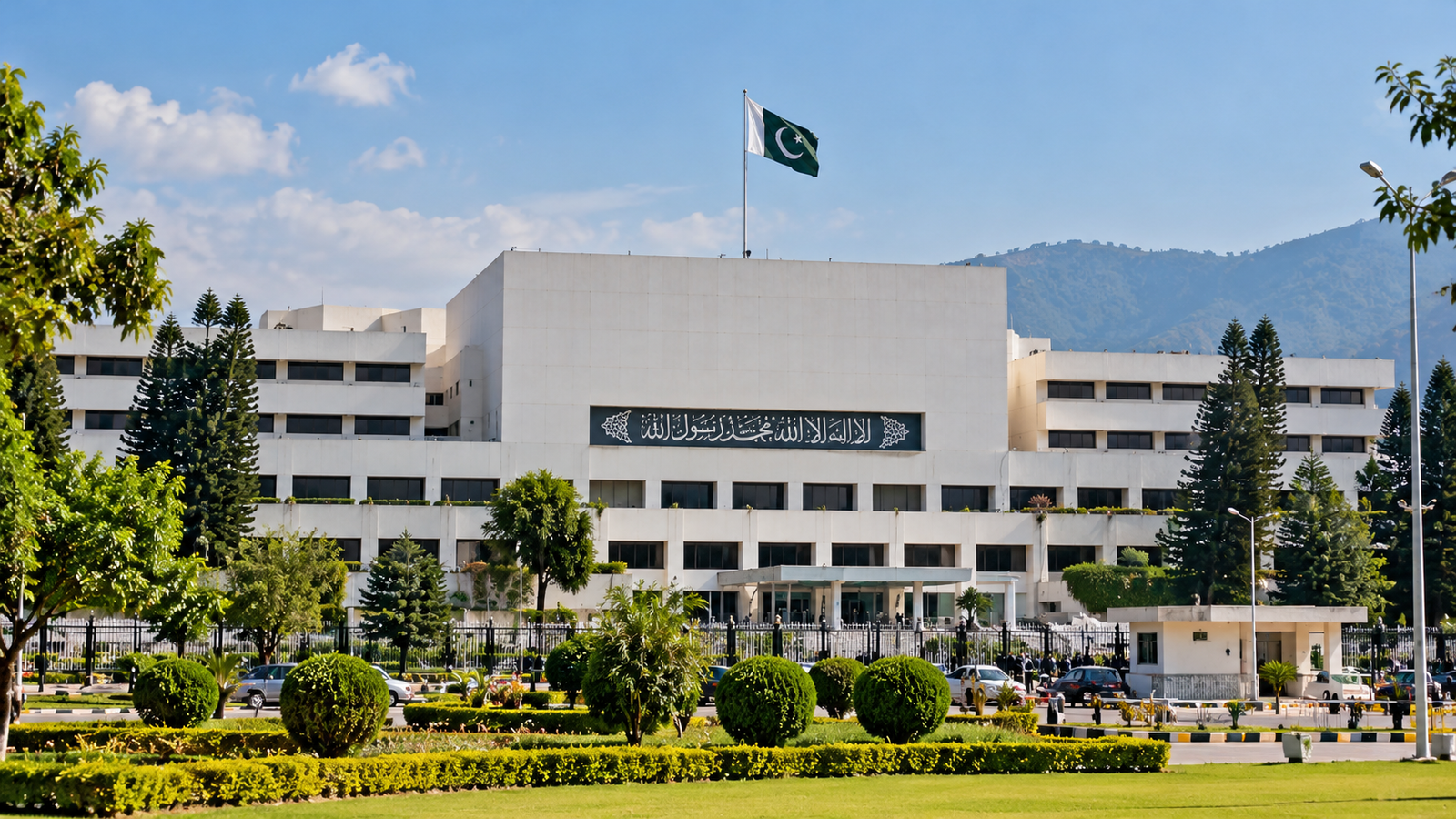
Venue: Senate of Pakistan.
Issue raised by: Senator Abid Sher Ali through a calling-attention notice.
Current protected threshold discussed: up to 200 monthly electricity units.
Reported penalty: loss of protected status for six months after crossing the threshold.
Option under consideration: raise the protected threshold to 250 units.
Alternative proposal: remove six-month exclusion so qualifying consumption can restore benefits sooner.
Additional reform: target subsidy using poverty and income rather than usage alone.
Reported possible policy finalization: approximately one and a half months, as stated by minister.
Implementation date: not confirmed as of October 28.
New official tariff rates: not announced in the Senate reports.
What Did the Power Minister Tell the Senate?
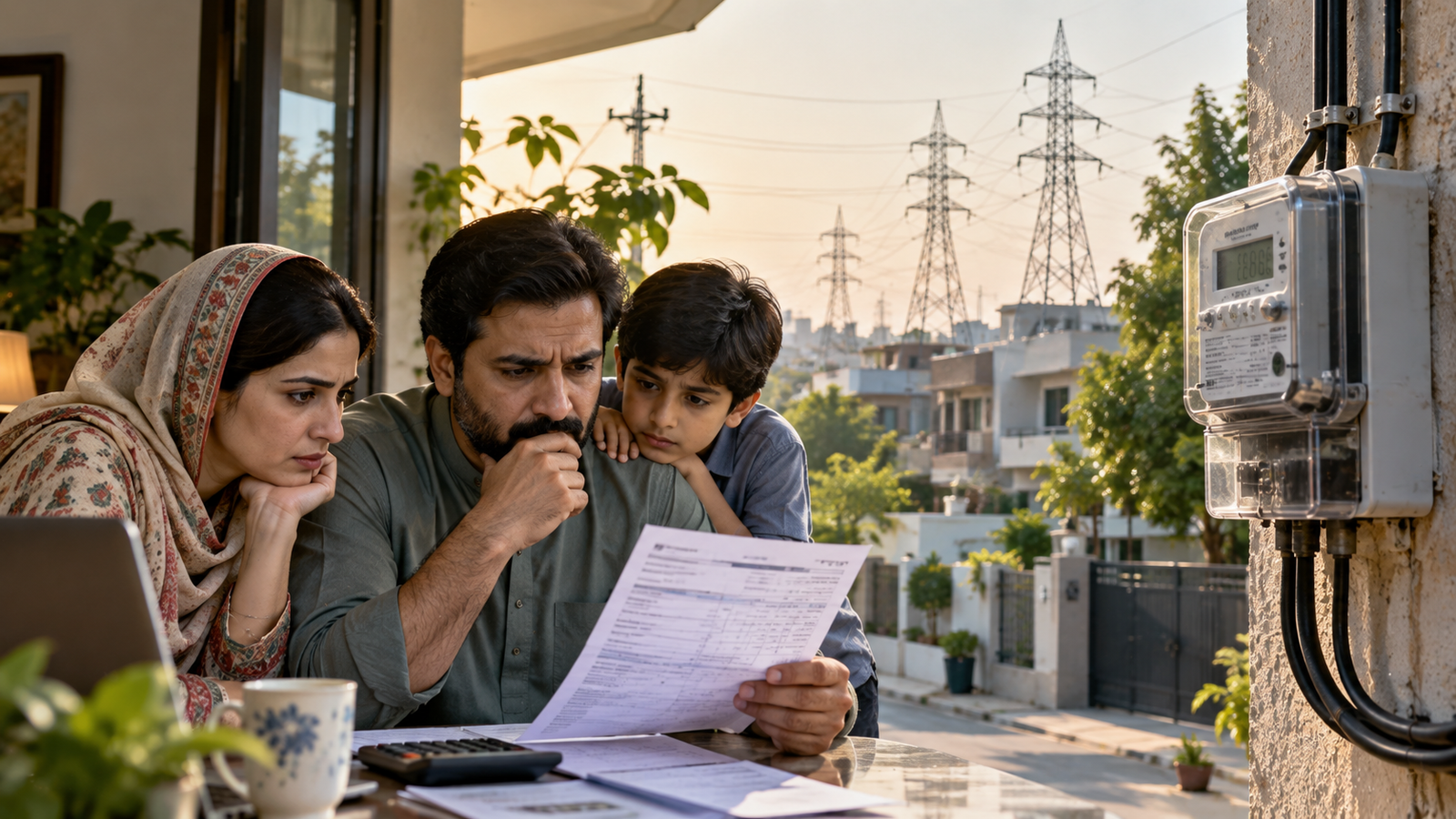
Leghari addressed a calling-attention notice moved by PML-N Senator Abid Sher Ali about how electricity tariffs are calculated for customers of power distribution companies. The senator highlighted the sharp difference households can face when their consumption moves from 200 to 201 units in a monthly billing cycle. In response, Leghari acknowledged the problem and said officials were working to replace the arrangement. Reports from Dawn, Geo News, Business Recorder and Dunya describe the same central point: the government intends to end a prolonged additional billing burden, but the final method remains under consideration. A ministerial policy statement is not the same as a published, enforceable tariff notification.
How the Current 200-Unit Protected Category Works
Pakistan’s electricity tariff system has differentiated between protected residential users and other customers partly on the basis of consumption history and monthly usage. News reports describe the protected category as applying to customers using up to 200 units per month, with a subsidy that lowers their applicable cost. The contentious feature is not simply paying for an extra unit; crossing the line can affect protected status for an extended period and expose a household to a different billing structure. Actual bills may include fixed charges, fuel adjustments, taxes, surcharges and other components, so a quoted per-unit rate should not be mistaken for an all-inclusive bill calculation.
Why One Extra Unit Can Have a Disproportionate Effect
During the Senate discussion, Abid Sher Ali illustrated the issue by contrasting 200 units with 201 units, saying that the associated rate could jump from about Rs15 to Rs30 per unit. Other reports describe a subsidy of around Rs13 per unit for protected consumers and charges up to approximately Rs33 per unit for those who lose that benefit. These numbers come from the parliamentary discussion and reporting, not a universal fresh quotation for every individual meter. The particular complaint was that a small change in consumption could influence eligibility for months, creating a larger financial impact than the one extra kilowatt-hour alone would suggest.
What Is the Six-Month Penalty?
Under the arrangement described to the Senate, consumers who exceed the protected consumption limit can lose access to the corresponding concession for the next six months. That means a household returning to a lower monthly use may not immediately receive the same protected benefit. The arrangement can be difficult for households facing seasonal increases in electricity demand, including during hot weather, although its impact depends on their tariff classification and billing history. The administration is now working on an alternative. Readers should not assume that every customer is subject to identical billing circumstances without checking their utility’s classification and the applicable regulator-approved schedule.
Option One: Raise the Threshold to 250 Units
One possible reform would move the relevant monthly threshold from 200 units to 250 units. If introduced in the reported form, this could reduce the number of households affected by minor increases above the current limit. However, the government has not confirmed the revised eligibility rules, tariff bands or funding arrangement. A higher nominal limit could change subsidy costs and household incentives, so the final details matter. The announcement does not establish that 250 units are already subsidized nationwide, nor does it provide enough information to calculate how much a particular household would save.
Option Two: Remove the Six-Month Exclusion
A second proposal would allow customers to regain protected benefits in a month when their usage meets the defined qualifying level, rather than remaining outside the protected category for six months after a previous breach. The minister said the ministry was seriously working to remove that bar. Such a reform could address the mismatch between a brief period of high consumption and an extended increase in billing. It remains unclear whether the final rule will retain all other criteria for protected eligibility, how a customer’s history would be treated or how utilities would transition existing accounts. Until a formal rule is issued, no exact restoration timetable should be promised.
Will Electricity Subsidies Depend on Household Income?
The broader reform discussion extends beyond consumption thresholds. Leghari said the government wants to direct financial assistance to poorer and lower-middle-income customers rather than assuming everyone using relatively little grid electricity needs the same support. That would represent a move toward targeted subsidies. The purpose, as described by the minister, is to make limited public funding reach households with greater financial need. Important details have not been announced, including how income would be assessed, what documentation might be required, how eligibility could be challenged and how people without formal income records would be treated.
Why the Government Is Reconsidering Consumption-Based Relief
Leghari argued that the existing protected category includes households with different economic circumstances. Some financially better-off customers with rooftop solar installations may draw under 200 units from the grid while consuming more electricity overall. In the Senate debate, he cited growth in the number of protected consumers, with reporting giving estimates of around 20 million and, in some accounts, 20 million to 25 million. These were claims made during the parliamentary discussion, not independently audited consumer counts for this article. Solar adoption does not by itself prove a household is wealthy, and many people use small systems to manage rising electricity expenses.
The Potential Advantages of Targeted Subsidies
A carefully designed targeted system could direct more assistance toward financially vulnerable households while reducing support to customers who can afford the full tariff. It might also reduce the distortion caused by a sharp boundary between protected and unprotected categories. The effectiveness of such a model depends on accurate eligibility data, an accessible application or automatic identification process and safeguards against wrongful exclusion. Any savings to the budget would have to be evaluated alongside the administrative cost of assessing need. An income-based subsidy is not automatically fair or efficient merely because it is labelled targeted.
Concerns About Income-Based Eligibility
Households with irregular employment, informal wages, disability-related costs or multiple dependants can be difficult to classify using standard records. A family with a modest monthly income may face seasonal power bills that do not reflect its spending capacity. If records are outdated or the review process is unclear, some eligible consumers could lose assistance. Public communication and appeals procedures would be important if the government introduces a new eligibility system. Equally, the state may need effective verification to limit misuse. The final policy will have to balance administrative practicality, privacy, affordability and fiscal sustainability.
What Has Been Decided and What Is Still Under Review?
According to the minister’s October 27 statement, the government intends to replace or substantially revise the existing tariff arrangement affecting consumers who cross the protected usage threshold. But two concrete approaches—the higher 250-unit threshold and removal of the six-month exclusion—were still being evaluated. The subsidy design based on income also remains in development. Reports say Leghari expected approximately one and a half months to finalize the plan. That time frame is an official’s expectation, not a legally binding implementation date. No verified regulator notification in the available coverage establishes that new bills should already follow either proposed method.
How the Policy Could Affect Families Using 180 to 250 Units
A customer regularly consuming 180 units may already be within the protected level under the current structure, but later income-based criteria could influence future eligibility. A household with 201 units might benefit from removing the long exclusion, from a raised threshold or from both, depending on the final design. Someone regularly using 240 units would have a different experience if the 250-unit proposal were adopted than if the government retained 200 units with faster restoration. These are illustrations of possible effects, not actual bill quotes. The amount saved cannot be determined without a final tariff schedule and the customer’s complete billing information.
Why the Change Matters During Seasonal Electricity Demand
Electricity consumption can increase during summer because fans and cooling devices operate for longer periods. A family may generally use below 200 units but cross the line during a particularly hot month. The present controversy concerns whether that occasional increase should affect billing treatment for another six months. Removing the exclusion could give households more predictable eligibility from month to month, provided the eventual rules are clear. Meanwhile, households may still reduce waste by checking appliance efficiency, avoiding unsafe wiring and comparing their actual meter readings with the amounts shown on a bill. The proposal does not remove the importance of responsible energy use.
The Role of Regulators and Distribution Companies
Pakistan’s power tariffs involve government policy, regulator-approved charges and implementation by distribution companies. A statement to the Senate signals the direction of policy but does not, by itself, rewrite every consumer’s bill. Utilities will need clear instructions about eligibility, accounting, software updates and customer communication if the change is approved. The precise institutional steps should be confirmed once a formal notification appears. Consumers with a disputed bill should contact their distribution company or the appropriate complaint channel using current procedures rather than withholding payment on the assumption that future rules already apply.
Power Sector Finances and Circular Debt
Leghari linked the tariff discussion to wider electricity-sector finances. He stated that circular debt had fallen to around Rs1.6 trillion to Rs1.67 trillion and described a goal to eliminate it in approximately four years under a financing-reprofiling framework. Circular debt refers to accumulating unpaid obligations and payment imbalances across parts of the electricity system. These fiscal pressures shape the ability to provide subsidies over time. The figures are ministerial statements reported by news organizations and should be independently confirmed against official financial releases before use as audited current balances. They do not demonstrate that the proposed household changes are already funded or approved.
Distribution Losses and the Consumer Burden
The minister also discussed losses associated with electricity distribution, including theft and non-recovery. According to his reported figures, annual losses were around Rs591 billion in 2024 and had fallen to roughly Rs325 billion this year, after a figure of approximately Rs360 billion in the previous year. He said the benefit of lower losses had not yet been directly passed on to consumers. Such figures illustrate why the power sector’s operational performance remains important alongside subsidy reform. Lower financial losses can improve system finances, but the impact on consumer tariffs depends on regulatory decisions, fiscal conditions and other costs.
The Proposed End to the Debt-Servicing Surcharge
Dawn and The News reported Leghari’s statement that the government aimed eventually to remove the debt-servicing surcharge of about Rs3.23 per unit in connection with its multi-year plan for circular debt. This is separate from the proposed 200-unit penalty change. It would be misleading to present the surcharge as already abolished in October 2026 or to add it automatically to a consumer’s expected savings. A future tariff amendment would have to specify timing and coverage. Readers should treat both reforms as policy objectives subject to further decisions rather than a confirmed immediate reduction in the amount due.
Why the Senate Debate Is Politically Significant
The matter was raised through a calling-attention notice in the Senate, where Senator Abid Sher Ali asked about tariff effects on households and Federal Power Minister Awais Leghari explained the government’s policy options. Both participants’ statements are reported as part of the parliamentary record. The central public-policy questions are how protected consumer eligibility will be determined, how subsidies will be funded and when any approved changes will take effect. These questions can be assessed independently of party affiliation, and no policy outcome is yet confirmed.
How Consumers Can Check Their Current Bills
Until regulations change, consumers should review the monthly units shown on their bill, the meter-reading date, the tariff or consumer category and any adjustments or surcharges. Comparing the current bill with recent months can help identify whether consumption or classification changed. A customer concerned about an unexpected increase should check the utility’s current published tariff and seek an explanation through its complaint mechanism. No universal savings calculator can accurately apply the proposals because the final eligibility rules are unavailable. Consumers should avoid messages or social-media claims that promise automatic refunds or immediate protected status without a verified official notice.
What Happens Next?
The next step will be a finalized government policy specifying whether the 250-unit threshold, removal of the six-month bar, income-based targeting or a combination of changes is adopted. A regulator-approved or otherwise authoritative tariff notification would then clarify how and when the new system applies. Further details should address existing customer classifications, low-income eligibility, treatment of solar users, appeals and the dates from which bills are affected. The minister’s roughly six-week expectation may provide a possible planning horizon, but it is not proof of a fixed launch date. Mukhbir should update readers after the policy appears in official documents.
Conclusion
Pakistan’s proposed electricity tariff changes could address a widely discussed problem: households facing a six-month loss of protected treatment after crossing the 200-unit threshold by a single unit. The power minister confirmed that the government was evaluating options, including a 250-unit threshold and a more flexible restoration of protected status. He also outlined a shift toward subsidies based on financial need. As of October 28, 2026, these proposals had not been confirmed as implemented. Accurate public reporting must separate the government’s stated intentions from enforceable new billing rules and avoid promising savings before the final notification.
Frequently Asked Questions
Has Pakistan abolished the six-month electricity penalty?
No confirmed implementation was reported by October 28, 2026. The power minister said the government was working to end the rule.
What is the current protected electricity limit?
The Senate discussion concerned the existing threshold of up to 200 units of monthly electricity consumption, subject to the applicable eligibility rules.
Is Pakistan raising the protected limit to 250 units?
The government is considering that option, but a final approved threshold was not established in the reports reviewed.
Why can using 201 units lead to a higher bill?
The system can change a consumer’s protected classification and eligibility for subsidized tariffs, affecting more than just the extra unit.
How long is the current exclusion after crossing 200 units?
The minister and parliamentary reports described an exclusion period of six months under the disputed rule.
Will the new electricity subsidy depend on income?
The government is developing a targeted approach based on poverty and income, but eligibility details have not been finalized.
When will the new rules take effect?
No confirmed implementation date was announced. The minister reportedly expected about one and a half months to finalize the plan.
Should consumers calculate their next bill using 250 subsidized units?
No. Consumers should follow the currently applicable tariff until an official revised notification and implementation instructions are issued.
About The Author