Pakistan and Iran moved to restore cross-border movement as senior Pakistani and Iranian officials held high-level discussions in Tehran on October 20, 2026. The Express Tribune reported that the Pakistan-Iran border reopened as Pakistan’s Chief of Defence Forces and Army Chief, Field Marshal Syed Asim Munir, met Iran’s leadership. The talks occurred amid continued regional conflict and renewed efforts to assess whether diplomatic contact between Tehran and Washington might be possible.
The immediate diplomatic outcome should be described carefully. Iranian officials reaffirmed that negotiations with the United States would depend on Washington meeting conditions set by Tehran, according to Reuters and Iranian media accounts. The meetings therefore did not amount to a new US-Iran peace agreement or an announced ceasefire. They showed that Pakistan remained engaged in regional diplomacy while important differences between the opposing parties continued.
What Happened During the Pakistan-Iran Talks?
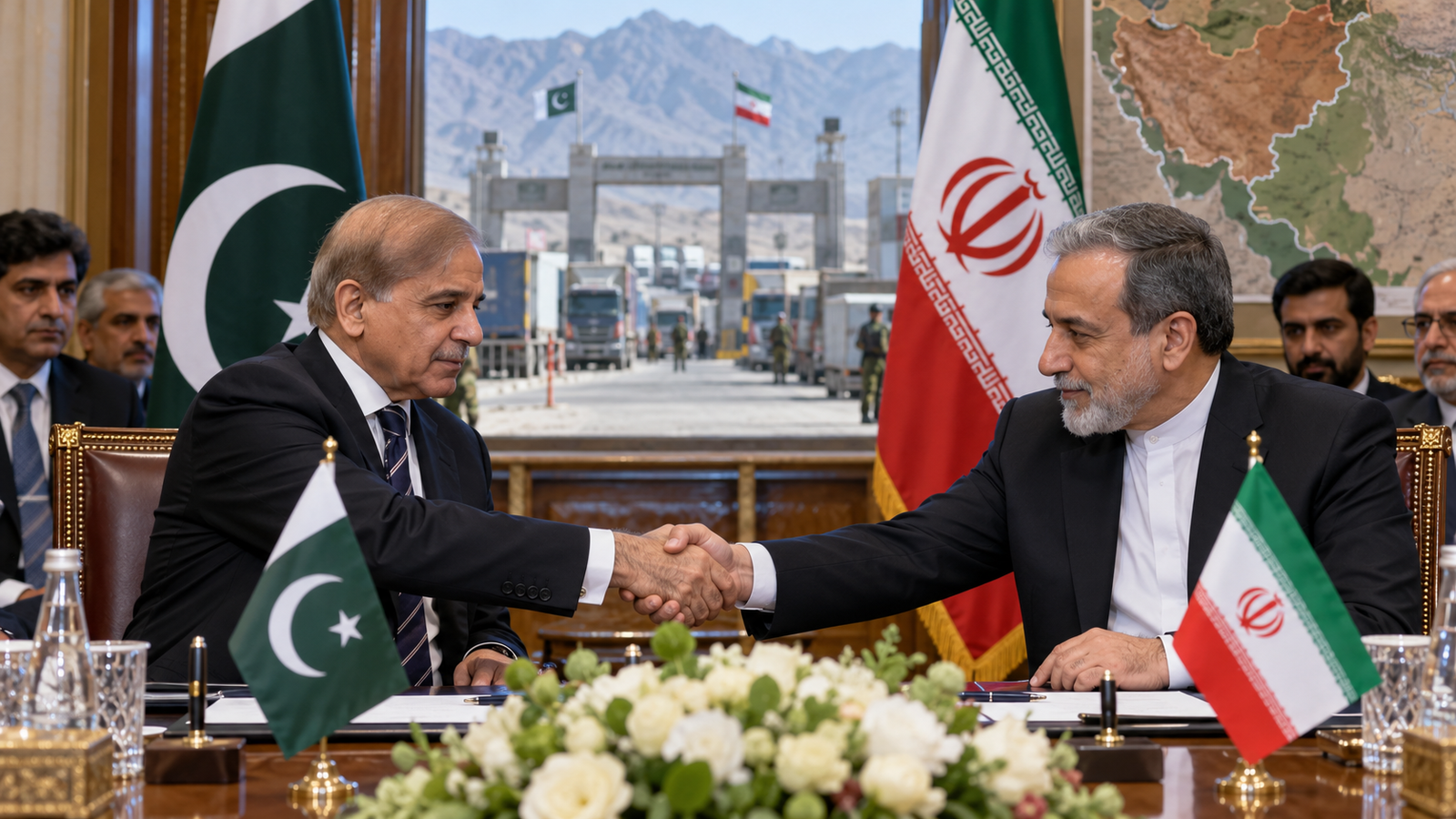
Field Marshal Asim Munir travelled to Tehran accompanied by Interior Minister Mohsin Naqvi, according to the October 21 Express Tribune report. During the visit, the Pakistani delegation met President Masoud Pezeshkian, parliament speaker Mohammad Baqer Qalibaf, foreign minister Abbas Araghchi and senior security official Mohsen Rezaei. The discussions addressed bilateral relations, regional developments and the prospects for reducing tensions involving Iran and the United States.
Reuters, citing Iranian reporting, said President Pezeshkian discussed mediation efforts in a meeting with Munir. The Pakistani visits and Iranian statements indicate an effort to keep diplomatic channels functioning. However, the specific agenda and the outcomes of each meeting should not be conflated with a signed settlement unless official documents establish one.
Pakistan-Iran Border Reopening: What Is Confirmed?
The Express Tribune reported that the border reopened on Tuesday, October 20, after bilateral discussions. Earlier reporting had described temporary suspension of trade corridors amid security and smuggling concerns, with officials offering different explanations for the disruptions. The latest development is therefore important for communities and traders on both sides of the frontier.
A reopening announcement does not guarantee that every border crossing, customs process or cargo route immediately returned to full normal operation. Operational details may vary by location. Importers and travellers should check current border and customs notices before arranging a shipment or journey. The political announcement and the practical restoration of commercial flows are related, but not identical.
Why Does Pakistan’s Role in Regional Diplomacy Matter?
Pakistan maintains diplomatic relations with Iran and the United States, and regional tensions have consequences for its security, energy supply and international trade. Pakistani officials have described their country’s role in contacts between Tehran and Washington as an effort to support regional peace and stability. This position gives Islamabad a reason to remain involved even when its partners hold sharply different views.
A mediation role does not mean Pakistan controls the negotiating positions of either government. It is more accurate to describe Pakistan as facilitating contacts and supporting dialogue than to say it can guarantee an agreement. The effectiveness of any initiative depends primarily on decisions made by the parties in conflict and on changing conditions across the region.
Iran’s Conditions for Talks With the United States
Reuters reported on October 20 that Iranian officials told Munir there would be no negotiations with Washington until Tehran’s demands were met. Iranian accounts described demands involving the lifting of restrictions on oil exports, ending the naval blockade and stopping regional hostilities. Parliament speaker Qalibaf referred to a set of seven conditions linked to restoring trust and reopening the Strait of Hormuz.
Not all of the conditions were reproduced in full in the public reporting reviewed. Their presentation should therefore be attributed to Iranian officials rather than described as universally accepted terms. A government may state preconditions for talks without the other party agreeing to them. The gap between those positions is a key reason the diplomatic outlook remains uncertain.
What Is the US Position?
US officials have maintained concerns about Iran’s nuclear programme and regional security. Reuters reported that Vice President JD Vance called for a substantial reduction in Iran’s uranium enrichment as part of a possible agreement. Washington’s concerns have also included the security of shipping, attacks affecting regional partners and the implementation of any potential arrangement.
Iran has disputed Western allegations that its nuclear programme is intended to produce a weapon. The opposing positions are substantial and cannot be resolved through a single high-level visit. An objective account reports each side’s stated concerns and conditions, with no presumption that an agreement has been reached or that one government alone determines the outcome.
The Earlier Islamabad Memorandum and Its Limits
Pakistan previously helped facilitate an interim diplomatic understanding between Iran and the United States, described in reporting as the Islamabad Memorandum in June 2026. Reuters said the arrangement broke down when hostilities resumed weeks later. This history helps explain both the value and the difficulty of renewed efforts to reopen negotiations.
The memorandum’s collapse does not establish that future diplomacy is futile, just as the October meetings do not prove that peace is imminent. Diplomatic negotiations can advance, pause or reverse as military and political developments change. Reporting should distinguish a procedural contact, a preliminary understanding, a ceasefire and a final settlement.
Regional Conflict and the Strait of Hormuz
The Strait of Hormuz is a strategically important maritime route for global energy shipments. Security incidents, shipping restrictions and uncertainty about the movement of tankers have contributed to oil-market volatility. Reuters reported on October 21 that Brent crude traded around $110 per barrel amid renewed supply concerns, even as investors watched the possibility of diplomatic contact.
Such price figures are time-sensitive snapshots rather than fixed daily or monthly averages. Oil prices can move in either direction in response to conflict news, supply data, shipping conditions and negotiations. Pakistan, as an energy-importing country, has an economic interest in stable trade flows, but the precise effect on domestic fuel prices depends on multiple factors.
Why Border Trade Matters to Pakistan and Iran
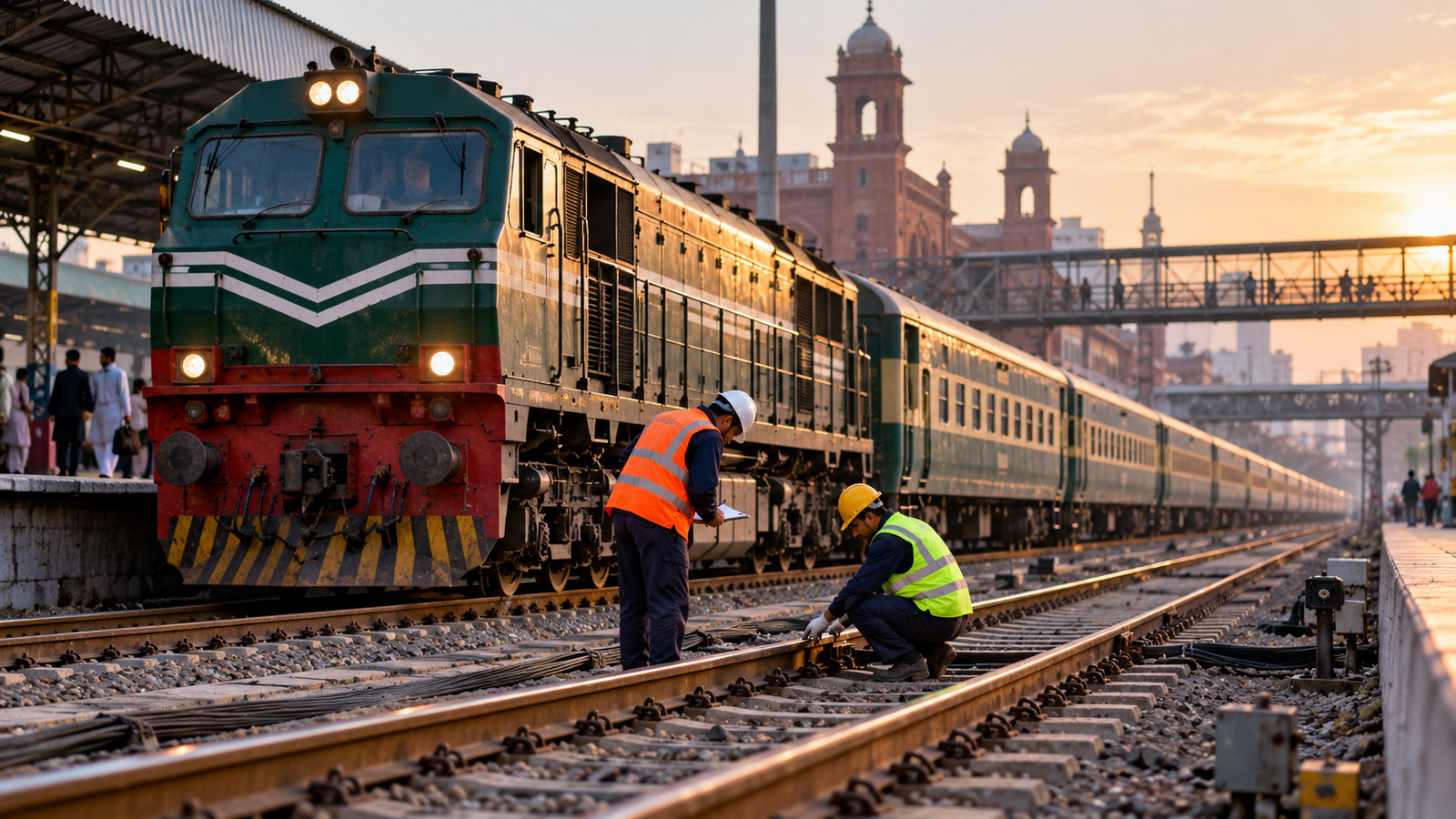
People living and working along the Pakistan-Iran border rely on lawful transportation, commerce and family links. Disruptions can affect traders, freight operators, market supplies and communities that depend on routine crossings. Restoring movement can therefore have immediate practical significance even when wider regional diplomacy remains unresolved.
Border management also involves security, customs enforcement and administrative coordination. Officials may seek to ease trade while continuing checks intended to address smuggling and other concerns. A balanced account recognises the public importance of both predictable commercial access and legitimate border controls, without assuming every temporary closure has the same cause.
The Government and Military Leadership’s Role in the Meetings
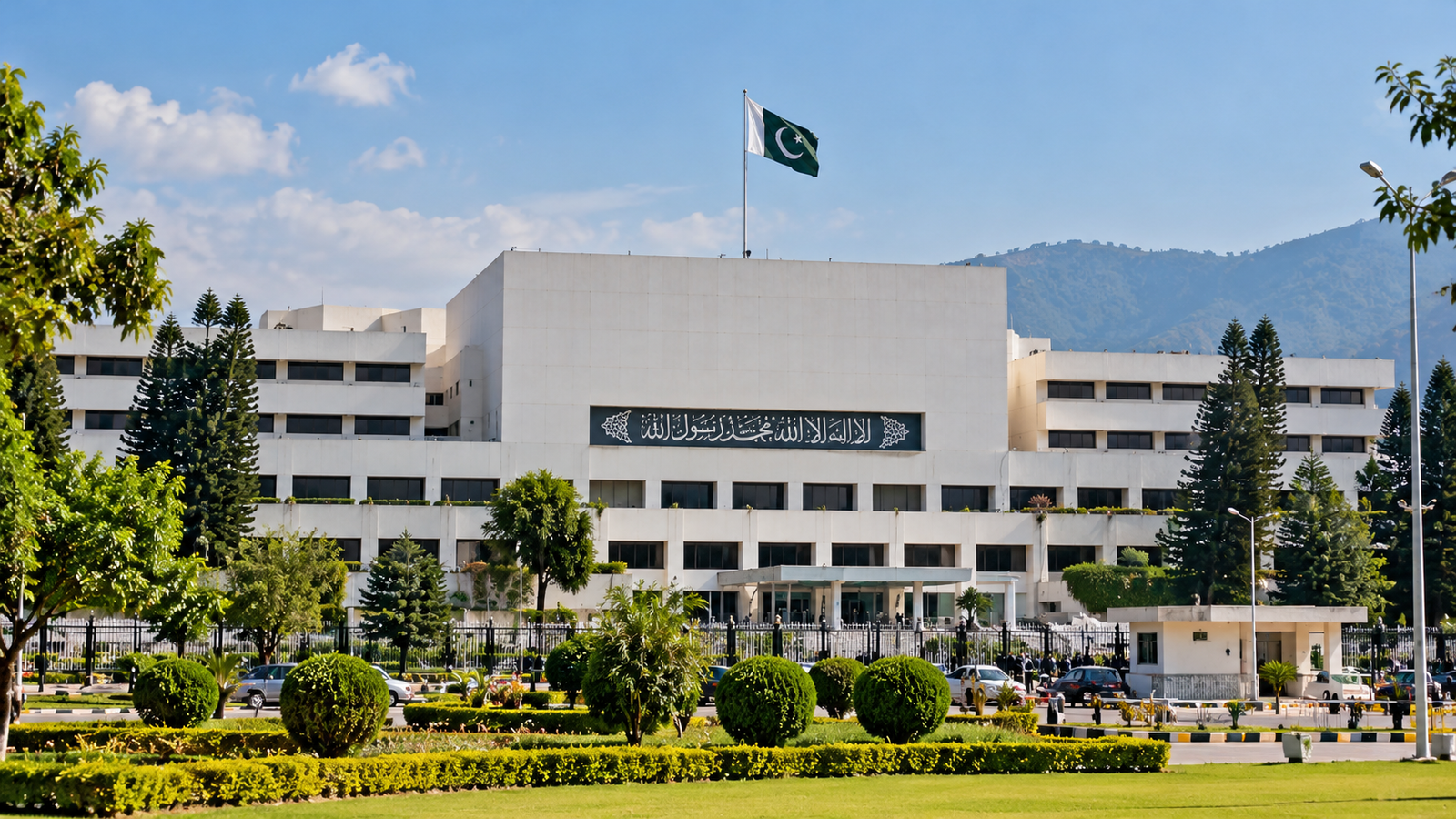
The Tehran visit involved Pakistan’s defence and interior leadership and formed part of official state-level diplomacy. Foreign-policy and security matters often require cooperation between civilian institutions, diplomats and military officials. The public record supports reporting their participation in meetings and the positions communicated during those engagements.
It does not support unsupported claims about internal disagreements, personal motives or secret concessions. Equally, the absence of a final US-Iran agreement is not proof that the visit was ineffective. The appropriate measure for news reporting is to explain what happened, what was stated publicly and which matters have not yet been resolved.
Iranian Leadership’s View of Mediation
Iranian leaders have acknowledged Pakistan’s efforts to facilitate dialogue while continuing to insist on conditions for direct talks with Washington. Reports from Tehran said President Pezeshkian and other officials discussed the conflict and the diplomatic options available. Their public positions reflect the Iranian government’s security and economic concerns during the ongoing confrontation.
Different officials may emphasise different aspects of the same policy. A parliament speaker’s comments on the Strait of Hormuz, a president’s diplomatic statements and a security official’s nuclear-related demands should be attributed individually where possible. Treating these statements as a single negotiated document could lead readers to misunderstand the actual status of talks.
Economic and Business Implications
The talks are relevant to energy markets, cross-border trade, shipping and investor confidence. The reported border reopening may help commercial activity if customs and transport operations resume reliably. At the same time, the absence of a new US-Iran deal means uncertainty about shipping restrictions and oil supply has not disappeared.
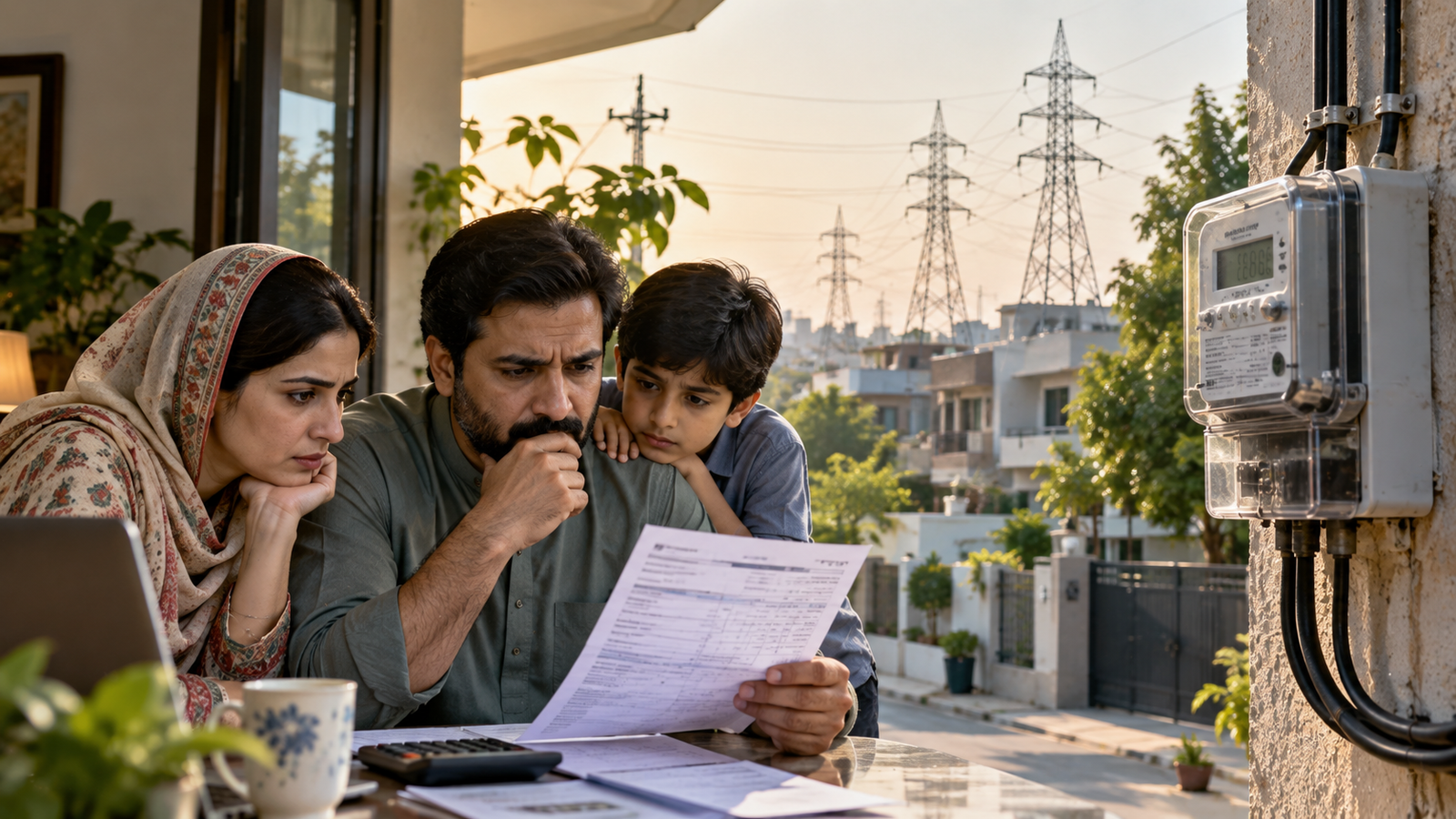
Businesses may monitor official notices from customs authorities, transport companies, regulators and energy suppliers. Speculation that all Iran-linked commerce will immediately normalise would be premature. In particular, previously disrupted LPG and other energy supplies would require actual deliveries and distribution before any improvement could be confirmed in domestic markets.
International Reactions and Regional Balancing
The wider security environment includes the United States, Iran and several neighbouring states affected by shipping disruptions and conflict. Pakistan’s contacts with Tehran take place alongside relations with Gulf countries and Washington. Diplomatic balancing in this setting involves multiple practical interests rather than a simple choice of one side over another.
This article does not assign praise or blame to political or military institutions based on unverified interpretations. Its purpose is to report the meetings, positions and material consequences supported by contemporary sources. Opinions about the merits of individual demands are distinct from the underlying factual developments.
What Remains Unclear After the Meetings?
Several questions remain open: whether Washington and Tehran will authorise another formal negotiating round, whether the sides can narrow differences over sanctions and nuclear activity, and how fully the Pakistan-Iran border will operate in the coming days. No verified final settlement, timetable for renewed direct talks or guaranteed comprehensive restoration of trade has been announced in the reports reviewed.
New developments should be based on official statements, independently corroborated diplomatic reporting and operational announcements. Informal claims of a secret agreement or imminent breakthrough should not be presented as established facts. High-level meetings are important, but they are one stage in a broader process.
What Happens Next?
Any subsequent discussions could involve further contacts among Pakistan, Iran, the United States and other regional intermediaries. Officials may also address practical border arrangements separately from high-stakes diplomatic questions involving security and sanctions. A future advance would be an explicit announcement of agreed steps rather than a general expression of support for peace.
Mukhbir will monitor announcements by Pakistan’s foreign ministry, Iranian government agencies and US officials, as well as credible international reporting. Updates should identify the date of each statement and distinguish proposals from steps already carried out.
Conclusion
Pakistan and Iran held significant talks in Tehran on October 20, 2026, while the Pakistan-Iran border reportedly reopened. Field Marshal Asim Munir and Interior Minister Mohsin Naqvi met senior Iranian officials amid efforts to assess possibilities for reducing the wider regional conflict. Iranian leaders maintained that renewed talks with Washington would depend on conditions that had not yet been accepted by the United States.
The developments show continuing diplomatic engagement, not a completed peace agreement. For Pakistan, the practical stakes include border communities, trade, energy and regional stability. A fair assessment must remain grounded in what the parties have publicly confirmed and avoid attributing unsupported intentions or outcomes to any government, military institution or negotiating partner.
Frequently Asked Questions
When did the latest Pakistan-Iran talks take place?
Senior Pakistani and Iranian officials met in Tehran on October 20, 2026, according to Reuters and The Express Tribune.
Who represented Pakistan during the Tehran visit?
Field Marshal Syed Asim Munir and Interior Minister Mohsin Naqvi took part in the visit and meetings reported by Pakistani media.
Was the Pakistan-Iran border reopened?
The Express Tribune reported that the border reopened on October 20, though operational arrangements may vary by crossing.
Did Iran agree to begin direct talks with the US?
No unconditional agreement to resume talks was reported. Iranian officials said their demands would need to be met.
Did Pakistan broker a new peace agreement?
No new final agreement was confirmed in the reporting reviewed for October 21.
What issues are preventing US-Iran negotiations?
Publicly reported disagreements include sanctions, shipping restrictions, regional hostilities and Iran’s nuclear programme.
Why is the Strait of Hormuz relevant?
The waterway is important to global energy shipping, and disruption can affect international oil markets and importing economies.
Why do the talks matter for Pakistan’s economy?
Border operations and regional energy stability can influence trade, supplies and costs, but their effects depend on practical implementation.
About The Author