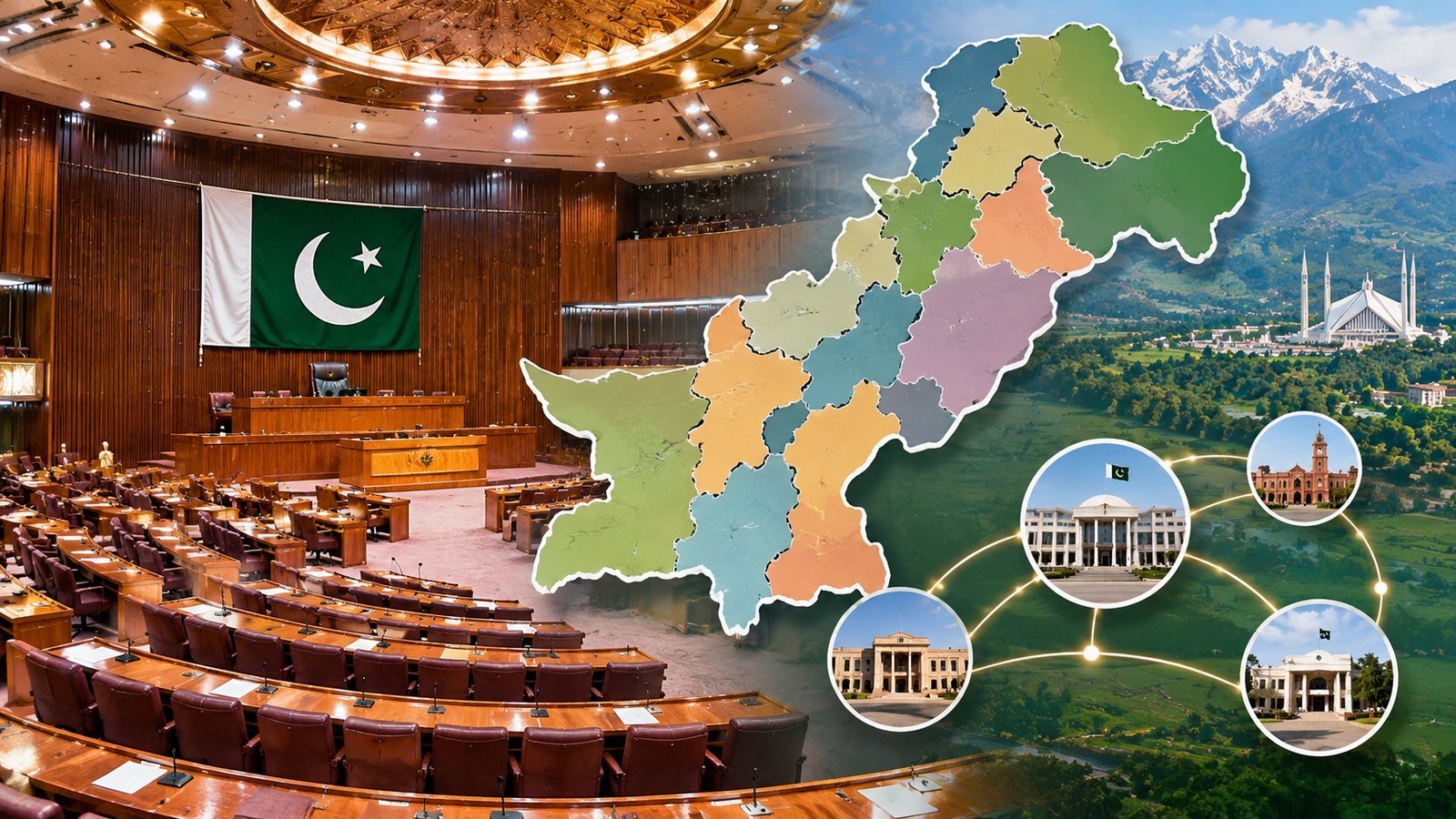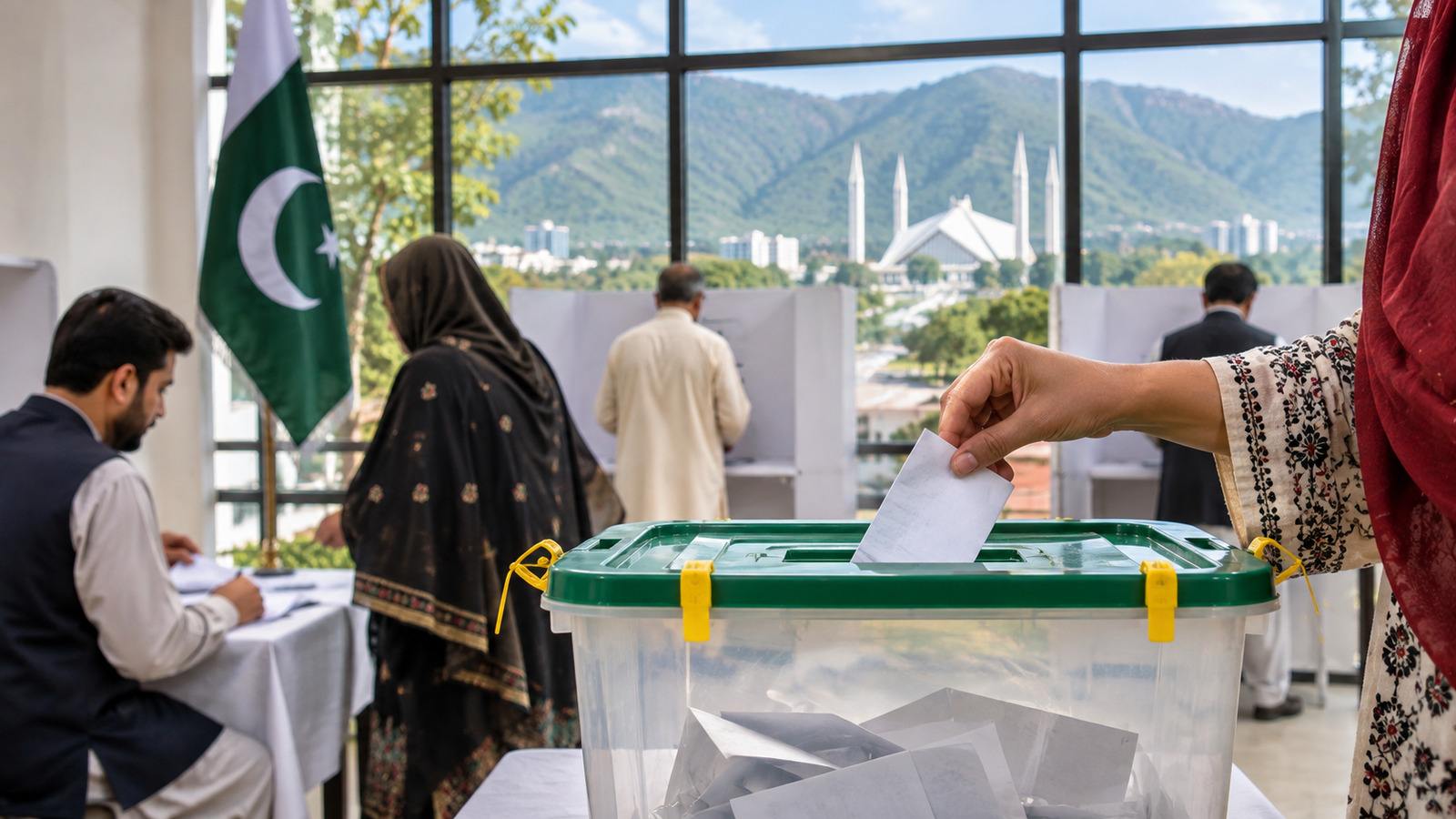
Islamabad local government elections 2026 are scheduled for Sunday, December 20, after the Election Commission of Pakistan (ECP) confirmed that it has procured the necessary election materials and arranged for ballot paper printing. In a meeting chaired by Chief Election Commissioner Sikandar Sultan Raja on November 2, officials reviewed preparations for elections in the Islamabad Capital Territory (ICT) and described the poll body as ready to conduct the electoral exercise. The development was reported by Business Recorder and The News on November 3. The nomination process is already under way, with candidates able to submit papers until November 6. A separate meeting on November 10 will review security and administrative arrangements with officials from the Interior Ministry, Islamabad administration and police. The polling date is therefore not merely a speculative proposal: it is part of an announced ECP election programme, although any subsequent legal or administrative change would require a fresh official update. The long-awaited polls follow years of delays and disagreement over the applicable local government law.
Islamabad Local Government Elections 2026: Quick Facts
Election authority: Election Commission of Pakistan (ECP).
Location: Islamabad Capital Territory (ICT), Pakistan.
Election type: Local government elections.
Announced polling day: Sunday, December 20, 2026.
Nominations period: November 2–6, 2026.
Initial list of candidates: November 7.
Scrutiny of papers: November 9–13.
Appeals against returning officers’ decisions: November 14–18.
Appellate tribunal decisions: November 19–23.
Revised candidate list: November 24.
Final date for withdrawals: November 25.
Election symbol allotment: November 26.
Final official results scheduled: By December 24.
Election material procurement: Reported complete on November 2.
Ballot printing preparations: Reported in place.
Security coordination meeting: November 10, 2026.
CEC: Sikandar Sultan Raja.
Applicable law cited by ECP: Islamabad Capital Territory Local Government Act, 2015, and relevant electoral laws.
Important distinction: Preparations and schedule are confirmed, but polling itself has not yet happened.
What Did the ECP Announce on November 2?
The Election Commission said it had completed procurement of the materials necessary for local government elections in the federal capital and made arrangements to print ballot papers. The announcement followed a briefing to Chief Election Commissioner Sikandar Sultan Raja from the ECP secretariat and relevant officers. According to coverage published November 3, the CEC expressed satisfaction with preparations and directed further coordination with the administration responsible for security. This matters because physical readiness—including election materials and printing arrangements—is separate from the legal debate that has repeatedly delayed Islamabad’s local polls. The statement supports reporting that preparations have advanced; it should not be interpreted as a declaration that voting has already taken place or that every future logistical question is resolved.
What Is the Confirmed Polling Date?
The ECP’s reported election programme sets polling for Sunday, December 20, 2026. The Associated Press of Pakistan also reported that the official electoral process was designed to conclude with final results by December 24. Because this date appears in the election schedule, it is more precise than simply saying that the commission is ‘ready to hold elections’. Nevertheless, election schedules can be altered through lawful official decisions. Readers should follow the Election Commission’s current notifications before taking action close to polling day. This article describes the position reported on November 3, not a guarantee against later court orders, legislation or administrative revisions.
When Can Candidates Submit Nomination Papers?
Candidates began submitting nomination papers on Monday, November 2, according to APP. The announced final day for submission is Friday, November 6. After that, the list of applicants is due to be published on November 7 so the scrutiny process can begin. People seeking to contest should use official ECP forms and follow instructions from the relevant returning officer. Mukhbir does not invent an application fee, eligibility waiver or online registration portal not specified in the reviewed election reports. Candidates should confirm the location, supporting documents and deadlines with the ECP rather than rely on unofficial social media posters.
What Happens After Nominations Close?
Returning officers are scheduled to scrutinise nomination papers from November 9 through November 13. Scrutiny assesses whether the papers comply with the legal requirements applicable to the particular seat or category. A rejection or acceptance is not necessarily the end of the process because appeals are built into the programme. The schedule gives candidates and voters time to understand who may appear on the final ballot. It is important not to confuse this administrative stage with voting or with final election results. A party’s announced nominee may not necessarily remain a final candidate until the relevant nomination, appeal and withdrawal stages are finished.
What Are the Appeal and Withdrawal Deadlines?
Under the reported timetable, appeals against returning officers’ decisions can be filed from November 14 to November 18, while the relevant appellate tribunals are to decide them from November 19 to November 23. The revised candidate list is expected on November 24, and nominations can be withdrawn until November 25. Election symbols are scheduled for allotment on November 26. Each stage matters because candidates may be added, removed or withdrawn before the final contest takes shape. The exact legal procedure for any particular appeal should be checked through official election notices and qualified legal advice rather than inferred from a brief news summary.
Why Is There a Meeting on November 10?
The Chief Election Commissioner has called an ECP meeting for November 10 to review security and associated administrative planning. Business Recorder and The News report that the Interior Secretary, Chief Commissioner Islamabad and Islamabad Police Inspector General have been invited to brief the commission. Their role is to coordinate arrangements relevant to a peaceful electoral process. The announced meeting is not evidence that a security incident has occurred or that voting is expected to be violent. Security planning is a normal aspect of election administration, particularly where multiple institutions must coordinate staff, polling locations and voter movement.
What Does Completing Election Material Procurement Mean?
Election material procurement concerns the items required to organise voting, such as supplies and equipment used by election staff. The ECP reports that all required materials had been procured, and that ballot printing arrangements had been completed or finalised. This is a meaningful operational milestone following uncertainty over the legal framework. But material readiness alone does not establish which candidates will be eligible or how an individual constituency contest will end. Voter lists, polling-station assignments, the final candidate list and security arrangements remain separate administrative subjects. Readers should treat the commission’s statement as an update on preparedness rather than a prediction of voting outcomes.
Why Have Islamabad Local Government Elections Been Delayed?
Islamabad’s last elected local government completed its term in February 2021. Attempts to conduct a new election have faced changes to the legislative framework, delimitation processes and other legal or administrative difficulties. Earlier in 2026, the government promulgated an amendment ordinance proposing a different municipal structure. That ordinance later expired before a permanent replacement law was enacted. The ECP eventually directed its secretariat to proceed under the applicable existing legislation. Describing the delays does not require attributing illegal intentions to any political party or public institution. The key facts are the sequence of proposed changes, the lapse of the ordinance and the commission’s eventual election programme.
What Happened to the Islamabad Amendment Ordinance?
The Islamabad Capital Territory Local Government (Amendment) Ordinance, 2026 was promulgated in January and created a framework for changes to the capital’s local government system. Business Recorder reports that the ordinance was extended in May but expired on September 6 after the required legislation was not enacted in time. The government’s proposed replacement bill was considered by a parliamentary committee, but it was not taken up and passed by both houses before the relevant November reporting. As a result, the ECP moved forward under the local government legislation legally in force. An unpassed draft bill should not be presented as the operating electoral system.
How Does the 2015 Local Government Act Fit In?
The ECP’s five-member bench, chaired by Sikandar Sultan Raja, issued an October 21 order directing the election programme to be prepared under the Islamabad Capital Territory Local Government Act, 2015, as legally in force, together with the Elections Act, 2017, and applicable rules. That decision provided the basis for renewed election scheduling. The October ruling also cited constitutional provisions concerning election administration and local government. Because the 2026 amendment ordinance had expired, a significant issue was which existing law governed the poll. The commission’s reported decision sets out the framework it intended to apply rather than treating the earlier proposed municipal restructuring as automatically enacted.
What Changes Had the Government Proposed?
The proposed ICT Local Government (Amendment) Bill, 2026 sought a model involving three town corporations, each headed by a mayor and two deputy mayors. Such a structure would differ from the earlier local government arrangements in the capital. However, the bill had not completed the parliamentary process by the time of the November 3 reporting. For that reason, Mukhbir distinguishes proposals for a future local government structure from the election rules currently being applied by the ECP. Explaining both is useful for voters, but publishing the proposed model as an approved new system would misrepresent the legislative status.
What Is Delimitation and Why Was It Important?
Delimitation is the process of defining electoral boundaries or constituencies according to the applicable legal requirements. The ECP began an exercise in July 2026 under the amendment ordinance and reportedly completed it by October 14. When the legal basis changed after the ordinance expired, questions arose over the use of those boundaries. The ECP’s decision to proceed under the existing law meant that some work prepared for the proposed structure would not govern the current poll in the manner originally envisaged. Voters should check the official final constituency and polling-station information rather than assume that every previously circulating map remains valid.
What Does Local Government Do?
Local government represents residents at a level closer to neighbourhoods and communities than the federal parliament. Depending on the law and administrative arrangements, local institutions can address municipal matters, neighbourhood services, community concerns and local development priorities. Their exact powers and financial resources vary by legal framework. Islamabad’s local government system has been debated because the division of responsibilities among municipal institutions, the capital administration and other federal bodies can be complicated. The upcoming election creates an opportunity for residents to choose local representatives, but the powers of those representatives depend on the legislation ultimately applicable to the institutions.
Why Do These Elections Matter to Islamabad Residents?
Residents often raise problems involving roads, waste collection, street lighting, water, parks and neighbourhood planning. Local elected representatives may provide another channel for those concerns to reach public institutions, although they do not control every service in the capital. The absence of an elected local government since 2021 has made the restoration of local democratic representation a subject of public interest. Elections alone will not automatically fix infrastructure or services, but they establish a representative process for selecting local officials. Voters can evaluate candidates on practical community priorities rather than relying solely on national political controversies.
Which Political Parties Are Participating?
Dawn reported on October 28 that Pakistan Tehreek-e-Insaf’s Islamabad organisation had decided to contest the December 20 elections, with regional leadership asking local teams to file nomination papers across the relevant constituencies. Other political parties and independent candidates may also participate according to the final nomination process. However, this article does not invent complete party lists, candidates or seat allocations that have not yet been finalised. Participation announcements should be reported as parties’ own positions, while the authoritative candidate list will follow ECP scrutiny, appeal and withdrawal procedures. Neutral reporting should not imply endorsement of any contestant.
What About the PTI Announcement?
According to Dawn’s October 28 report, PTI’s Islamabad leadership instructed its organisations to prepare nominations for the polls, citing an intention to compete across local areas. That is relevant as a concrete example of a party responding to the election schedule. The announcement does not determine who will win and does not establish that every initial nominee will appear on the final ballot. Mukhbir’s reporting should give the same evidentiary treatment to any other party’s documented participation without making claims about their popularity or motives that are unsupported by a poll or official record. Election coverage should prioritise the rules, dates and verified positions of participants.
Is This Connected to National General Elections?
No. The Islamabad local government elections are a separate exercise from elections to the National Assembly or provincial assemblies. Their purpose is to select local representatives under the governing municipal framework. The December 20 schedule does not announce a new general election, a dissolution of parliament or a change of national government. Readers may see simultaneous political debates about electoral reform committees and leadership of the Election Commission, but those questions should not be merged into a claim that nationwide general elections have been called. Mukhbir reports the federal capital’s local polling timetable as its own development.
What Is the Election Commission’s Role?
The Election Commission of Pakistan is responsible for organising and administering elections within the functions assigned by the Constitution and relevant legislation. In this case, the ECP has issued the programme, reviewed preparations and asked other public institutions to assist with security and administration. The commission’s decisions may also be scrutinised through lawful legal procedures. Reporting its announced readiness does not mean endorsing every administrative choice, just as discussing delays does not establish wrongdoing. The most useful information is what the commission has formally scheduled and what steps voters and candidates can take under its instructions.
What Should Candidates Do Before November 6?
Prospective candidates should review the official ECP notice, identify the applicable local seat and returning officer, collect the required nomination documents and submit them before the stated deadline. They should also monitor the publication of the candidate list and scrutiny dates. The article cannot verify an individual’s eligibility, outstanding legal obligations or exact fee from the general news reports alone. Those details should come from the relevant forms and current regulations. Applicants should avoid paying intermediaries who offer guaranteed nominations or election symbols. The ECP timetable provides an orderly process, not a mechanism for obtaining political positions by paying third parties.
How Can Voters Prepare for December 20?
Eligible residents should check their voter-registration details and polling information through the Election Commission’s official channels when available. They should verify the correct constituency and polling station and review the final candidate list after nominations, scrutiny and withdrawals are completed. Voting requirements and identification documents must be determined from the ECP’s current instructions. Mukhbir does not invent a special online ballot service or claim that votes can be submitted through a social-media link. Voters should be cautious of forwarded messages that confuse the local election with other polls or use unofficial lists of candidates.
Why Election Security Planning Matters
Election security planning is intended to protect voters, election workers, candidates and the overall process. The ECP’s November 10 meeting with Islamabad police and administrative leaders will provide an opportunity to assess the arrangements required for the scheduled poll. The meeting is important because election operations depend on cooperation among institutions with different responsibilities. It would be irresponsible to infer that specific threats have been confirmed merely because security officials are being consulted. A professional news report distinguishes routine preventive planning from a verified incident and reports any later concerns only with accurate attribution and evidence.
How Should News Outlets Report the Schedule?
The current confirmed sequence is nominations until November 6, scrutiny November 9–13, appeals and decisions through November 23, final list and withdrawals on November 24–25, symbol allotment on November 26 and voting on December 20. These dates should appear consistently in the headline, quick-facts section and FAQs where relevant. If the ECP changes the programme, any update should identify the new official notice and publication date rather than silently replacing an earlier schedule. Correct dates are particularly important in election reporting because readers may take concrete steps based on them. An inaccurate deadline can cause genuine inconvenience.
Why Neutral Political Coverage Is Necessary
The news involves the ECP, government institutions and political parties, each with different roles. The electoral commission administers the poll, parliament considers proposed laws and political groups nominate candidates. Describing a legal dispute or delay does not establish bad faith by any institution or party. The article attributes reported positions and avoids making unverified claims about manipulation, secret deals or responsibility for past delays. Balanced reporting does not require ignoring verified procedural facts; it requires separating them from partisan interpretations. Mukhbir’s goal is to provide accurate information useful to voters of all political preferences.
What Are the Remaining Administrative Steps?
Although material procurement and ballot-printing preparations are reported complete, the ECP still has nomination, scrutiny, appeals, candidate-list, symbol-allotment and security-coordination stages to carry out. The quality of preparation will depend on completing these tasks as scheduled. Government and police representatives are expected to participate in the November 10 briefing. Any changes to logistics or arrangements should be verified through dated ECP releases. No credible report reviewed for this article says election results have already been determined or that polling has begun. The commission’s declaration of readiness should therefore be presented alongside the work that remains.
Why December 24 Is Also Important
The reported election programme anticipates final official results by December 24, four days after the scheduled poll. This date is a projected administrative milestone, not a declaration of the outcome. Individual contests may be subject to rules concerning counting, consolidation and lawful challenges, so news outlets should distinguish unofficial trends from final ECP notifications. The public should look to the election authority for authenticated results. Claims of a party’s victory before ballots are cast are unsupported, and social-media graphics purporting to show future tallies should be treated as misinformation.
Could the Law Change Before Voting?
The history of the ICT local government framework illustrates how legislation can affect election administration. Parliamentary consideration of amendments may continue, and courts or the ECP could address legal questions if they arise. However, the current election programme is grounded in the framework cited by the commission in its October 21 decision. Mukhbir will not predict that the December 20 date must be postponed or that the proposed three-town model has automatically become law. Any change would require authoritative evidence such as enacted legislation, an ECP notice or a relevant judicial order. Until then, the existing published timetable should guide reporting.
What Happens Next?
The immediate milestones are submission of nomination papers by November 6 and the ECP’s November 10 meeting on election security. Scrutiny and appeals will then narrow the field before the allocation of election symbols on November 26. Candidates and voters will have a clearer picture of the final contests once these steps are complete. Polling is scheduled for December 20 and results are due by December 24. Readers should monitor the ECP for updates to polling stations, rules and deadlines. Those official announcements, rather than rumours about party strategies or possible legal disputes, will determine the practical next steps.
Conclusion
Islamabad local government elections 2026 have moved into an active election schedule, with the ECP reporting that materials and ballot-printing preparations are in place. Polling is scheduled for Sunday, December 20, nomination papers are due by November 6 and the commission will review security arrangements on November 10. The progress follows years without an elected local government in the federal capital and legal uncertainty surrounding a 2026 amendment ordinance that expired before replacement legislation was enacted. Voters and candidates should follow official ECP instructions as the process continues. This article reports the confirmed schedule and preparation status without predicting election results or endorsing any political party.
Frequently Asked Questions
When are Islamabad local government elections scheduled for 2026?
The Election Commission of Pakistan has scheduled polling for Sunday, December 20, 2026.
What is the deadline for submitting nomination papers?
Candidates can submit nomination papers through November 6, 2026, under the ECP’s election programme.
When will nomination papers be scrutinised?
The announced scrutiny period is November 9 to November 13, 2026.
When will election symbols be allotted?
The ECP schedule calls for symbol allotment on November 26, after the withdrawal stage.
What will happen at the November 10 ECP meeting?
The commission will review security and administrative arrangements with officials from Islamabad’s administration, the Interior Ministry and police.
Has the ECP completed election preparations?
The ECP reports election materials have been procured and ballot-printing arrangements are ready, while other electoral stages remain.
Why were Islamabad local government elections delayed?
The process encountered repeated legal and administrative issues, including changes to the local government framework and the expiry of a 2026 amendment ordinance.
When are final official results expected?
Under the current programme, final official results are scheduled to be announced by December 24, 2026.
About The Author