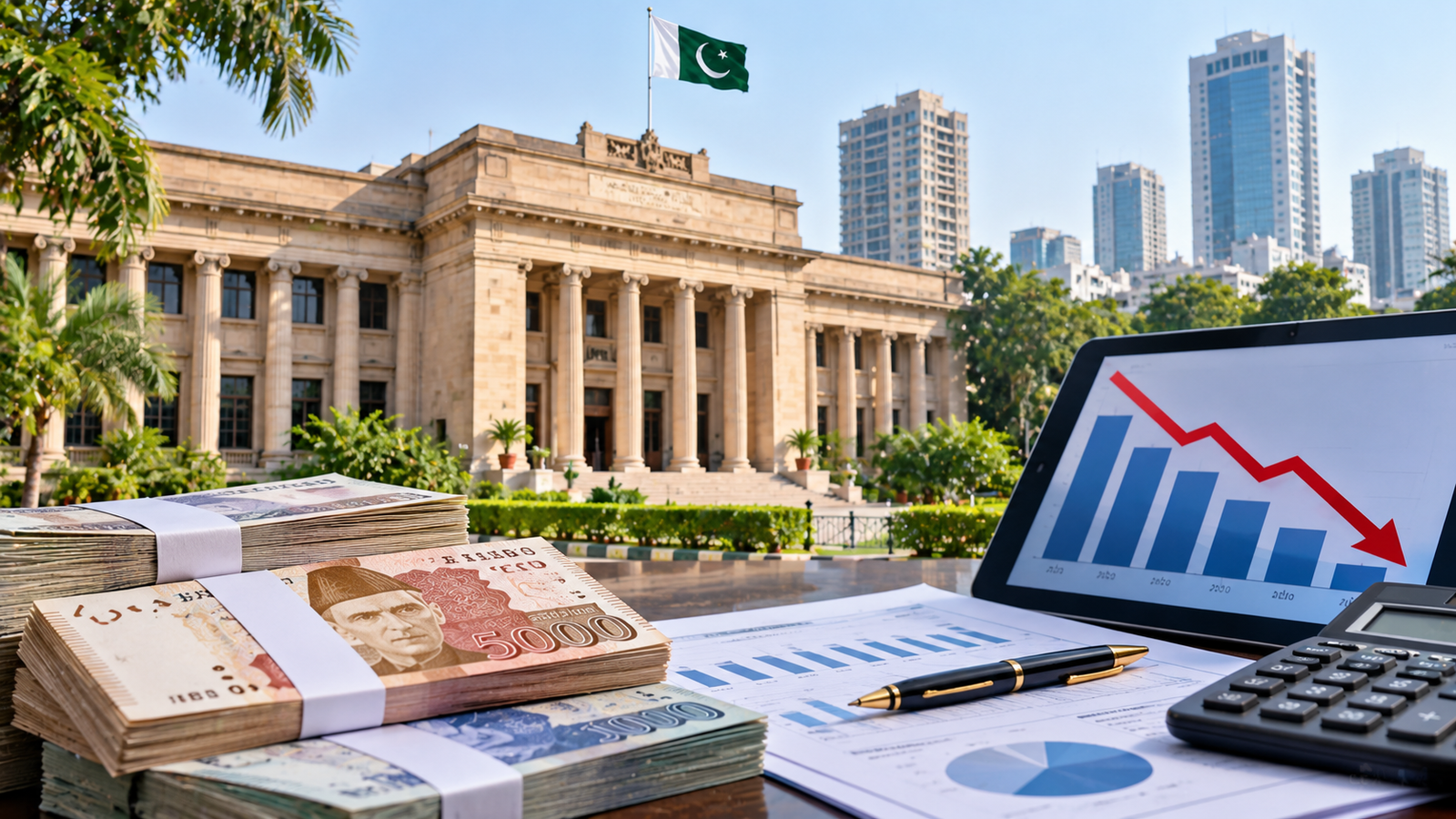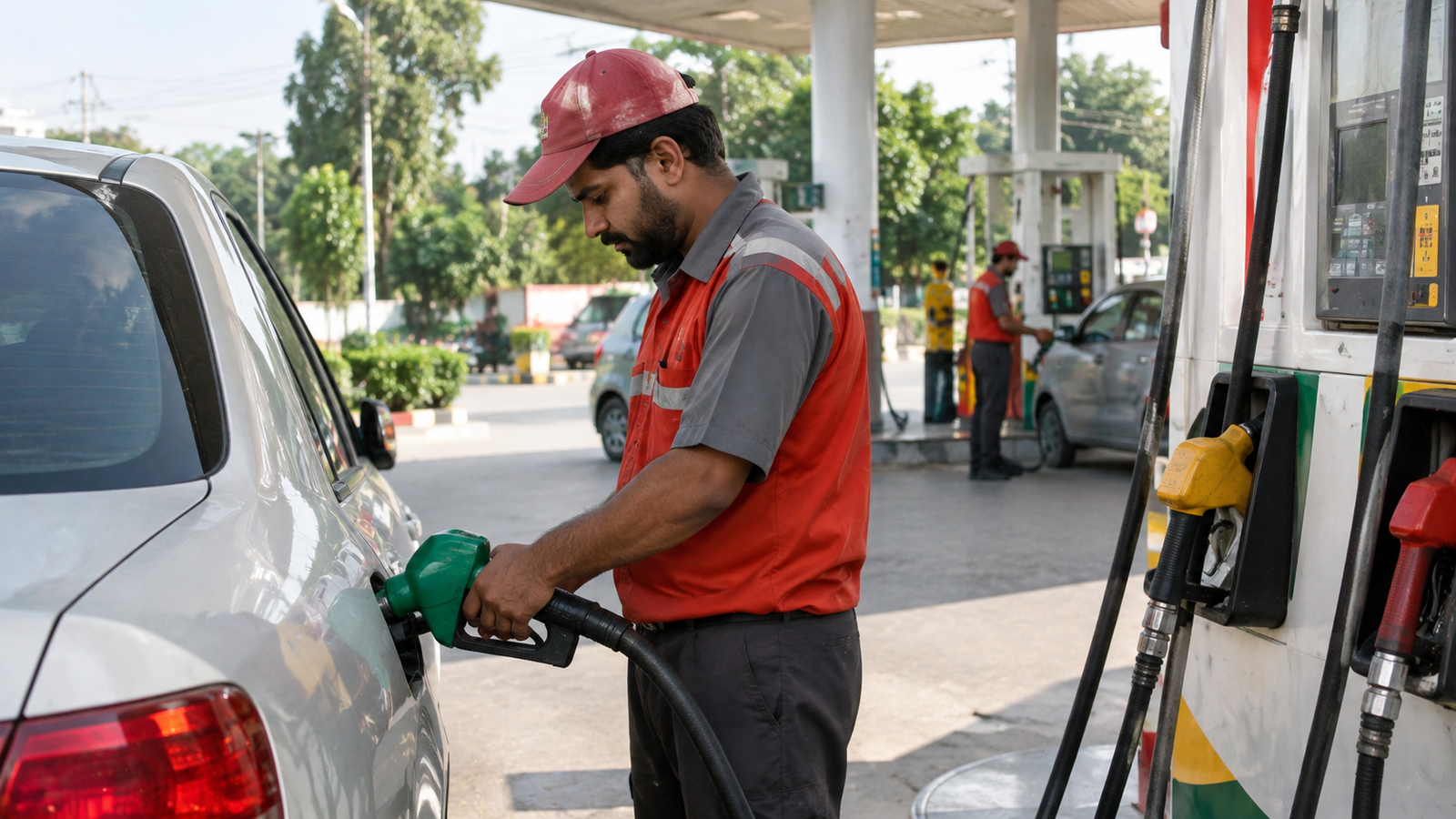
The petrol price in Pakistan November 2026 has been reduced, providing motorists and transport operators with some relief as the latest fuel rates take effect on Tuesday, November 3. The Oil and Gas Regulatory Authority (OGRA) announced a cut of Rs3.40 per litre in motor spirit, commonly called petrol, taking the ex-depot price from Rs377.91 to Rs374.51. High-speed diesel (HSD) was reduced by Rs7.76 per litre, from Rs402.96 to Rs395.20. The new prices were announced on Monday, November 2, and became effective on November 3 under the federal government’s petroleum pricing mechanism. The figures were confirmed by the state-run Associated Press of Pakistan, Dawn and other news outlets citing OGRA. While lower prices can modestly reduce the cost of travel, transport and some commercial operations, the size of the benefit depends on actual fuel consumption. Diesel remains more expensive than petrol under the revised rates, and neither reduction guarantees an immediate drop in bus fares, grocery prices or other household expenses.
Petrol Price in Pakistan November 2026: Quick Facts
Date of announcement: Monday, November 2, 2026.
Effective from: Tuesday, November 3, 2026.
Regulator: Oil and Gas Regulatory Authority (OGRA).
Official pricing mechanism: Federal government petroleum products pricing mechanism.
New petrol price: Rs374.51 per litre.
Previous petrol price: Rs377.91 per litre.
Petrol reduction: Rs3.40 per litre.
New high-speed diesel price: Rs395.20 per litre.
Previous high-speed diesel price: Rs402.96 per litre.
Diesel reduction: Rs7.76 per litre.
Petrol percentage reduction: Approximately 0.90%.
Diesel percentage reduction: Approximately 1.93%.
Savings on 40 litres of petrol: Rs136 compared with previous rate.
Savings on 50 litres of diesel: Rs388 compared with previous rate.
Publication date: November 3, 2026.
Important distinction: Figures represent the notified price revision, not evidence that every business has already passed savings on to consumers.
What Are the New Petrol and Diesel Prices?
OGRA’s November 2 announcement fixed the petrol ex-depot price at Rs374.51 per litre, compared with Rs377.91 before the revision. The corresponding high-speed diesel price is Rs395.20 per litre, down from Rs402.96. Both changes are effective from November 3, 2026. The decrease is larger for diesel in both rupee and percentage terms. The revised figures were confirmed in the official OGRA press release as reported by APP and independently repeated by Dawn and Aaj News. Motorists should distinguish these national notified figures from optional premium fuel products, delivery arrangements or services that can carry separate charges. Future revisions can change the price again, so the date is essential when using this article as a reference.
When Did the Government Announce the Reduction?
The announcement was made on the evening of Monday, November 2, for prices effective Tuesday, November 3. This timing is important because news reports may carry a November 2 publication date while describing the November 3 price at the pump. A reader looking at a report from October 31 may encounter the preceding rates and assume there is a contradiction. There is no contradiction if the validity period is made clear. OGRA stated that the update was determined under the federal government’s pricing formula. The relevant facts are the date the regulator communicated the change, the date it became applicable and the amount of each adjustment.
Why Did Petrol Become Cheaper?
OGRA and contemporaneous reporting linked the price revision to developments in global petroleum markets and components of the official pricing mechanism, including international benchmark quotations, premiums and incidentals. Oil prices can change when geopolitical events, supply expectations and trading conditions shift. The government also discussed refinery-related arrangements in a separate November 2 briefing, but those policy comments should not be confused with the entire calculation behind the specific retail price reduction. It would be misleading to claim that one political announcement alone explains every rupee of the change. The verified outcome is a Rs3.40 petrol reduction and a Rs7.76 diesel reduction under the stated pricing process.
How Much Will a Petrol Car Owner Save?
Savings depend on the number of litres purchased at the newly notified rate compared with the previous rate. At Rs3.40 less per litre, 10 litres cost Rs34 less, 20 litres cost Rs68 less and a 40-litre refill costs Rs136 less. A 50-litre purchase would save Rs170. These are straightforward comparisons that assume the driver buys the same quantity at the two notified prices and do not include unrelated station fees. A person filling only a small motorcycle tank will see a much smaller rupee benefit than a business using many litres per day. The reduction can help, but its limited size should not be exaggerated as a dramatic transformation of household finances.
How Much Will Diesel Users Save?
The high-speed diesel reduction is Rs7.76 per litre. For a customer buying 10 litres, that represents Rs77.60 of savings compared with the previous price. A 30-litre purchase costs Rs232.80 less, while a 50-litre purchase costs Rs388 less. A fleet operating several vehicles may benefit from more total savings if it buys substantial volumes. Yet fuel is only one component of a transport company’s operating expenses; wages, tyres, repairs, financing and other costs still matter. The notified price is also still Rs395.20 per litre, so diesel remains a considerable expense for many businesses and commercial vehicle operators.
Why the Diesel Price Matters for Pakistan’s Economy
High-speed diesel is widely used in freight and commercial transport and can be relevant to agricultural machinery and other economic activity. A lower diesel rate can help reduce immediate fuel costs for businesses that consume it. Whether a reduction reaches households through cheaper goods depends on logistics contracts, competition, operating costs and the duration of lower fuel prices. A cut in the diesel price does not automatically cause a proportional drop in the price of wheat, vegetables or retail goods. The link between fuel and the wider economy is important, but actual consumer benefits should be evaluated through observed transport charges and market prices rather than assumed from the notification alone.
Will Bus and Transport Fares Decrease?
A fuel-price reduction may provide grounds for transport operators and regulators to review fares, especially where fuel forms a substantial portion of operating costs. However, a new OGRA fuel rate does not itself amend every public transport fare, ride-hailing price or freight contract. Transport tariffs may be set by regional authorities or commercial providers, and adjustments can be influenced by multiple operating expenses. Mukhbir has not verified a nationwide fare-reduction order resulting from the November 3 fuel change. Passengers should check the current official or operator-issued fare schedule for their route rather than assume that a particular percentage decrease has already taken effect.
What Is OGRA’s Role in Petroleum Pricing?
The Oil and Gas Regulatory Authority is an important institution in Pakistan’s regulated energy sector. For this revision, OGRA announced the ex-depot prices under the petroleum-products pricing mechanism established by the federal government. Its public communication provides the figures and date that news outlets and consumers can use. The underlying price incorporates a number of market and policy components, so the cost of the fuel itself is not the only amount reflected in the notified rate. Reporting should distinguish the regulator’s published decision from a retailer’s optional service or an unrelated fuel product. For later dates, a fresh OGRA notice should supersede older price articles.
What Does Ex-Depot Price Mean?
An ex-depot price is the notified price at a specified stage of the petroleum supply chain rather than an all-purpose measure of every transportation, delivery or premium service charge. Official press releases often use this terminology when announcing price adjustments. For readers, the most useful fact is the rate and validity date that apply to the relevant fuel category. A local station may display additional product names or premium grades whose prices differ from the standard motor spirit and high-speed diesel quotations. Consumers should compare like with like: standard petrol should be compared with standard petrol, not high-octane variants or specialised commercial contracts.
Why Petrol and Diesel Prices Change Frequently
Petroleum prices are affected by international crude and refined-product markets, freight, exchange rates, domestic taxes and policy decisions. Changes in supply or expectations about demand can move benchmark prices over relatively short periods. Pakistan’s current system has included more frequent price adjustments than the traditional fortnightly pattern during parts of 2026. This means a rate listed in a recent social media post may already be outdated. The correct approach is to identify the notification date and effective period. Consumers, journalists and businesses should avoid presenting an old price as today’s rate simply because it was widely shared online.
What Did International Oil Markets Do on November 2?
Aaj English reported that international oil prices dropped sharply on November 2 as diplomatic developments involving Iran and Qatar raised expectations that regional supply disruptions could ease. Its market coverage cited a decline of roughly six percent in benchmark crude futures during the reported trading period. Such market movements provide context, but a same-day futures quote is not identical to the refined-product benchmark used for local pump-price calculations. Exchange rates, pricing windows and other components can affect the final notified rate. It would therefore be too simple to say that a six-percent international oil decline must yield a six-percent decrease at Pakistani petrol stations.
How Does the Rupee Exchange Rate Matter?
Pakistan purchases substantial quantities of energy products in international markets, where prices are commonly quoted in foreign currencies. Movements in the rupee’s exchange rate can influence the local cost of imports, even when global prices are unchanged. The precise effect depends on purchasing arrangements, the currency and timing of settlement, and the official calculation method. This article does not claim a particular new exchange rate caused the November 3 reduction because that was not established in the reviewed OGRA press release. The broader point is that local fuel prices reflect both international commodity prices and domestic pricing conditions.
Do Taxes and Levies Disappear When Petrol Prices Fall?
No. The November 3 reduction does not mean that taxes and duties on petroleum products have been abolished. Dawn’s report said government taxes and duties remained a substantial component of the notified prices, citing around Rs114 per litre on petrol and Rs100 per litre on diesel under the relevant contemporary description. The exact composition of these amounts can differ according to terminology and the official price build-up, so users should not conflate the combined burden with one single levy. A lower final price can occur even while taxation continues. An updated official breakdown is needed before quoting each individual tax component or predicting future policy changes.
What Is the Difference Between Petrol and High-Speed Diesel?
Petrol, officially referred to as motor spirit in many government notices, is used in many cars and motorcycles with spark-ignition engines. High-speed diesel is used in diesel-powered vehicles, including numerous trucks, buses and commercial units. Their markets, refining costs and taxes can differ, which explains why their prices are not identical. The November 3 figures show diesel at Rs395.20 per litre and petrol at Rs374.51. Motorists should always use the fuel recommended for their vehicle. A lower pump price for one product does not make it interchangeable with another, and putting the wrong fuel into an engine can cause damage.
How Do the Rates Affect Motorcycle Riders?
Many motorcycle riders rely on petrol for daily commuting and smaller deliveries. Because motorcycles typically have smaller fuel tanks than cars, the rupee saving on an individual refill will be limited. For example, buying five litres of petrol would cost Rs17 less than before the revision, while 10 litres would cost Rs34 less. Repeated savings over time may still matter to people travelling regularly for work or education. The actual benefit depends on riding distance and fuel efficiency. The price announcement does not establish that all motorcycle operating costs have fallen, because maintenance, repairs and other household expenses remain independent of the petrol rate.
How Could Farmers Be Affected?
Farm operations may use diesel-powered tractors, pumps and transport vehicles, making the diesel price important in some agricultural settings. A Rs7.76-per-litre reduction can lower fuel spending for an operation that purchases substantial quantities, but it does not guarantee cheaper fertiliser, labour or machinery. Farms differ in their energy sources, irrigation arrangements and dependence on road transport. Diesel prices are also only one part of total production expenses. Any claim that food prices will fall by a specific amount because of this revision would require additional evidence on transport, crop markets and retailer responses. The direct confirmed change is the lower notified diesel price.
Will Grocery Prices or Inflation Fall Immediately?
Not necessarily. Fuel contributes to transportation and production costs, but grocery prices are affected by many inputs, including supply, demand, weather, imports, exchange rates and storage expenses. Some logistics operators may pass fuel savings through gradually, while others may be operating under pre-existing contracts. Inflation measures broad price changes over time and cannot be inferred from a single day’s fuel notification. The November 3 reduction is a potentially helpful development for some cost pressures, but it would be inaccurate to state that it has already reduced the national inflation rate or reversed all earlier increases in essential goods.
What About Kerosene and Light Diesel Oil?
Some market trackers displayed kerosene and light diesel oil rates from a previous notification alongside the November 3 petrol and high-speed diesel changes. However, the OGRA announcement independently confirmed here specifically provides the new petrol and HSD rates. Other product figures should not be presented as newly changed on November 3 unless their own notification has been checked. Kerosene and light diesel oil have different uses and regulatory pricing histories. For a consumer seeking those products, the right source is the latest product-specific official notice, not an assumption based on the petrol headline.
How Do These Prices Compare With the Previous Revision?
The immediately preceding reported petrol price was Rs377.91 per litre and the previous high-speed diesel price was Rs402.96. The November 3 update reduced both products from those baselines. Historical price tables show that diesel had recently moved upward while petrol had remained unchanged in a late-October revision. This illustrates the volatility of fuel prices across short periods. It is better to compare specific effective dates than to use a broad claim such as ‘petrol has become cheapest this month’ without looking at the full series. Mukhbir’s central comparison is the verified old and new rate published by OGRA and APP.
What Does the Government Say About Refineries?
At a November 2 press conference in Islamabad, Petroleum Minister Ali Pervaiz Malik and Information Minister Attaullah Tarar discussed oil-refinery output and arrangements described as offering consumers relief. Dawn reported a claim that refineries would bear a burden estimated at approximately Rs15 billion a month while enabling petrol to be supplied below what ministers described as global-market-related costs. These are attributed government statements, not an independently audited final calculation of all refinery costs. Readers should distinguish the briefing from OGRA’s separately confirmed exact price notification. Further details would be needed before drawing conclusions about the long-term sustainability of those arrangements.
What Is the Business Impact of Lower Fuel Costs?
Businesses that operate delivery fleets, service vehicles or other fuel-intensive equipment may see lower immediate purchases at the revised prices. The size of the reduction depends on their actual consumption and whether they buy petrol or diesel. Firms with contractual transport arrangements may not benefit instantly, and unrelated costs could offset part of the savings. Small retailers and service businesses can calculate the direct difference from litres purchased rather than rely on vague forecasts. The policy change does not guarantee increased profits for every company, nor does it demonstrate a particular change in national industrial output. It represents one input-cost adjustment in a broader economic environment.
Could the New Rate Affect Ride-Hailing Services?
Drivers using petrol-powered cars or motorcycles may save some fuel expenditure after November 3. Ride-hailing fares, however, may be calculated from distance, demand, platform fees, time and other factors. A fuel price reduction does not automatically force an application to change its published fare model. Customers might experience different prices depending on service availability and market conditions. Without a dated announcement from a particular company or regulator, Mukhbir cannot report a confirmed new fare table. The reliable takeaway is that the underlying fuel cost has declined, while individual transport prices require separate verification.
How Should Consumers Verify a Petrol Station’s Rate?
Consumers should look at the displayed price for the fuel grade being purchased and compare it with the latest applicable official notification. They can also check the pump display and receipt for the number of litres delivered and the amount charged. Premium fuels and additional services may be priced differently from standard motor spirit, so comparisons must be product-specific. Anyone who finds a suspected discrepancy should preserve the receipt and use the complaint channels of the relevant regulator or station operator. A forwarded picture of an old rate is not sufficient evidence of wrongdoing because dates, fuel grades and location details can differ.
What Does a Full Tank Cost at the New Price?
Using the notified petrol price of Rs374.51, a 30-litre purchase costs Rs11,235.30, a 40-litre purchase costs Rs14,980.40 and a 50-litre purchase costs Rs18,725.50. At the previous rate, each of those purchases would have cost Rs102, Rs136 and Rs170 more, respectively. These calculations assume the quantity is measured exactly and do not account for any discount programme or service charge. They help readers translate the per-litre change into an everyday amount without exaggerating its effect. For diesel, a 50-litre fill at Rs395.20 would cost Rs19,760, compared with Rs20,148 before.
Why Precise Dates Matter for SEO Fuel News
People frequently search for ‘petrol price in Pakistan today’ and encounter articles from different dates. A story that omits its effective date can become misleading when a new notification arrives. Mukhbir should publish November 3 in the title or early paragraphs and show both old and new rates. Future revisions should be handled as separately dated updates with links to original notices. This approach helps readers, search engines and AI answer systems distinguish historical facts from current prices. A credible fuel-price article should avoid presenting figures from the morning of one day as guaranteed valid after a later adjustment.
What Could Happen to Prices Next?
Future fuel prices will depend on developments in international refined-product markets, exchange rates and the applicable federal pricing mechanism. The November 3 notification does not guarantee another reduction or establish a specific rate for the next week. It would be irresponsible to predict a new petrol price without the underlying official data and a fresh announcement. Drivers and businesses should monitor OGRA and other authoritative public communications for later revisions. Because energy markets can change quickly, any forward-looking discussion should remain conditional. The confirmed development today is the reduction taking effect on November 3, not a guaranteed trend.
How This Story Is Relevant Across Pakistan
A national change to petrol and diesel rates affects households and businesses that depend on road transport in cities and rural areas. Drivers in Islamabad, Karachi, Lahore, Peshawar, Quetta, Sargodha and smaller communities may all use these products, though individual costs depend on local travel patterns and the fuel purchased. The immediate policy is national, not a discount confined to one province or city. It may provide a limited financial reprieve after earlier price increases, particularly for people making frequent trips. There is no need to exaggerate the savings or infer that every region’s transport and consumer costs move in lockstep.
What Should Readers Remember About the Reduction?
The most important numbers are Rs374.51 per litre for petrol and Rs395.20 per litre for high-speed diesel, effective November 3. They represent decreases of Rs3.40 and Rs7.76, respectively, from the prior notified rates. The announcement was made by OGRA under the federal government’s pricing mechanism and reported by APP and Dawn. It is a genuine reduction, but diesel remains relatively expensive and wider economic benefits are uncertain. Claims about abolished taxes, instantly cheaper goods or mandatory public transport fare cuts are not established by the announcement. For any purchase after another revision, readers should check a newer official notification.
Conclusion
The petrol price in Pakistan November 2026 has been revised downward for November 3, with OGRA setting standard petrol at Rs374.51 per litre and high-speed diesel at Rs395.20 per litre. The changes reduce prices by Rs3.40 and Rs7.76 per litre, respectively. Drivers, transport operators and some businesses may benefit from lower fuel purchases, but the effects on household budgets and retail prices depend on how much fuel is used and whether savings are passed through. International market developments and domestic pricing components remain important. Mukhbir will treat these as dated official rates and avoid making unsupported forecasts about future prices or claims about immediate reductions in other goods and services.
Frequently Asked Questions
What is the petrol price in Pakistan on November 3, 2026?
OGRA’s revised petrol price is Rs374.51 per litre, effective November 3, 2026.
What is the diesel price in Pakistan on November 3, 2026?
The high-speed diesel price is Rs395.20 per litre under the same revision.
How much did petrol become cheaper?
The government reduced petrol by Rs3.40 per litre from the previous price of Rs377.91.
How much did high-speed diesel become cheaper?
Diesel declined by Rs7.76 per litre from Rs402.96 to Rs395.20.
When did the new petrol and diesel prices become effective?
Both revised prices took effect on Tuesday, November 3, 2026.
How much will I save on 40 litres of petrol?
At Rs3.40 less per litre, a 40-litre petrol purchase saves Rs136 compared with the previous rate.
Will transport fares and groceries become cheaper automatically?
No. Fuel is only one component of costs, and separate transport or retail price changes must be verified.
Which authority announced the petrol price reduction?
The Oil and Gas Regulatory Authority announced the rates under the federal government’s petroleum pricing mechanism.
About The Author