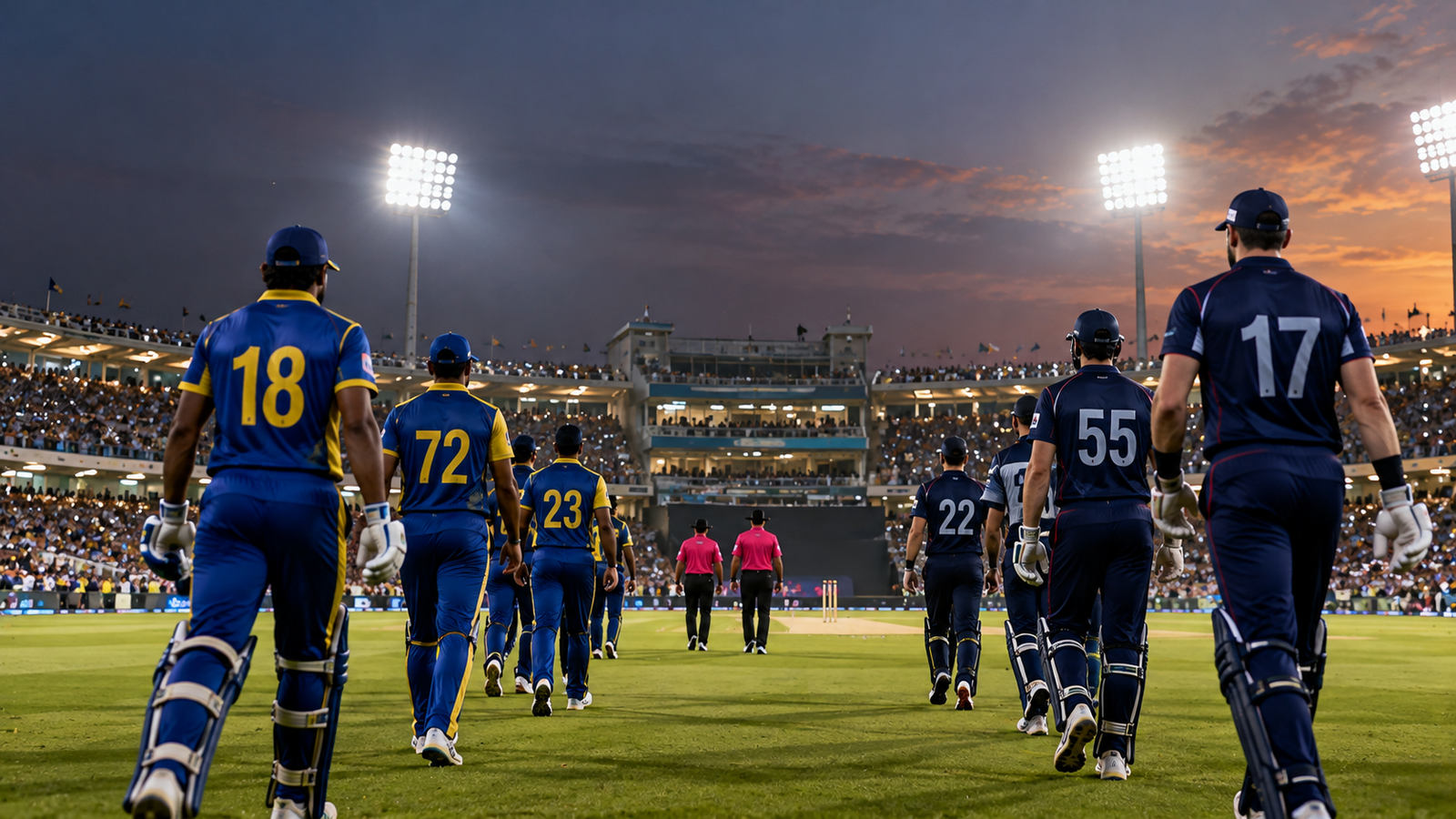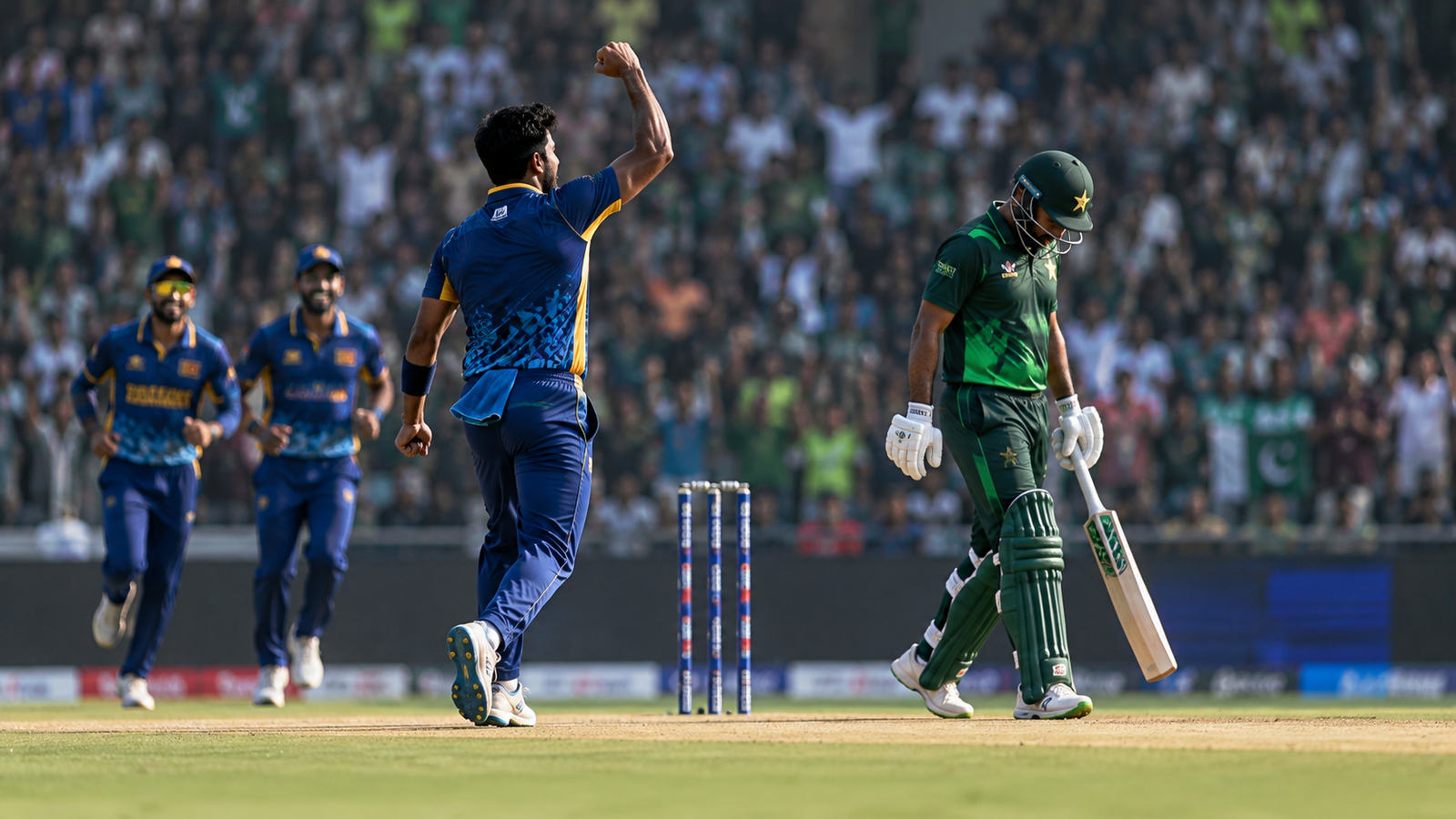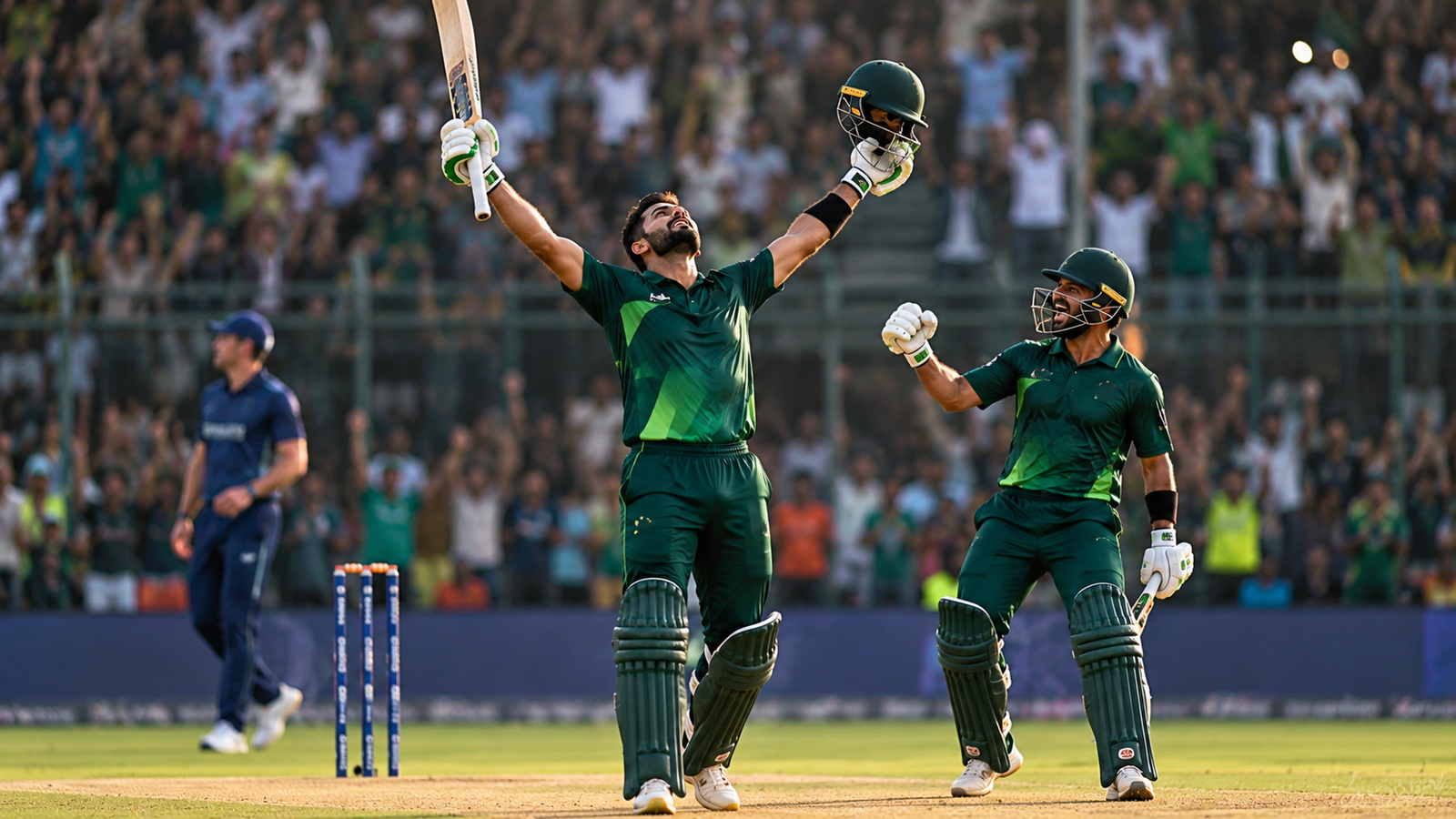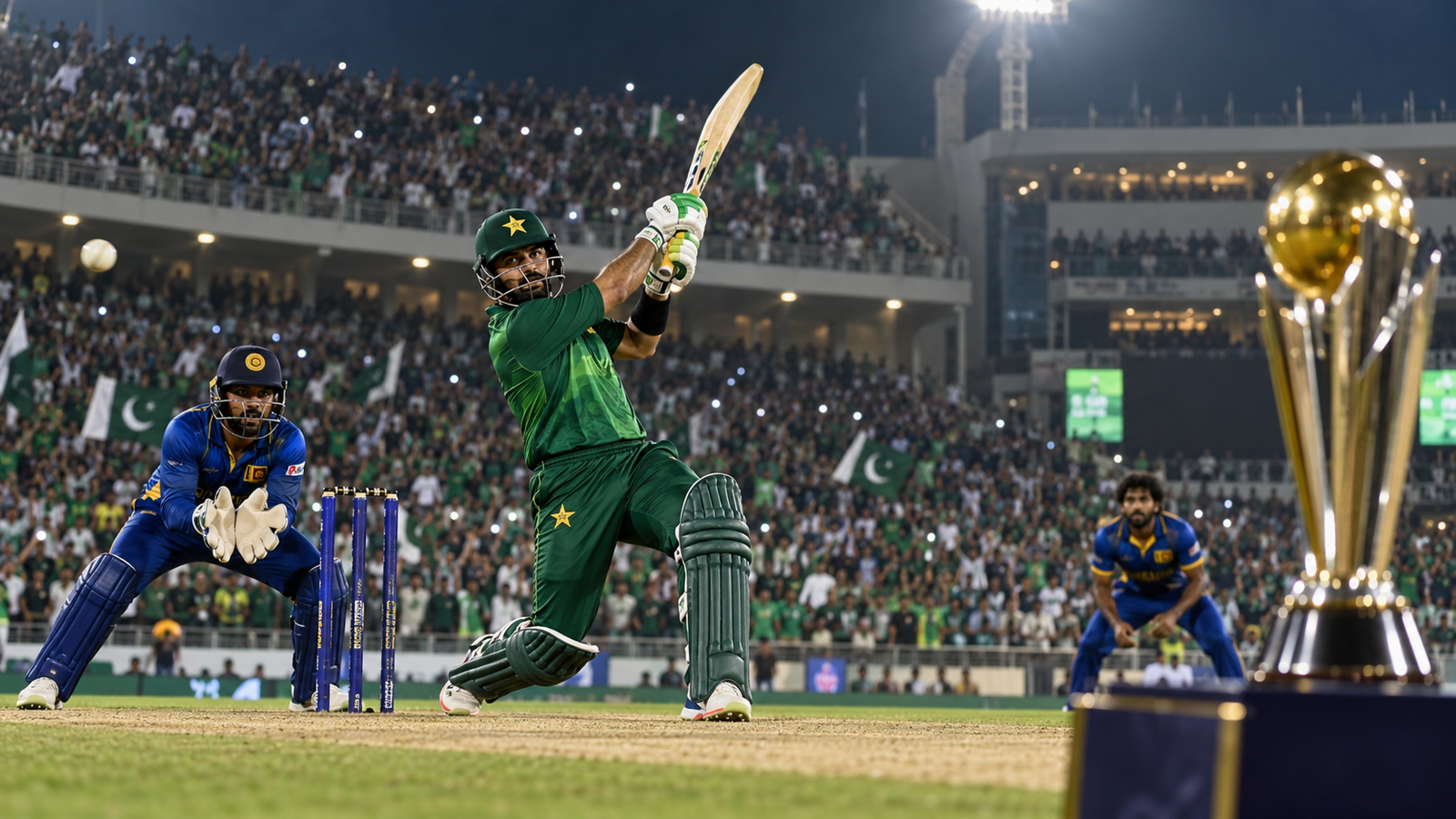
The Pakistan vs Sri Lanka ODI final 2026 is taking place at Gaddafi Stadium in Lahore on Saturday, October 31, with the hosts choosing to bowl first after captain Shaheen Shah Afridi won the toss, according to The Guardian’s match-day coverage. The first ball was scheduled for 1:00 PM Pakistan Standard Time, following a 12:30 PM toss. Pakistan and Sri Lanka reached the final after competing with England in a three-team, double round-robin One-Day International tournament. Pakistan won their earlier Rawalpindi meeting with Sri Lanka, but the visitors defeated them emphatically in Lahore on October 27. The title clash therefore offers a fresh contest between teams that have each beaten the other during the series. This report captures the confirmed match-day lineup and pre-innings background; it does not claim a completed final result or trophy winner.
Pakistan vs Sri Lanka ODI Final 2026: Quick Match Facts
Fixture: Pakistan vs Sri Lanka, ODI tri-series final.
Match date: Saturday, October 31, 2026.
Venue: Gaddafi Stadium, Lahore, Pakistan.
Scheduled toss: 12:30 PM PKT.
Scheduled first ball: 1:00 PM PKT, or 8:00 AM UTC.
Pakistan captain: Shaheen Shah Afridi.
Sri Lanka captain: Kusal Mendis.
Toss: Pakistan won and chose to field, as reported by The Guardian’s October 31 live updates.
Pakistan change: Faheem Ashraf included for Shadab Khan, reported unwell.
Sri Lanka change: Maheesh Theekshana included in place of Eshan Malinga.
Tournament teams: Pakistan, England, Sri Lanka.
Previous group meeting, October 18: Pakistan beat Sri Lanka by 37 runs in Rawalpindi.
Latest group meeting, October 27: Sri Lanka beat Pakistan by eight wickets in Lahore.
Most recent Sri Lanka outing, October 29: England won by 55 runs.
Result of final: Not confirmed in this match-day edition.
Key sources: PCB official October 30 final preview; The Guardian October 31 live report; PCB match scorecards.
Pakistan’s Confirmed Playing XI
The Guardian’s October 31 match-day report lists Pakistan’s eleven as Maaz Sadaqat, Fakhar Zaman, Babar Azam, Saad Baig, Salman Ali Agha, Hasan Nawaz, Arafat Minhas, Faheem Ashraf, Shaheen Shah Afridi, Naseem Shah and Haris Rauf. Shaheen leads the team, with Saad Baig operating as wicketkeeper. The significant change from the preceding combination is Faheem Ashraf’s inclusion in place of Shadab Khan, who was described as unwell in the live report. Unlike early squad lists, these are match-day reported names following the toss. The exact batting order can still vary with tactical decisions and should not be inferred solely from the published roster.
Sri Lanka’s Confirmed Playing XI
Sri Lanka’s match-day eleven, as reported by The Guardian, consists of Kamindu Mendis, Avishka Fernando, captain and wicketkeeper Kusal Mendis, Pavan Rathnayake, Sahan Arachchige, Janith Liyanage, Dasun Shanaka, Dunith Wellalage, Maheesh Theekshana, Asitha Fernando and Dilshan Madushanka. Theekshana replaced Eshan Malinga in the lineup for the final. These players bring a mix of top-order batting, all-round options, spin and pace. The list should be treated as the confirmed playing combination from the cited live report rather than a prediction. Batting positions, bowling allocations and match performances cannot be established until the innings actually unfolds.
Why Pakistan Chose to Bowl First
The toss gives Pakistan the decision over whether to bat or field first; Shaheen Shah Afridi opted to send Sri Lanka in. That choice may reflect several considerations common to limited-overs cricket, such as the condition of the surface, confidence in the bowling attack and the prospect of chasing a known target. However, the live source establishes the decision, not an official detailed explanation of the captain’s tactical reasoning. Lahore’s recent results have varied widely, so it would be simplistic to claim the ground always favors chasing. The decision creates a defined first-innings assignment for Pakistan’s pace and supporting bowlers, but neither the required total nor outcome can be predicted from the toss.
Where and When Is the ODI Final Being Played?
The Pakistan Cricket Board confirmed that the final is scheduled at Gaddafi Stadium, Lahore, on October 31. The official fixture information specifies a 12:30 PM toss and 1:00 PM start in Pakistan, equivalent to 8:00 AM UTC. These timing details matter to international readers watching from different countries. Some automated score websites display conflicting time-zone labels or outdated ‘upcoming’ status, so the PCB announcement is the reliable source for the scheduled start. Actual play may be affected by match-day conditions, but a change should only be reported when confirmed by an official or reputable live match source.
How Pakistan Qualified for the Final
Pakistan secured a place in the title match after recording wins against both England and Sri Lanka during the double round-robin phase. PCB’s October 30 preview says the hosts qualified first, beating England twice and Sri Lanka once. Those wins provided an important points advantage before the final group meetings. The series began in Rawalpindi and continued in Lahore. Pakistan’s qualification therefore did not depend on winning their last meeting with Sri Lanka. The key distinction is that a league-stage record determines who reaches the final, while the October 31 contest determines the tournament champion under the competition’s playing conditions.
How Sri Lanka Reached the Final
Sri Lanka’s route to the final included a remarkable two-wicket win over England in Rawalpindi and an eight-wicket victory over Pakistan in Lahore on October 27. The latter result was especially significant because it secured the side’s position in the final. Sri Lanka demonstrated that they could both chase a massive total and win a match dominated by the bowlers. However, the tourists also lost their last group match against England on October 29, so their recent record contains both strong and difficult performances. Qualifying for the final is a completed fact; winning the title on October 31 remains an outcome to be determined by the match itself.
The October 27 Result That Changed the Narrative
Sri Lanka’s eight-wicket win against Pakistan at the same Lahore ground remains the clearest recent head-to-head reference. PCB’s official scorecard shows Pakistan were bowled out for 110 in 25.3 overs. Dilshan Madushanka returned five wickets for 34 runs, while Sri Lanka reached 114 for two in 18.1 overs. The result was a comprehensive turnaround after Pakistan had won the earlier encounter. It also showed that a side with strong batting options can still have a difficult innings when the new ball and disciplined bowling create pressure. Pakistan’s final must be judged on fresh performances, not assumed to follow the same script.
Pakistan’s Earlier Win Against Sri Lanka
Pakistan opened their ODI tri-series campaign with a 37-run victory against Sri Lanka in Rawalpindi on October 18. The hosts scored 305 and dismissed Sri Lanka for 268, giving Pakistan an early advantage in the competition. Salman Ali Agha made an important century in that match, illustrating how a substantial middle-order contribution can underpin a competitive ODI total. The opening-game victory and October 27 defeat mean each finalist has a win against the other in the group stage. That balance makes the final relevant as a deciding encounter within the tournament, but it does not imply either team has a guaranteed advantage.
Shaheen Shah Afridi’s Leadership Challenge
Shaheen Shah Afridi captains Pakistan in the final and was involved in the official trophy presentation with Sri Lanka captain Kusal Mendis before the match. Pakistan’s pace attack includes Shaheen, Naseem Shah and Haris Rauf, offering different types of pressure through the innings. The early overs can be important for new-ball movement and setting a manageable rate, but a successful bowling spell is not guaranteed by reputation alone. As captain, Shaheen must also manage bowling changes, field settings and the balance between attack and containment. These are typical tactical responsibilities, not claims that the captain has announced any specific unverified plan.
Kusal Mendis Leads Sri Lanka in Lahore
Kusal Mendis is captaining Sri Lanka in the decisive match and is listed as wicketkeeper in the match-day eleven. He leads a team that has adapted to contrasting match situations, including the record chase against England and a low-target victory over Pakistan. His role combines decisions about batting order, bowling combinations and field placements with keeping duties. A captain’s choices can have a major effect on a close ODI, but outcomes cannot be credited or blamed in advance. The October 31 final offers Sri Lanka an opportunity to build on the qualifying-stage performance and compete for the trophy on Pakistani soil.
Salman Ali Agha’s Form for Pakistan
PCB’s official October 30 preview identified Salman Ali Agha as Pakistan’s leading scorer of the series at that point, with 158 runs in four outings. His century against Sri Lanka in Rawalpindi was especially valuable in the hosts’ 305-run total. For Pakistan, consistent contributions from the middle order can stabilize the innings after early wickets or accelerate when a platform has already been built. His form also shows why the tournament should be assessed across more than one game: Pakistan’s batting failure on October 27 did not erase earlier productive innings. These are previous-match statistics, not a claim about how many runs he has scored in the final.
Dilshan Madushanka Is a Key Sri Lankan Threat
Left-arm fast bowler Dilshan Madushanka took 5 for 34 against Pakistan on October 27, a performance recorded in PCB’s official scorecard. His success at the same venue is relevant when identifying players to watch in the final. A batter’s ability to handle early movement and a bowler’s ability to target disciplined areas can shape the first ten overs. However, conditions change between matches, and the final includes different selections, match pressures and game states. Reporting Madushanka’s five-wicket haul as a previous achievement is appropriate; describing an identical collapse as inevitable would be speculation.
The Role of Faheem Ashraf in Pakistan’s XI
The Guardian reported that Faheem Ashraf entered Pakistan’s playing eleven because Shadab Khan was unwell. Faheem provides an additional bowling option and lower-order batting experience. His inclusion may alter how Pakistan distribute overs among fast bowlers and all-rounders, although the actual role will depend on conditions and match developments. A health-related absence should be described only to the extent verified by the live report, without speculating about diagnosis or recovery. The key confirmed information is the selection change. It matters because balance between specialist bowling and batting depth is especially consequential in a 50-over title match.
What Maheesh Theekshana Adds to Sri Lanka
Maheesh Theekshana replaced Eshan Malinga in Sri Lanka’s reported playing eleven for the final. Theekshana’s spin provides a different type of bowling option from a pace-heavy combination, which may be useful when controlling the middle overs. Sri Lanka also have Dunith Wellalage among their bowlers and all-rounders. Their captain can decide how to use these options based on whether the surface grips, the batters’ approach and the state of the innings. The inclusion is a confirmed selection decision, but any assertion that Theekshana was picked for a specific hidden tactical reason would require an attributed team statement.
Gaddafi Stadium and the Pitch Question
Lahore’s Gaddafi Stadium hosted the later stages of the tri-series, giving both finalists some recent experience at the venue. Pakistan’s 110 all out against Sri Lanka demonstrated that disciplined bowling can dominate, but a single match does not determine the character of every pitch. ODI surfaces can change because of preparation, weather and match timing. Batting order, strike rotation and the ability to respond to early wickets may all matter. The article does not assign a definite par score or promise a high-scoring contest without a trustworthy match-day pitch assessment. The confirmed venue and toss provide firmer information than generic surface predictions.
What Happened in Sri Lanka’s Last Group Match?
England defeated Sri Lanka by 55 runs in the October 29 sixth league match, according to match score records. That result did not change the finalists, but it is relevant background for Sri Lanka’s form before the title game. It shows that a team capable of spectacular run chases can still suffer losses when conditions and opposition performances differ. England ended their participation in the competition after being eliminated from final contention earlier. The significance of the match is therefore preparatory rather than qualification-related. The Sri Lankan squad must now focus on the separate challenge of facing Pakistan’s bowling and batting lineup in the final.
The Extraordinary Sri Lanka–England 430 Chase
Sri Lanka produced one of the tournament’s most memorable results on October 22 by chasing England’s 429 for four and reaching 430 for eight with one ball remaining in Rawalpindi. Pavan Rathnayake contributed a century, while England captain Harry Brook had previously scored a double hundred. That result highlighted both teams’ extraordinary batting potential and the difficulty of defending large totals. However, it happened at a different venue and should not be used as an automatic prediction for Lahore. The important analytical point is Sri Lanka’s proven ability to sustain high run rates under pressure, alongside the necessity of taking wickets and managing partnerships.
Pakistan’s Fast Bowlers and Sri Lanka’s Batters
The battle between Pakistan’s attack and Sri Lanka’s batting lineup is a central part of the final. Shaheen, Naseem and Haris offer pace, while Sri Lanka’s batting group includes Kusal Mendis, Kamindu Mendis, Avishka Fernando and Pavan Rathnayake. New-ball wickets could alter the available scoring approach, while early partnerships could create opportunities to attack during the middle and closing overs. These are possible match scenarios, not a forecast that any player will succeed or fail. A balanced preview considers both the hosts’ bowling strength and the visitors’ previous resilience when chasing or setting challenging totals.
Why the Toss Is Significant but Not Decisive
Winning a toss allows a captain to choose the order of innings, and Pakistan opted to chase a target. In a 50-over match, that may simplify the second innings by making the required scoring rate visible. However, chasing can also create pressure if early wickets fall or the target is large. Conversely, batting first provides an opportunity to post a total and then use scoreboard pressure. Both strategies have succeeded in different cricket conditions. It is inaccurate to treat a toss victory as a match victory. The toss is an early confirmed event; the scoreboard and ultimate outcome must be reported separately after verification.
How the Tri-Series Format Worked
Pakistan hosted England and Sri Lanka in a double round-robin ODI tournament from October 18 to October 31. Every side faced the other two teams twice before the top two progressed to the final. The first three matches were played in Rawalpindi, with the closing league fixtures and final in Lahore. This structure gave teams opportunities to adapt after an earlier result. Pakistan qualified after three wins, and Sri Lanka booked the other final spot with their October 27 victory. The format makes the title game distinct from a semifinal or a bilateral series decider: one match determines the tri-series trophy.
Why the Final Matters to Pakistani Cricket Fans
A home final attracts strong public interest because Pakistan are playing for a tournament title in Lahore. The PCB said Pakistan were aiming for their first ODI tri-series title on home soil. Local supporters have also followed the team’s contrasting group results, including wins over England and a heavy defeat by Sri Lanka. That context offers a compelling sporting narrative without requiring exaggerated language about revenge or predetermined success. Fans may follow the official match scorecard, television coverage and verified live updates for innings scores and wickets. News websites should avoid publishing a winner before the match concludes and the result is confirmed.
How to Follow the Match Safely and Accurately
The PCB’s official website and live match service provide tournament information, while ICC and major cricket coverage platforms carry fixtures and scorecards. Readers seeking an up-to-date total should open a live score provider rather than rely on a static preview article written around the start. Screenshots can become outdated after just one over, particularly when wickets fall rapidly. An article should state its update time whenever it contains live figures. This Mukhbir edition confirms the toss and playing elevens from contemporaneous coverage but does not assert a final total. Once the result is official, a separate outcome report or prominently time-stamped update will be appropriate.
What the Final Means for World Cup Preparation
PCB’s tournament announcement described the tri-series as part of preparations for the next ODI World Cup cycle. Multi-team international matches allow players to face different opponents and adjust to competition pressure. Coaches can assess opening combinations, middle-order roles, wicketkeeping options and the effectiveness of bowling plans in a 50-over format. Yet a single final cannot determine the entire squad for a future global tournament. The appropriate takeaway is that this competition provides relevant playing experience and current form indicators. Specific future selection decisions must be attributed to official team announcements rather than inferred from today’s lineup alone.
What Readers Should Watch During the Match
With Sri Lanka batting first, the opening overs will reveal whether Pakistan can create chances with the new ball. The middle overs may test how effectively the visitors rotate the strike against spin and pace, and the final overs will determine the size of any target. Pakistan’s chase, if a full second innings is played, will depend on partnerships, wickets in hand and the changing required run rate. Weather or playing interruptions can also affect match conditions. These are conventional phases to follow rather than claims about events that have already occurred. For accurate breaking updates, use the live scorecard and label each development with its time.
What Is Not Confirmed in This Edition?
The official final score, player of the match, winning team, trophy presentation outcome and individual final-innings performances were not established for this near-kickoff edition. They should not be invented simply because the venue, teams and toss are known. The source-based playing XIs are reported, but substitutions under applicable cricket rules, injuries or other later match changes must be verified before publication. This separation protects readers from confusing a match-day preview with a completed result. It also allows Mukhbir to publish timely information now while retaining a clear editorial basis for a later result story.
Conclusion
The Pakistan vs Sri Lanka ODI final 2026 brings the two leading tri-series teams together at Gaddafi Stadium on October 31. Pakistan captain Shaheen Shah Afridi won the toss and chose to bowl, while both teams made a selection change: Faheem Ashraf replaced Shadab Khan for the hosts, and Maheesh Theekshana came in for Eshan Malinga for Sri Lanka. The teams split their group encounters, with Pakistan winning in Rawalpindi and Sri Lanka prevailing in Lahore. The final promises a significant test of skills and strategy, but no winner or result has been confirmed in this match-day article. Readers should consult the official scorecard for subsequent developments.
Frequently Asked Questions
When is Pakistan vs Sri Lanka ODI final 2026?
The final is scheduled for Saturday, October 31, 2026, at 1:00 PM Pakistan Standard Time.
Where is the Pakistan vs Sri Lanka final being played?
The match is being held at Gaddafi Stadium, Lahore, Pakistan.
Who won the toss in the final?
The Guardian’s October 31 live coverage reports that Pakistan won the toss and chose to field.
Who captains Pakistan and Sri Lanka?
Shaheen Shah Afridi leads Pakistan and Kusal Mendis captains Sri Lanka.
What change did Pakistan make in the playing XI?
Faheem Ashraf came in for Shadab Khan, who was reported unwell.
What change did Sri Lanka make?
Maheesh Theekshana was included in place of Eshan Malinga.
Who won the last Pakistan–Sri Lanka group match?
Sri Lanka won by eight wickets in Lahore on October 27, after Pakistan had won the earlier Rawalpindi meeting.
Who won the ODI tri-series final?
The winner was not confirmed when this match-day article was prepared; consult an updated PCB or ICC scorecard for the official result.
About The Author