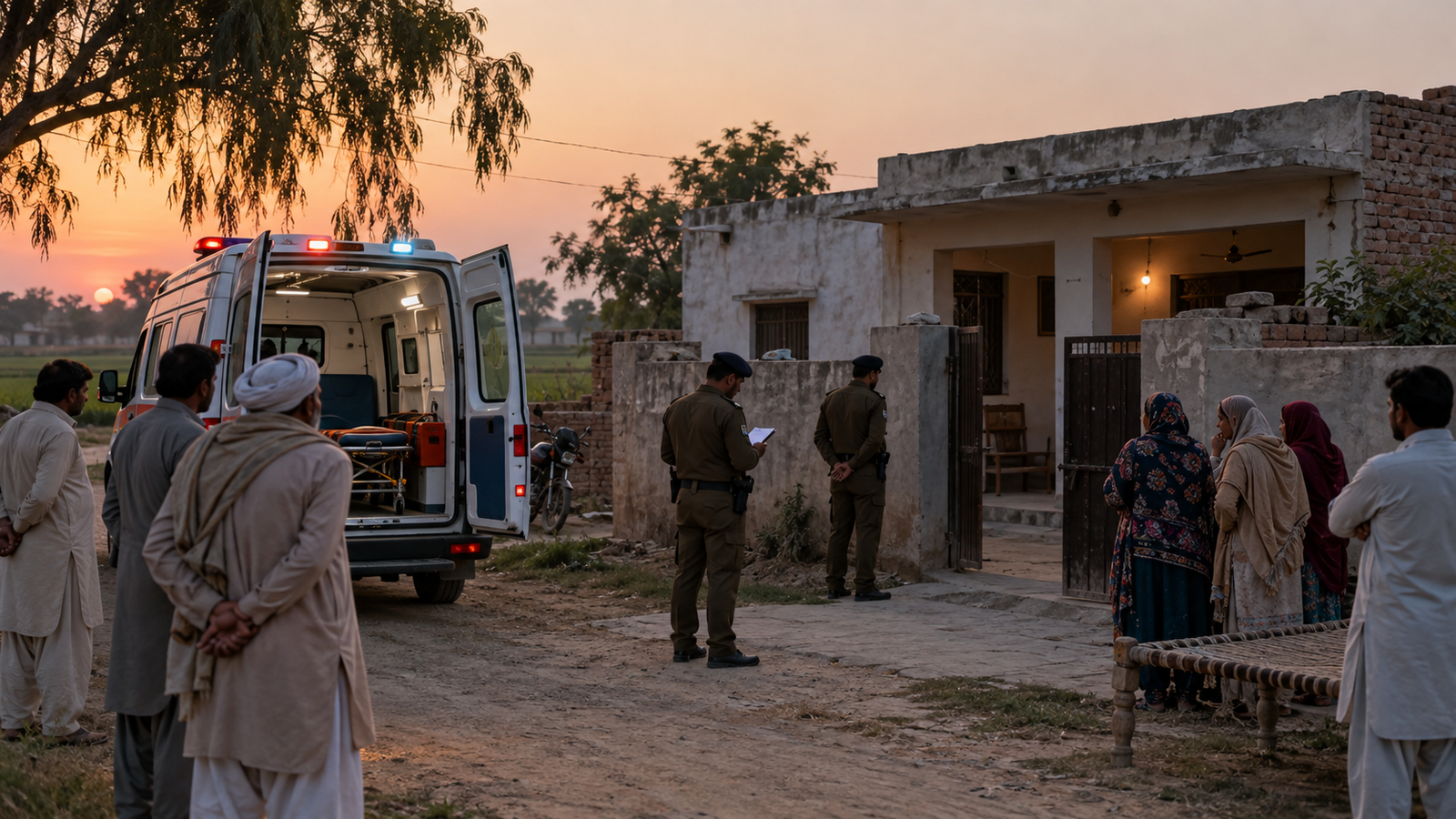
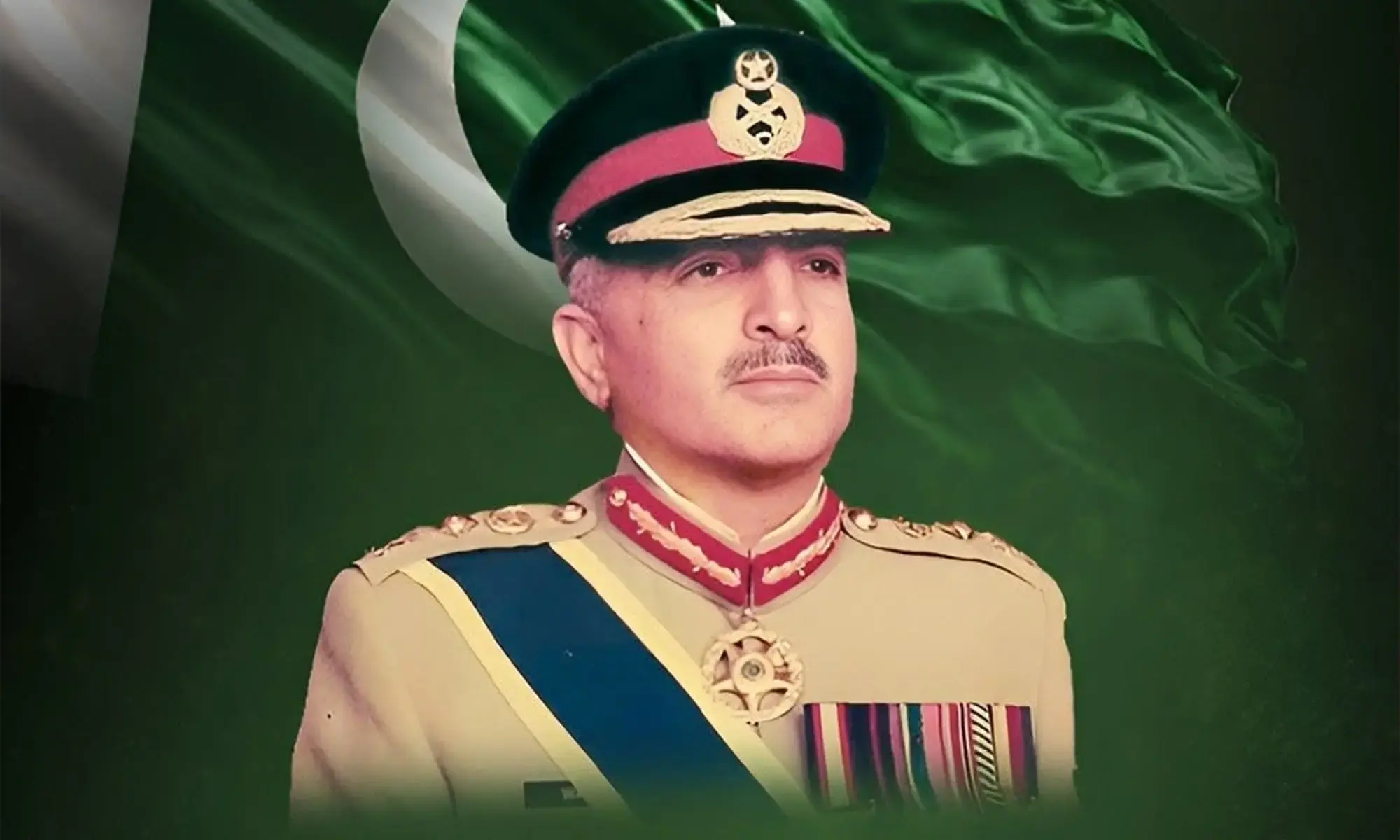
Abdul Waheed Kakar passes away in Rawalpindi on Monday, October 26, 2026, according to a statement issued by the Inter-Services Public Relations (ISPR), the Pakistan military’s media wing. General (retired) Abdul Waheed Kakar, who served as Pakistan’s Chief of Army Staff from January 1993 to January 1996, was 89, according to contemporary reporting by Business Recorder.
The announcement prompted condolences from Pakistan’s civilian and military leadership. Chief of Army Staff and Chief of Defence Forces Field Marshal Syed Asim Munir, along with all ranks of the Pakistan Army, expressed deep sorrow and acknowledged Kakar’s military career, leadership and service. President Asif Ali Zardari and Prime Minister Shehbaz Sharif also conveyed their sympathies to the bereaved family.
The death itself, its location and the official condolences are confirmed by Radio Pakistan and multiple independent news organisations. At the time of this report, the publicly available initial announcements did not establish a cause of death or detailed funeral arrangements. Those details should not be filled in from unverified social-media posts.
Former Army Chief Abdul Waheed Kakar: Key Facts
Full name: General (retired) Abdul Waheed Kakar.
Date of death: Monday, October 26, 2026.
Location of death: Rawalpindi, Pakistan.
Reported age: 89.
Former position: Chief of Army Staff, Pakistan Army.
Tenure as COAS: January 12, 1993, to January 12, 1996, according to historical reporting.
Military statement: Issued by ISPR and carried by national media.
Military condolences: Field Marshal Syed Asim Munir and all ranks of the Pakistan Army.
Civilian condolences: President Asif Ali Zardari and Prime Minister Shehbaz Sharif.
Cause of death: Not established in the verified initial announcements used for this article.
Funeral details: Not confirmed in the available statements at the time of writing.
Historical context: Commanded the army during Pakistan’s 1993 political and constitutional crisis.
ISPR Confirms Former COAS’s Death in Rawalpindi
The Inter-Services Public Relations confirmed on October 26 that the former army chief had died in Rawalpindi. Radio Pakistan’s same-day report described the military leadership’s condolences and the institution’s appreciation of his career. Dawn, Geo News, The News International and other publications reported the announcement, citing ISPR.
In its statement, the military described Kakar’s professional contribution and leadership as significant to the Pakistan Army. The acknowledgement was institutional rather than a detailed account of the medical circumstances surrounding his death. There was no need for readers to rely on speculative posts about his condition because the core announcement came through a military statement and was corroborated by national reporting.
The confirmation makes this a verified national obituary, not an unsubstantiated viral death rumour. Any later official information about the funeral, burial or additional tributes should be reported with its own date and identified source.
Field Marshal Asim Munir and Pakistan Army Pay Tribute
According to ISPR, Field Marshal Syed Asim Munir, serving as Chief of Army Staff and Chief of Defence Forces, joined all ranks of the Pakistan Army in expressing sorrow over the former commander’s passing. The military paid tribute to his distinguished service, leadership and contribution to the institution.
The army also expressed solidarity with his family during bereavement and offered prayers for the deceased. The statement reflected the institutional tradition of recognising former military leaders after their deaths, regardless of the decades that may have passed since their active service.
It is important to attribute these assessments accurately. Descriptions of Kakar’s career as distinguished and invaluable are the Pakistan Army’s official tribute, not a substitute for historical examination of every event that occurred during his tenure. This article reports the tribute in its proper context while separately outlining the period in which he served.
President Asif Ali Zardari Offers Condolences
President Asif Ali Zardari expressed deep grief and sorrow at the death of the retired general. The Associated Press of Pakistan reported that the president extended sympathy and heartfelt condolences to Kakar’s family and prayed for peace for the departed soul and strength for his relatives.
Radio Pakistan also carried the president’s message on October 26. The statement did not announce a new policy or investigation; it was an official expression of sympathy following the former army chief’s passing.
For a breaking-news report, the distinction is helpful: the news is the death of a former chief of army staff, together with the responses of current national leaders. The president’s remarks should not be given additional political meaning beyond what he publicly stated.
Prime Minister Shehbaz Sharif Expresses Grief
Prime Minister Shehbaz Sharif also expressed sorrow over General Kakar’s death. The News International reported that the prime minister recognised the late commander’s services to the Pakistan Army, conveyed condolences and prayed for the bereaved family.
The condolences from the country’s elected and military leadership show the attention paid to the death of someone who once held one of Pakistan’s most senior institutional posts. They do not establish the circumstances of his death, and there is no need to attach unrelated contemporary political disputes to the tributes.
Mukhbir’s coverage focuses on what officials confirmed, what historical sources document and what remains unknown.
Who Was General Abdul Waheed Kakar?
Abdul Waheed Kakar was a senior Pakistan Army officer who rose to the position of Chief of Army Staff in early 1993. Historical reporting by The News International records that he was born in 1937 and received his commission in October 1959. His military career lasted more than three decades and included command appointments before he became army chief.
His appointment followed the death of General Asif Nawaz Janjua in January 1993. Kakar then served a three-year term, stepping down in January 1996. Histories of Pakistan’s military leadership identify that period as particularly consequential because the country was experiencing a major constitutional confrontation between its president and prime minister.
Kakar is frequently discussed in accounts of Pakistan’s civil-military history for that period. Such discussions cover decisions taken by multiple political and military actors. His legacy is therefore best addressed using dated sources and specific events rather than broad, unsupported claims of universal public approval or disapproval.
When Did Abdul Waheed Kakar Serve as Army Chief?
According to historical profiles, Kakar assumed command of the Pakistan Army on January 12, 1993, and his tenure ended on January 12, 1996. This period coincided with major political developments, including the crisis of 1993 and the subsequent transition to an interim administration and elections.
He was appointed following the sudden death of General Asif Nawaz Janjua, who had served as army chief before him. Detailed histories describe Kakar’s appointment as a significant personnel decision at a time of considerable political uncertainty.
Dates are worth preserving precisely in an obituary because a retired officer’s historical responsibilities are sometimes misrepresented in recycled online summaries. Here the verified tenure is January 1993 to January 1996; he was not serving as the current army chief at the time of his death in October 2026.
Kakar’s Tenure and Pakistan’s 1993 Constitutional Crisis
Kakar’s name is associated with the constitutional and political standoff of 1993 between then-president Ghulam Ishaq Khan and then-prime minister Nawaz Sharif. The confrontation culminated in both leaders leaving office and a caretaker administration being formed under Moeen Qureshi, followed by elections.
Historical accounts differ in how they characterise military involvement in the resolution. Some describe Kakar as playing a decisive role in securing the departures; others emphasise the broader institutional crisis and negotiations among political actors. A neutral account can acknowledge that the army chief’s involvement was consequential without presenting one interpretation of motives as an undisputed fact.
This episode is part of the general’s public career, but it should not overshadow the central October 26 event. The report of his death is confirmed by ISPR, while historical interpretations of 1993 belong to sources dealing specifically with that crisis.
Why His Career Remains Part of Pakistan’s Military History
The office of Chief of Army Staff carries substantial institutional responsibility within Pakistan’s defence structure. Officers who have held the position become part of the country’s military history, especially when their tenures overlap with significant political or security developments.
Kakar’s period in command followed an unexpected succession after the death of his predecessor and ended at the conclusion of a full three-year term. Contemporary and later historical reporting notes his career span and the 1993 constitutional episode. These are verifiable milestones, although evaluations of individual decisions may differ among historians and commentators.
In its 2026 condolence message, the army selected the themes of leadership, professionalism and service. That institutional tribute can be reported directly while leaving room for fact-based historical analysis.
What Is Known About the Cause of Death?
The initial ISPR-linked reports reviewed for this article confirm that Kakar died in Rawalpindi on October 26. They do not identify a specific illness, medical diagnosis, incident or cause of death. Business Recorder and other outlets reported that he was 89 years old.
Age alone does not establish a cause of death. It would be misleading to describe a particular disease, hospital stay or medical event without documentation from the family, the military or another reliable, identified source.
This report therefore does not speculate about private medical information. Should the family or competent authorities release additional information, it can be added with clear attribution and the date of confirmation.
Funeral and Burial Arrangements: What Has Been Confirmed?
At the time of the October 26 reporting reviewed for this document, the initial official announcement and major news reports did not provide a confirmed funeral prayer schedule, burial location or public-attendance arrangements. None should be inferred from where the former general died.
Readers seeking to attend a funeral should rely on subsequent notices issued by the family or relevant authorised institutions. Social-media posts can circulate outdated, incorrect or unverified times, particularly when a death is first reported.
Mukhbir’s publication policy is to distinguish the confirmed death and condolences from logistical details that may be announced later. This article can be updated if a verified official notice becomes available.
What National Leaders Said After the Announcement
The statements from the presidency, prime minister and military leadership share a consistent theme: sorrow at the loss of a former senior officer, condolences to his family and prayers for the deceased. The army’s remarks additionally highlighted its assessment of Kakar’s military career and contribution.
These reactions are attributed to the officials and institutions that issued them. They should not be described as evidence of a policy change, a new military appointment or an official assessment of every historical event associated with his tenure.
For national readers, the response is noteworthy because it comes from Pakistan’s current state leadership and the institution that Kakar once commanded.
How to Verify Reports About Former Army Chiefs
Breaking stories about prominent military figures can spread quickly through social platforms. The strongest first source for this death is ISPR’s reported announcement, corroborated by Radio Pakistan, Dawn, Geo News and the national news agency’s coverage of presidential condolences. These reports align on the date, location and identity of the deceased.
For biography, older historical records can be more useful than repetitive breaking-news summaries. The News International’s retrospective profiles provide dates for Kakar’s appointment and retirement and place his tenure within a broader chronology of army chiefs.
In preparing an obituary, publishers should avoid invented quotations, altered images or unsupported private details. News photographs should be clearly credited and authenticated; an AI-generated memorial illustration is not equivalent to a photograph of the deceased.
What Remains to Be Updated?
The principal facts of the obituary are verified, but the story can develop as further information is released. Potential updates include an officially confirmed funeral programme, burial details, messages from additional public institutions and authorised family statements.
Each later addition should be checked against an identified source and timestamped. A developing story should not be kept open merely by filling space with speculation. Historical background can supply valuable context, but the immediate facts should remain easy to locate.
The confirmed information as of October 26 is sufficient for a responsibly worded report: General (retired) Abdul Waheed Kakar has died in Rawalpindi, and senior civilian and military leaders have expressed condolences.
Conclusion
The death of former army chief General (retired) Abdul Waheed Kakar in Rawalpindi on October 26, 2026 has been confirmed through ISPR-linked reporting. Aged 89 according to Business Recorder, he served as Chief of Army Staff from January 1993 to January 1996, a period remembered in Pakistan’s political and military history.
Field Marshal Syed Asim Munir and the Pakistan Army paid tribute to his service and leadership. President Asif Ali Zardari and Prime Minister Shehbaz Sharif also offered condolences and prayers for his family. The initial verified accounts did not establish a cause of death or final funeral arrangements.
This obituary records his passing with respect and factual restraint, distinguishes official tributes from historical analysis and avoids unsupported claims about his final days.
Frequently Asked Questions
Did former army chief Abdul Waheed Kakar pass away?
Yes. ISPR-linked reports and Radio Pakistan confirmed his death on October 26, 2026.
Where did Abdul Waheed Kakar die?
He died in Rawalpindi, Pakistan, according to the official reporting.
How old was General Abdul Waheed Kakar?
Business Recorder reported that he was 89 years old.
When was Abdul Waheed Kakar Pakistan’s army chief?
He served as Chief of Army Staff from January 12, 1993, until January 12, 1996.
Who expressed condolences after his death?
Field Marshal Syed Asim Munir, all ranks of the Pakistan Army, President Asif Ali Zardari and Prime Minister Shehbaz Sharif were among those who expressed sorrow.
What did ISPR say about his military career?
ISPR reported that the army leadership paid tribute to his distinguished military career, leadership and valuable services.
Was the cause of death officially confirmed?
No specific cause of death was established in the initial official announcements and reports reviewed for this article.
Have the funeral arrangements been announced?
No verified funeral schedule or burial details were available in the initial sources used for this October 26 article.
About The Author