LONDON, October 17, 2026 – Oil prices climbed sharply on Friday as growing tensions in the Middle East and concerns over Russian energy supplies made traders worry about future shortages. Brent crude briefly touched $110 a barrel for the first time since May, before settling at $109.86. US West Texas Intermediate (WTI) ended at $101.41 per barrel.
The Brent crude oil price October 2026 rally is important for investors, businesses and ordinary households. Oil affects transport, electricity generation, shipping and many products that people buy every day. When global oil prices rise, countries that import fuel can face higher costs.
Reuters reported the October 16 market figures, while Business Recorder published the report on October 17. The Financial Times and Wall Street Journal also covered the rise. Importantly, $110 was a level touched during trading, not Brent’s final closing price. Prices can change again when the next trading session opens.
Brent Crude Oil Price October 2026: Key Figures
Brent crude intraday milestone: $110 per barrel. Brent settlement on October 16: $109.86. Brent daily change: up $3.94, or 3.7%. US WTI settlement: $101.41. WTI daily change: up $3.44, or 3.5%. Brent weekly gain: 4.9%. WTI weekly gain: 10.4%. Brent’s reported settlement was its highest since May 19, while WTI was at its highest since September 17.
These are prices reported for completed Friday trading. They should not be described as live quotes for Saturday, October 17. The weekend does not turn Friday’s settlement into a new daily closing price.
What Happened to Oil Prices?
Oil futures initially reacted to different news about available fuel supplies. Later, renewed worries over the security of Middle Eastern oil infrastructure pushed prices higher.
According to Reuters, investors were watching reports about threats involving Saudi energy infrastructure and disruption around the Strait of Hormuz. They were also assessing damage to Russian refining facilities and how sanctions decisions could affect fuel exports.
Together, these concerns made traders more willing to pay higher prices for oil they expected could become harder to obtain. The result was a strong rally in both major international benchmarks.
A rising market does not prove that every feared disruption has happened. Sometimes prices move because traders are concerned about what might happen next.
Why the Middle East Matters So Much
The Middle East is a major producer and exporter of crude oil. Important shipping routes connect Gulf exporters with refineries and customers across Asia, Europe and other regions.
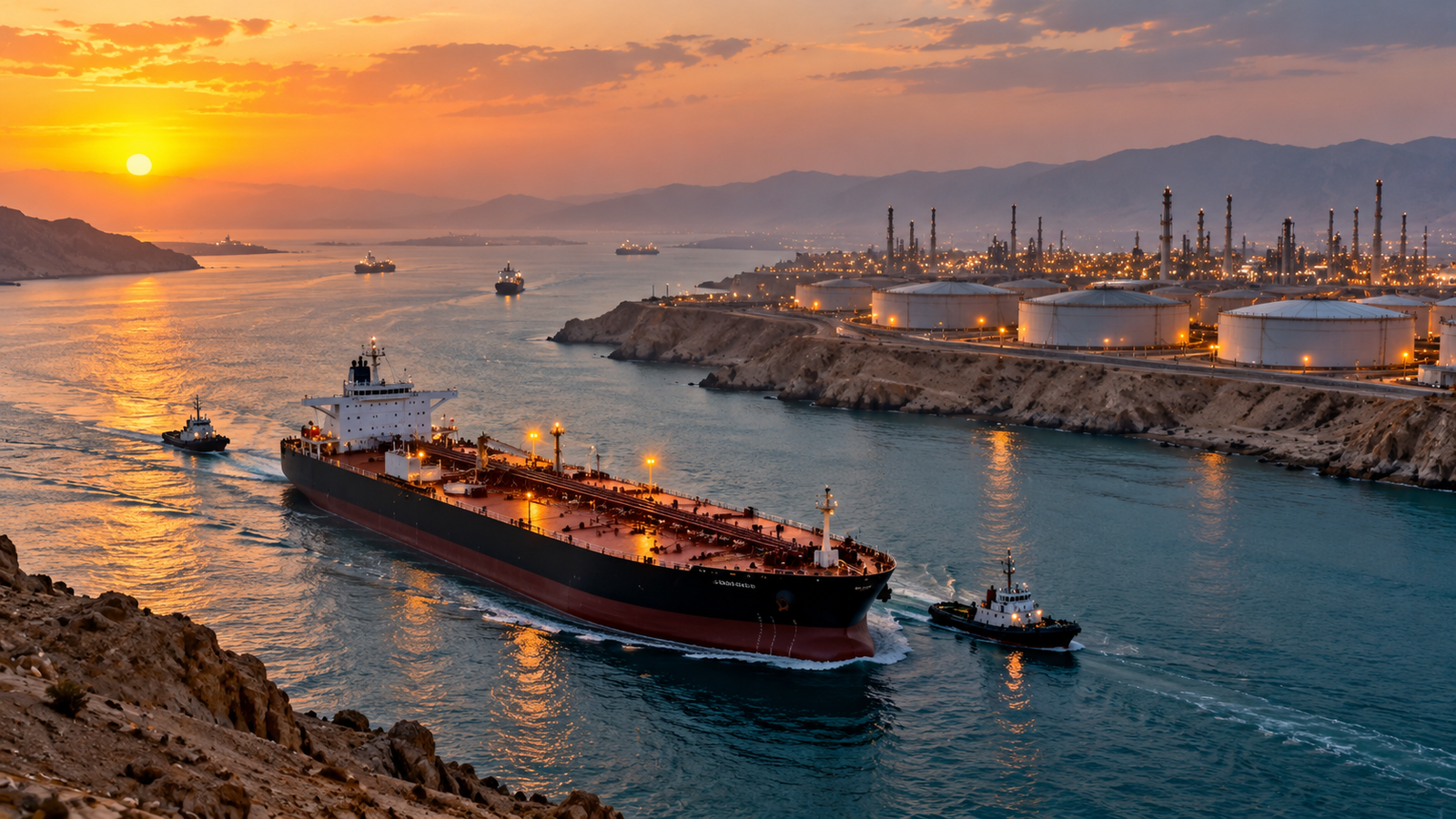
The Strait of Hormuz is especially significant because oil tankers use it to move petroleum from the Gulf to global markets. When military tensions threaten ships or nearby energy facilities, transport can become more difficult or expensive.
Shipping companies may need stronger security arrangements, different routes where possible or more expensive insurance. Those costs can eventually affect the price buyers pay for delivered oil.
The latest price move reflected these risks. It would be inaccurate to claim that all oil shipments through the Strait of Hormuz had stopped or that every Gulf oil facility had been damaged.
What Did Reuters Report About Saudi Arabia?
Reuters reported that Saudi Arabia intercepted a ballistic missile aimed at the port city of Yanbu. The reporting said there was no damage from that incident.
Yanbu is important because it is linked to energy infrastructure and export activity. Even when an attempted attack causes no reported damage, markets may react if investors believe future attacks could threaten production or transport.
Other reports described heightened regional tensions and security concerns in the Gulf. For investors, the question is not only how much oil is available today but how reliably it can be delivered in the coming weeks.
That uncertainty helps explain why oil prices can change quickly after geopolitical news.
Russia’s Oil Supplies Are Another Concern
Russia is an important energy exporter. Reuters said traders were also following reports of Ukrainian attacks on Russian refining facilities and discussions about sanctions affecting Russian fuel trade.
A refinery turns crude oil into usable products such as petrol, diesel and other fuels. Damage to a refinery can disrupt fuel production even if crude remains available elsewhere.
At the same time, changes in sanctions or shipping rules can affect how easily oil products move to customers. These policy questions may increase market uncertainty.
Not every disruption in refining leads to the same change in crude oil prices. The effect depends on the type of facility, available alternatives and how much fuel is affected.
Why Oil Prices Can Rise Before Supplies Actually Fall
Oil is traded in global markets where buyers and sellers consider current demand as well as future supply. A trader may pay more now if they believe a shortage could emerge later.
This extra amount linked to uncertainty is sometimes called a risk premium. In simple terms, the price includes concern about possible trouble, not only the present cost of producing oil.
A risk premium can shrink if tensions ease or shipping becomes safer. It can grow when new incidents raise fears of larger disruptions.
That is why dramatic news from oil-producing regions can change prices even before a final production-loss figure is available.
What Is Brent Crude Oil?
Brent is a major international oil price benchmark. It is widely used to compare and price crude oil in global markets.
WTI, short for West Texas Intermediate, is another major benchmark associated with the United States. The two often move in a similar direction, but they can have different prices because of oil quality, transport and market conditions.
Neither benchmark directly equals the price of petrol at a Pakistani filling station. Retail fuel prices include local taxes, exchange-rate effects, refining, transport and government pricing decisions.
Understanding the benchmarks helps readers follow energy news without confusing international crude prices with local pump prices.
Could Higher Oil Prices Increase Inflation?
Oil is used directly and indirectly in many economic activities. Trucks carry goods, ships move imports and some businesses rely on fuel-powered equipment.
When oil becomes more expensive, transport and energy costs may rise. Some companies try to absorb the difference, while others pass part of it on to customers.
The effect is not immediate or equal across all goods. Existing contracts, inventories, subsidies and taxes may delay or reduce the change.
Still, a long period of expensive energy can make it harder for central banks to control inflation. That is one reason financial markets watch oil prices closely.
What This Means for Pakistan
Pakistan imports oil and petroleum products, so a rise in international prices can increase the country’s energy import bill if other conditions remain the same.
A larger import bill can put pressure on foreign-currency needs, business costs and household budgets. The final effect also depends on the Pakistani rupee’s exchange rate and the government’s pricing decisions.
It is important not to claim that Pakistan’s petrol price must rise tomorrow simply because Brent touched $110. Domestic petrol and diesel prices are set through separate notifications and can move differently over short periods.
Business Recorder reported a reduction in Pakistan’s petrol price for a short period beginning October 17, even while international crude remained elevated. That shows why local announcements and global benchmarks should be reported separately.
Higher oil prices are a risk for the broader economy, not a confirmed prediction of a specific increase at the pump.
How Could Businesses Be Affected?
Airlines, transport companies and factories can face higher fuel bills when global energy costs increase. Some businesses buy fuel through contracts, while others are more exposed to changing market prices.
For exporters, shipping and manufacturing costs matter because they affect the price of finished products. For consumers, transport costs may influence food distribution and other daily purchases.
The pressure varies by sector. Companies that produce oil may benefit from higher selling prices, while businesses that consume large amounts of fuel can face tighter profit margins.
A balanced investment report therefore avoids assuming that rising oil prices hurt every company in exactly the same way.
Are Oil Producers Always Winners?
Higher crude prices can increase revenue for some energy producers if they can maintain production and sell at those prices. But companies also face costs, taxes, production limits and security risks.
An oil company’s share price depends on more than the benchmark oil price. Investors consider its debt, reserves, operations, management and expected future earnings.
For refineries and fuel distributors, higher crude prices can create different effects depending on purchasing arrangements and how quickly selling prices adjust.
That means an oil rally is not a guaranteed reason to buy any energy stock.
The Connection With Stock Markets and Interest Rates
When oil prices rise sharply, investors may worry that inflation will remain high. This can change expectations about what central banks will do with interest rates.
Higher interest rates can increase borrowing costs for consumers and businesses. They can also affect the value investors assign to stocks, especially companies that expect much of their profit in future years.
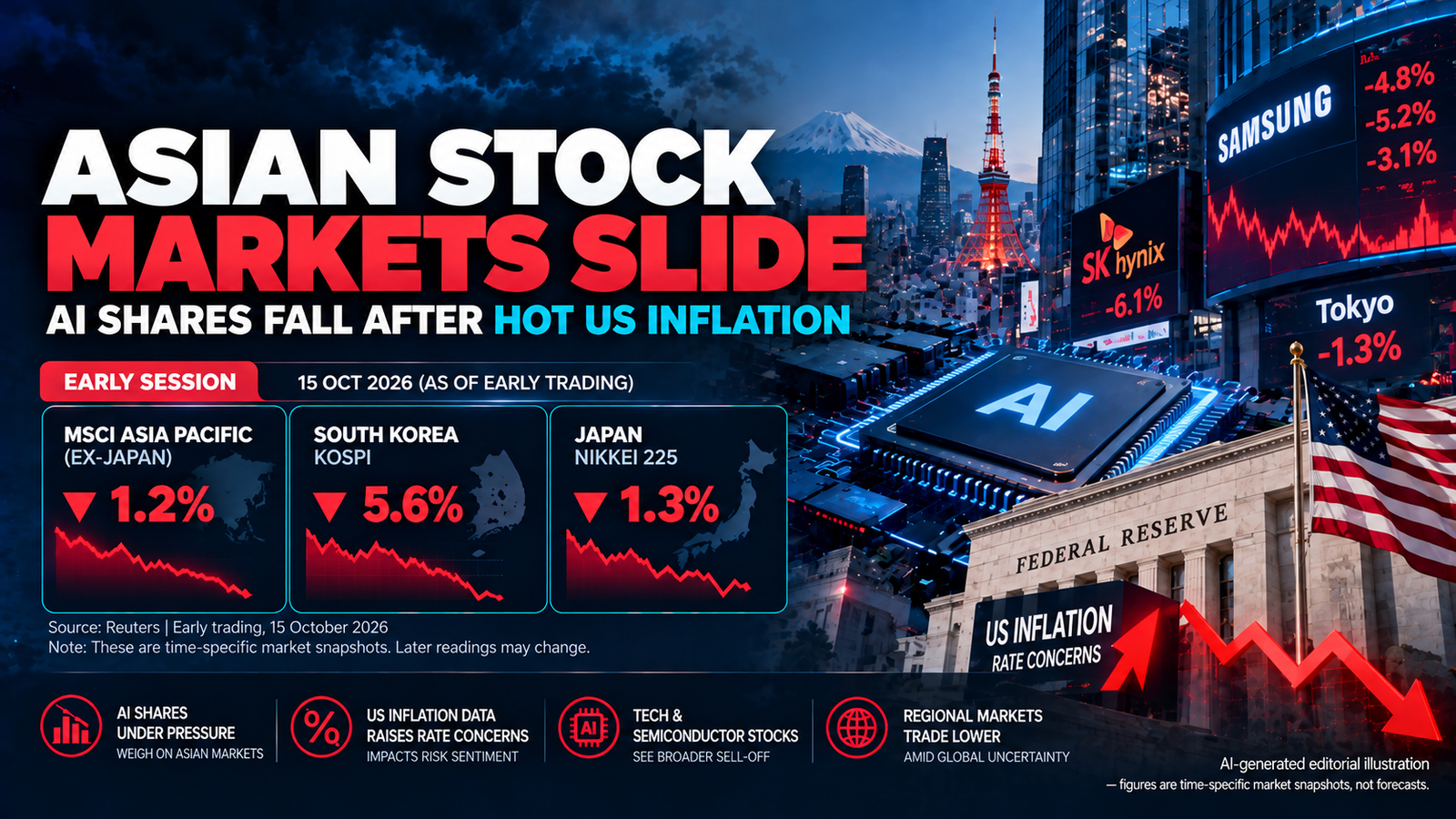
Reuters’ market coverage described a difficult week for AI-related shares as investors weighed stronger inflation and energy prices. Oil was one part of a wider set of risks.
A rise in Brent does not prove that a particular stock-market loss was caused entirely by energy prices. Different companies and markets respond to several influences at once.
Could Emergency Oil Reserves Help?
Some countries keep emergency oil and fuel reserves to help during supply disruptions. Releasing part of these reserves can provide temporary additional supply to the market.
Reuters and other international outlets reported discussions and announcements involving reserve releases intended to ease pressure from current disruptions.
Such releases may help address a short-term shortage, but they cannot automatically solve every problem involving shipping routes, refineries or long-running conflicts.
The amount, timing and type of fuel released are important. Crude oil and finished products such as diesel do not meet exactly the same needs.
Why Shipping Costs Matter to Oil Prices
Crude oil usually travels long distances by tanker. Shipping companies charge freight rates to move it between ports.
Reuters reported that some supertanker freight rates eased from recent record highs during the week, although rates remained elevated because of instability around important routes.
This shows another important distinction: the price of oil and the cost of moving oil can rise or fall by different amounts.
For a buyer, the final cost of receiving oil can include the crude price, shipping, insurance and other expenses. Freight disruptions may therefore matter even when the benchmark price changes only a little.
What Investors Should Watch Next
The next market developments may depend on security in the Strait of Hormuz, conditions at important energy facilities, Russian refining activity and policy decisions about sanctions and reserves.
Traders will also follow oil-demand forecasts, global inflation data, central-bank statements and official inventory reports.
For readers checking oil prices online, it is helpful to look at whether a number is a current trading quote, a previous settlement or an intraday high. Those are not interchangeable.
No reliable source can guarantee where Brent will trade next week. Markets may rise further, fall back or remain volatile as new information arrives.
A Simple Example of How Higher Oil Affects Daily Life
Imagine a transport business that uses diesel to deliver goods. If its fuel cost rises for several weeks, the business must decide whether to accept a smaller profit or increase delivery charges.
A shop receiving those goods may then face higher transport costs. Whether shelf prices rise depends on competition, contracts and other expenses.
This example explains a possible route from oil markets to household prices. It is not a prediction that every Pakistani shop will immediately charge more.
The important lesson is that oil prices matter beyond the energy sector because transport is connected to much of the economy.
Conclusion
Brent crude touched $110 during October 16 trading and settled at $109.86, its highest settlement since May. WTI closed at $101.41 as Middle East security worries and uncertainty over Russian fuel supplies pushed prices higher.
The Brent crude oil price October 2026 rally highlights how geopolitical tension can affect energy costs, inflation expectations and investor sentiment around the world.
For Pakistan, the main concern is possible pressure on fuel imports and business costs. But international crude prices are not the same as local pump prices, and no automatic domestic price change follows from a single trading session.
Frequently Asked Questions
What was the Brent crude oil price on October 16, 2026?
Brent settled at $109.86 a barrel after briefly touching $110 during the session.
Did Brent close at $110?
No. $110 was an intraday level. Its reported settlement was $109.86.
Why did oil prices rise?
Traders were concerned about Middle East supply risks, shipping security and possible disruptions to Russian refining and fuel exports.
What was the WTI oil price?
US WTI settled at $101.41 a barrel on October 16, up 3.5% for the day.
What is Brent crude oil?
It is a widely used international benchmark for pricing crude oil.
Will petrol prices rise in Pakistan?
Not necessarily. Local prices depend on official decisions, exchange rates, taxes and other costs.
Do higher oil prices help energy stocks?
Some producers may benefit, but the effect depends on each company’s operations and financial position. Returns are not guaranteed.
Can oil prices fall again?
Yes. Prices can fall if supply concerns ease, demand weakens or other market conditions change.
About The Author