Gold prices rebounded on Friday, October 9, 2026, after a volatile week in which the precious metal had fallen to a two-month low. Spot gold rose around 1.5% to $4,194.36 an ounce by late U.S. trading, while December U.S. gold futures settled near $4,216.30, according to Reuters. A softer dollar and a retreat in Treasury yields supported the recovery.
The rebound came as investors weighed a difficult combination of inflation risk, elevated energy prices and the possibility of further U.S. Federal Reserve interest-rate increases. These forces matter because gold pays no interest. When investors can obtain higher yields from government bonds, holding bullion can become relatively less attractive.
At the same time, gold can benefit when confidence in currencies, public finances or broader markets weakens. This creates a complicated environment: some risks encourage safe-haven demand, while high interest rates can work against gold prices. The October rally illustrated how quickly that balance can change.
The latest reported spot and futures figures refer to Friday’s October 9 trading, not a live price for Sunday, October 11. Markets can reopen at different levels, and local retail prices may diverge because of currency rates, taxes and dealer premiums.
What happened to gold prices on October 9?
Reuters reported that gold recovered for a second consecutive session, reaching a one-week high after bargain buying emerged. Earlier that week, the metal had touched a two-month low as the U.S. dollar strengthened and Treasury yields climbed. The late-week change in market conditions helped bullion regain ground.
The spot price reached approximately $4,194.36 an ounce by 19:29 GMT on October 9, a gain of about 1.5% on the day. The report put the weekly advance at roughly 1.3%. U.S. December gold futures settled at $4,216.30, up around 1.4%. Those are dated market observations rather than guaranteed prices for subsequent sessions.
The difference between spot gold and futures is important. Spot quotes refer to the current benchmark price for physical-market settlement, while futures are standardized contracts tied to a future delivery month. Futures may trade above or below spot because of financing costs, expectations and market conditions. They should not be confused with the price of jewelry in a shop.
Why a weaker dollar helped bullion
Gold is commonly quoted in U.S. dollars on international markets. When the dollar weakens against other major currencies, buyers using euros, pounds or other currencies may find the metal comparatively less expensive. That relationship can support demand, although it is not a mechanical rule that holds in every trading session.
On October 9, the dollar’s earlier rally lost some momentum. Reuters linked the move to a more supportive backdrop for precious metals. Currency markets were responding in part to changing perceptions about inflation, economic growth and Federal Reserve policy.
Investors should remember that a gold price measured in local currency involves two variables: the international dollar-denominated price and the local exchange rate. Gold could rise in dollars while a stronger local currency limits its domestic gain. Conversely, currency depreciation can make local gold more expensive even if the global benchmark is stable.
Treasury yields and the opportunity cost of gold
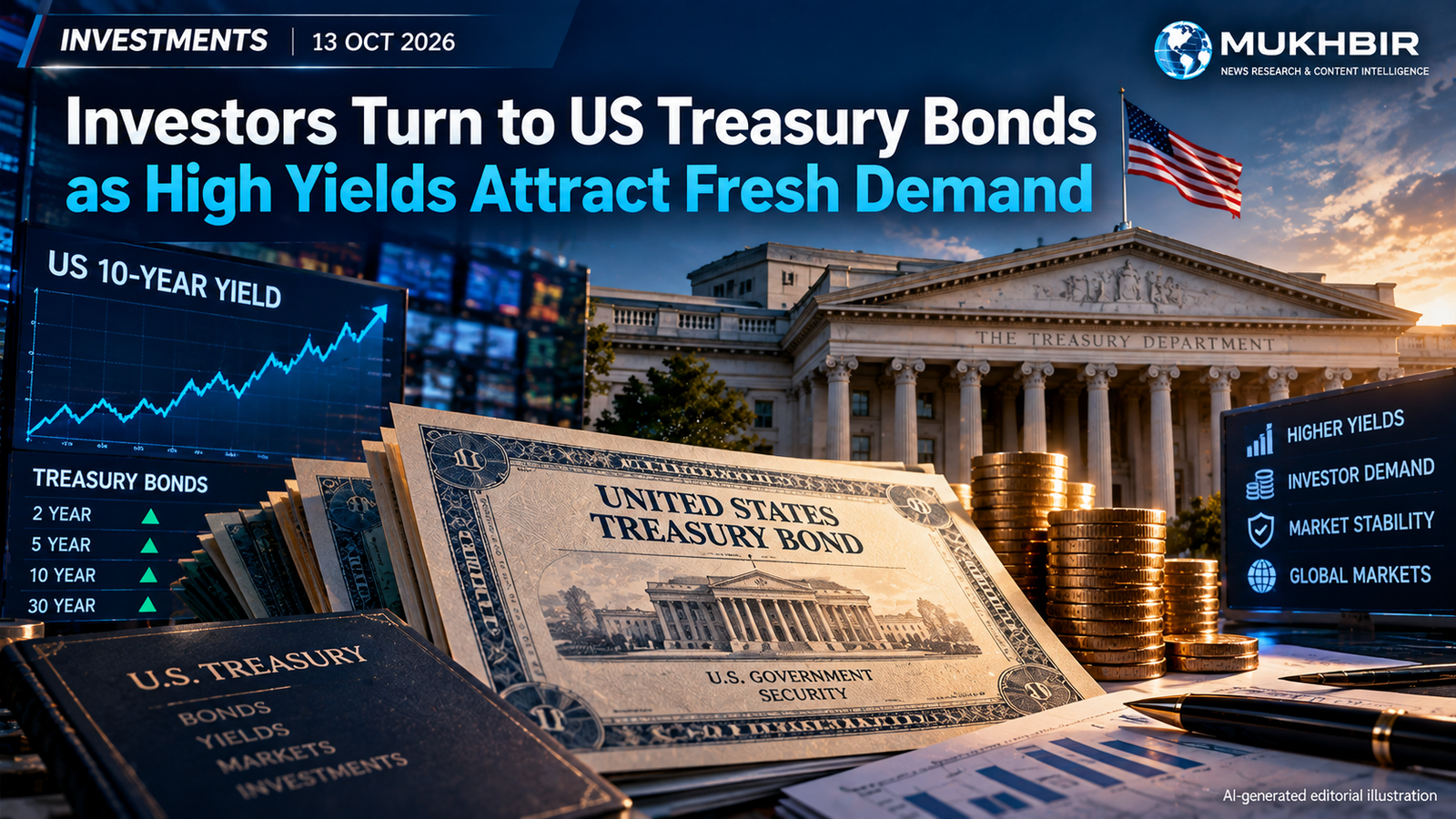
U.S. Treasury securities compete with gold for investors seeking defensive assets, but they provide different exposures. Government bonds pay interest or offer a known yield if held to maturity, whereas gold generates no cash income. When bond yields rise, the opportunity cost of holding bullion often increases.
Reuters reported that Treasury yields retreated from recent highs toward the end of the week. That helped remove some pressure from gold. Bond yields and prices move in opposite directions, so a drop in yields generally reflects higher bond prices. Investors monitor both assets because changing expectations for interest rates can rapidly affect their relative appeal.
Nominal yields are only part of the equation. Real yields—returns adjusted for expected inflation—can be particularly important to gold valuation. A bond might offer a high stated yield yet deliver a less attractive inflation-adjusted return if price pressures remain elevated. The relationship varies with market positioning, risk sentiment and central-bank credibility.
How Federal Reserve expectations affect gold
The Federal Reserve sets U.S. monetary policy with the aim of maintaining price stability and supporting employment. Higher interest rates generally support the dollar and lift yields on cash-like instruments. Such conditions can constrain non-yielding assets such as gold, though periods of financial stress can change demand patterns.
Reuters said traders were debating the possibility of another interest-rate increase following a previous quarter-point hike. Inflation risks related to energy remained a concern, and upcoming U.S. economic data would help shape expectations ahead of the central bank’s October meeting. These probabilities can shift sharply when new figures or official statements arrive.
For gold investors, the key question is not simply whether the Fed raises or holds rates. Markets also respond to whether the decision matches expectations, what policymakers say about future moves and how Treasury yields react. A rate decision already priced into markets can provoke a smaller response than an unexpected change in guidance.
Energy prices created a two-sided market
Geopolitical uncertainty in the Middle East contributed to elevated oil prices and inflation concerns during the week. Higher energy costs can raise transportation and manufacturing expenses, adding pressure to household budgets and business margins. Those risks sometimes increase interest in defensive investments.
But an energy-driven inflation shock can also lead investors to expect tighter monetary policy, pushing bond yields and the dollar upward. In that scenario, gold may struggle even while the news backdrop appears worrying. The relationship helps explain why a commodity often described as an inflation hedge does not rise every time inflation fears increase.
Reuters connected Friday’s gold recovery partly to easing oil prices and a softer dollar. A modest reduction in near-term energy worries can lower yields or alter expectations for interest-rate increases. That can support gold even if the broader geopolitical picture remains unsettled.
Is gold always a safe-haven investment?
Gold has a long history as a store of value and a potential diversifier. Investors may buy it when they worry about currency instability, financial stress or geopolitical conflict. Central-bank holdings and global investor demand also contribute to the metal’s role in the financial system.
However, safe haven does not mean risk-free. Gold can fall sharply over short periods, as the early-October decline demonstrated. Its price is affected by interest rates, the dollar, speculative trading, physical demand and investor sentiment. It does not offer a guaranteed return, and purchasing physical metal can involve storage, insurance and dealer costs.
Gold-mining shares are not identical to physical bullion. A mining company faces operating costs, management decisions, local regulation and market valuation risks. Similarly, futures and leveraged products may involve margin requirements or losses that exceed an investor’s initial expectations. Investors need to understand the instrument before interpreting a movement in the gold benchmark.
What the gold rebound means for global portfolios
The recovery demonstrates why commodity performance cannot be assessed in isolation. Equities, bonds, currencies and precious metals respond to overlapping economic forces, but they do not always move in the same direction. An investor heavily exposed to one scenario—such as permanently falling interest rates—can be vulnerable when expectations change.
Diversification may reduce dependence on a single asset, although it cannot eliminate market risk. Gold can play a role in some portfolios, but the appropriate exposure depends on liquidity needs, investment horizon, tolerance for loss and existing holdings. The latest rally is a market development, not a recommendation to buy at any price.
Investors should also distinguish between headline volatility and long-term purchasing power. A single weekly rebound offers little proof of where prices will trade over the next year. More useful indicators include inflation trends, real yields, central-bank communication, global risk sentiment and changes in physical investment demand.
Pakistan and South Asia: Why global gold prices matter
The international gold benchmark matters for Pakistan because domestic prices reflect global bullion movements as well as the rupee-dollar exchange rate and local market conditions. Households may follow gold for jewelry purchases, weddings and savings, while traders consider inventory costs and price volatility.
A sharp move in international gold does not translate into an identical percentage change in Pakistan’s quoted per-tola rate. Exchange-rate shifts, market timing, product purity and dealer margins can affect the retail amount. Readers should therefore verify the latest local rate from a reliable domestic market source rather than converting an international spot quote directly.
India and other South Asian markets also have substantial cultural and commercial interest in gold. Seasonal jewelry demand, duties, exchange rates and household preferences can influence local prices. However, international gold price reporting should not be presented as evidence of a specific Pakistan or India retail rate unless that rate has been independently verified.
What investors should watch next
The next major clues include U.S. inflation data, Federal Reserve commentary, Treasury yield changes and developments affecting global energy supply. A surprisingly high inflation reading might raise rate-hike expectations and weigh on gold, whereas softer data could provide support. Neither outcome is certain because markets often anticipate news before its release.
The strength of the dollar also deserves attention. A renewed rally could limit bullion demand from non-dollar investors, while currency weakness could do the opposite. Gold traders will simultaneously monitor geopolitical headlines, ETF activity and physical demand for signs that the recovery is broadening or losing strength.
Above all, the October 9 rebound should be understood in context. Gold recovered from a recent low after the pressure from yields and the dollar eased, but it remained exposed to further policy and market surprises. For investors, the story is about changing risk and return trade-offs rather than a confirmed new upward trend.
Frequently Asked Questions
Why did gold prices rise on October 9, 2026?
Gold gained as the U.S. dollar softened, Treasury yields eased and bargain buying emerged after a two-month low earlier in the week.
What was the reported spot gold price?
Reuters reported spot gold near $4,194.36 per ounce in late October 9 trading. This is a dated international benchmark, not a live quote.
What was the U.S. gold futures settlement?
December U.S. gold futures settled at about $4,216.30 per ounce on October 9, according to Reuters.
Why do higher interest rates often pressure gold?
Gold pays no interest, so higher yields on bonds and cash can increase the opportunity cost of owning it.
Does a weaker dollar always make gold rise?
No. A weaker dollar can support internationally traded gold, but supply, demand, interest rates and investor sentiment also affect prices.
Is gold a guaranteed hedge against inflation?
No. Gold can preserve value over some periods, but it is volatile and may decline when real yields or the dollar rise.
Why can Pakistan’s gold price differ from the world price?
Domestic prices depend on the international benchmark plus exchange rates, trading conditions, purity and retail costs.
What should gold investors follow next?
Watch U.S. inflation figures, Federal Reserve guidance, Treasury yields, the dollar and geopolitical developments.
About The Author