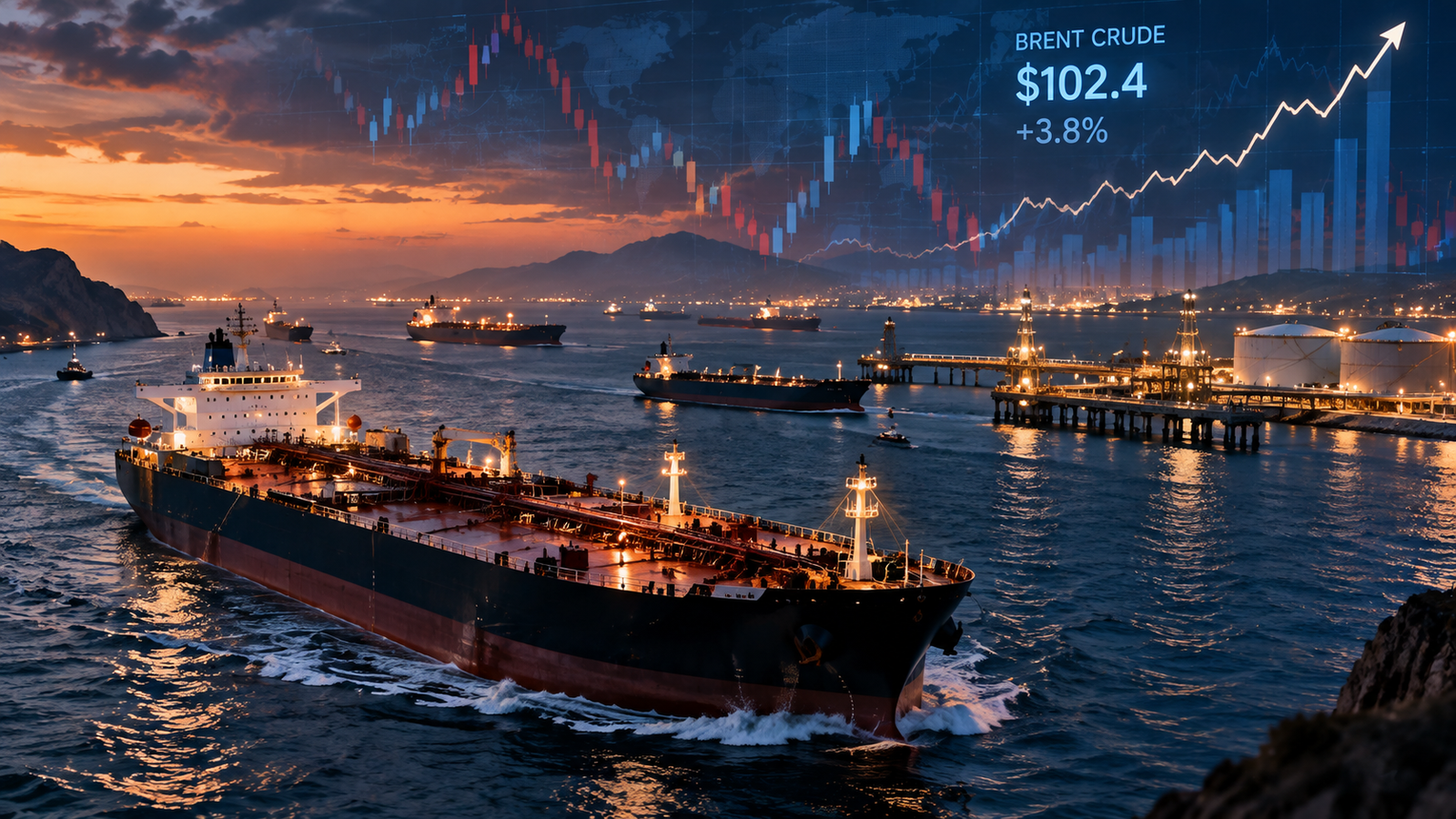
Global oil prices rose sharply on October 8 as investors reacted to a combination of Middle East shipping risks, production shutdowns in the U.S. Gulf of Mexico and tighter crude inventories. Brent crude climbed to about $102.28 a barrel, while U.S. West Texas Intermediate rose to roughly $89.94, according to Reuters.
The latest move extends a period of renewed volatility in energy markets. Tanker security in and around the Gulf has deteriorated, with shipping incidents increasing around the Strait of Hormuz, one of the world’s most important energy chokepoints. At the same time, producers in the U.S. Gulf of Mexico have curtailed operations as Tropical Storm Isaias approaches the southern U.S. coast.
For investors, the combination matters because it raises the possibility of simultaneous disruption on two major fronts: transport risk in the Middle East and weather-related supply losses in North America. It also comes at a time when energy prices are feeding back into inflation expectations, bond yields and equity valuations.
Why Oil Prices Rose
The immediate driver was concern that physical supply could become harder to move through key maritime routes. Reuters reported that attacks and security incidents involving tankers in the Gulf and Strait of Hormuz have intensified, increasing insurance, shipping and operational risks for vessels moving crude and refined products through the region.
The Strait of Hormuz remains critical because a large share of global oil shipments passes through it. Even when actual export volumes continue to flow, a rise in attacks, attempted attacks or harassment can raise transport costs, slow vessel movements and force companies to change routes or operating procedures.
These risks were reinforced by developments in the United States. Shell and Chevron reduced offshore production in the Gulf of Mexico as Tropical Storm Isaias approached. Reuters reported that about a quarter of regional oil production and roughly 16% of gas output had been shut in, tightening short-term supply expectations.
Brent Above $102 Puts Energy Back at the Centre of Markets
Brent’s move above $102 is important because it places crude firmly back into a price range that can have broad economic consequences. High oil prices can lift fuel and transport costs, squeeze company margins and increase inflationary pressure, particularly in economies that depend heavily on imported energy.
Energy traders are also watching whether the latest move is temporary or the start of a more persistent supply premium. If shipping disruptions continue and U.S. production remains restricted, the market may need to rely more heavily on inventories and spare capacity elsewhere.
At the same time, oil markets remain highly sensitive to diplomatic developments, shipping security and weather. A de-escalation in the Gulf or a quick restart of U.S. offshore output could ease prices, while further disruptions could keep the market elevated.
U.S. Inventories Add Another Layer of Support
Reuters reported that U.S. crude inventories fell by about 3.2 million barrels, a larger decline than analysts had expected. Falling inventories can strengthen oil prices because they indicate that available supplies are being drawn down rather than replenished.
Distillate inventories have also remained below normal levels. That matters because diesel and other middle distillates are central to freight, industry and agriculture. Tight distillate supplies can amplify the economic impact of higher crude prices by pushing up transport and logistics costs.
The inventory data therefore added to a market already worried about shipping security and production losses. Together, these factors created a stronger short-term case for higher prices than any one factor would have produced on its own.
IEA Reserve Releases May Offer Relief, but Not a Full Solution
The International Energy Agency has said it will accelerate planned releases from emergency oil reserves. Reuters reported that about 100 million barrels from an earlier coordinated release programme still remain to be delivered to the market.
Strategic reserve releases can help smooth short-term shortages and calm prices, especially when supply disruptions are temporary. However, they do not create new production capacity. If disruptions persist for a long period, markets eventually need additional physical output or lower demand to restore balance.
That distinction is important for investors. Reserve releases can reduce panic and improve liquidity, but they may not fully offset a prolonged structural disruption in shipping or production.
What the Strait of Hormuz Risk Means for Investors
The Strait of Hormuz is a narrow maritime corridor connecting Gulf energy exporters with global markets. Because so much oil passes through the route, even a limited increase in security risk can affect global benchmarks.
Reuters reported that the latest period has seen the highest frequency of tanker incidents since the current regional conflict began. The reported incidents include attacks, attempted attacks and other forms of interference. This does not mean all Gulf exports have stopped, but it increases the probability of delays and higher costs.
For financial markets, the main issue is the risk premium. Traders may be willing to pay more for oil when the probability of disruption rises, even if current supply is still arriving. That premium can remain in prices until the security environment improves.
Impact on Stocks and Bonds
Higher oil prices are not only an energy-market story. They can influence equities and bonds by affecting inflation and interest-rate expectations. When energy prices rise sharply, investors may worry that central banks will need to keep monetary policy tighter for longer.
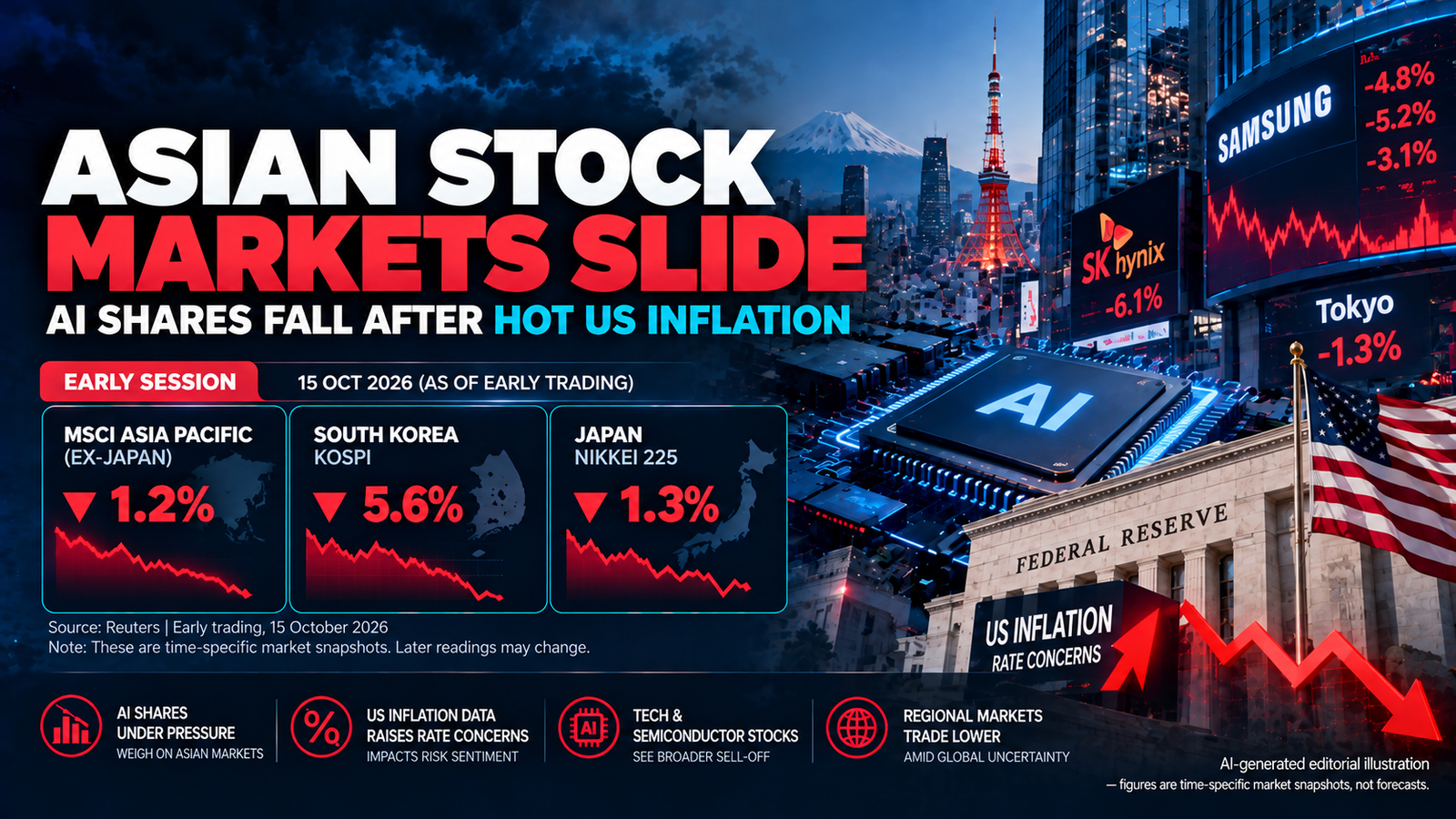
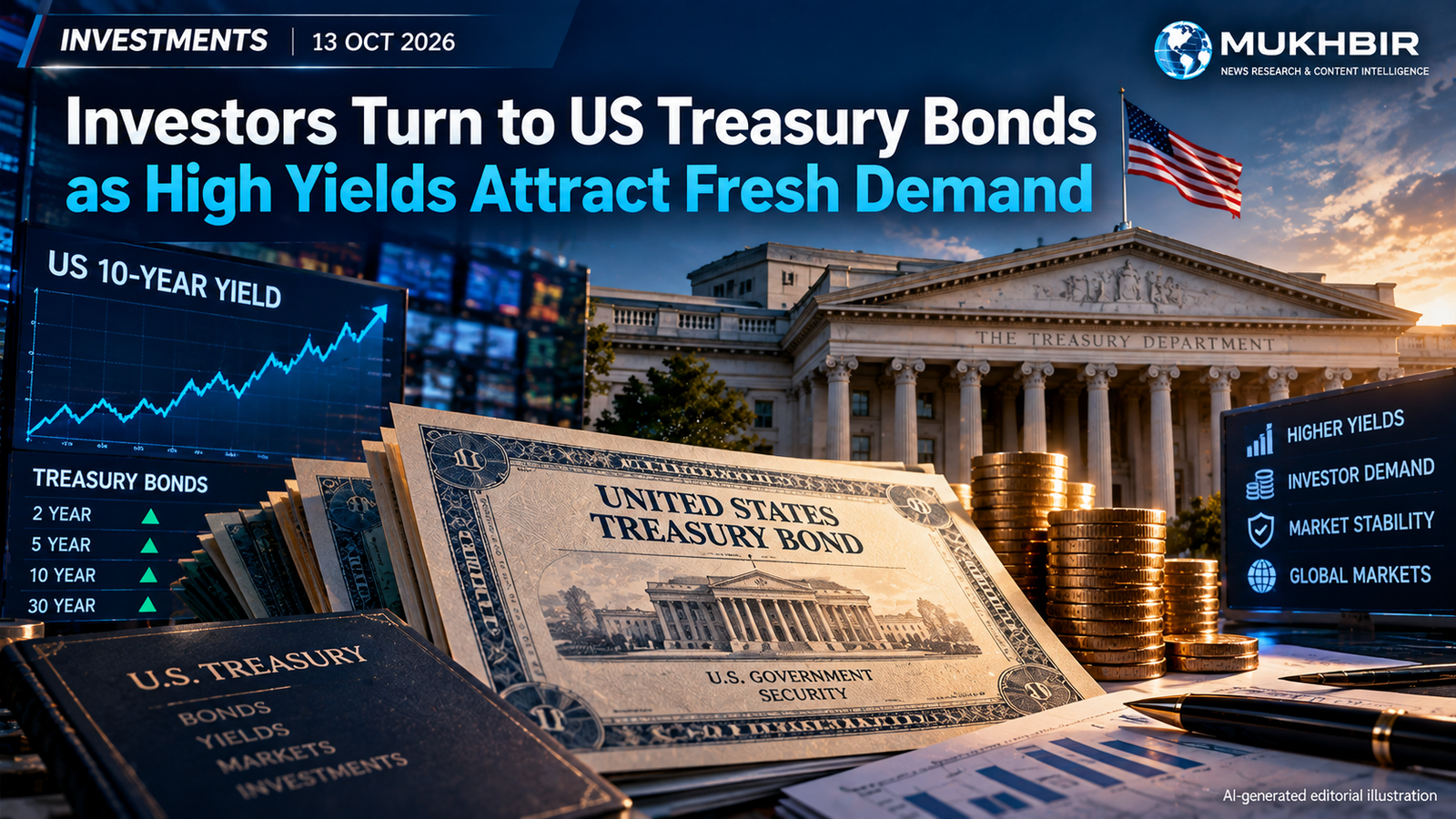
That concern has already appeared in global markets. U.S. Treasury yields remain elevated near multi-decade highs, while several Asian equity markets have come under pressure. Higher borrowing costs can reduce the present value of future corporate earnings and make risk assets less attractive relative to bonds.
Energy producers may benefit from higher crude prices, but airlines, transport companies, manufacturers and consumer businesses can face higher operating costs. The market impact therefore varies significantly by sector.
Asia and Emerging Markets Face Added Pressure
Asian economies are particularly sensitive to oil because several major countries are large net importers of energy. Higher crude prices can worsen trade balances, increase inflation and put pressure on local currencies.
India provides a clear example. Reuters reported that Indian stocks extended losses as higher oil prices added to concerns following a recent rate increase by the Reserve Bank of India. Rising energy costs can make inflation management more difficult and reduce room for accommodative policy.
Similar pressures can affect other energy-importing markets across Asia. Investors may pay closer attention to current-account balances, currency reserves and government fuel-subsidy policies if oil remains above $100 for an extended period.
Pakistan Relevance
For Pakistan, sustained high oil prices would be a significant macroeconomic risk because the country relies heavily on imported energy. A higher oil import bill can increase pressure on the trade balance, foreign-exchange reserves, inflation and the rupee.
Fuel prices also feed into transport, logistics, electricity generation and production costs. If global crude remains elevated, the impact can eventually spread across multiple sectors of the economy, depending on taxation, exchange rates and domestic pricing decisions.
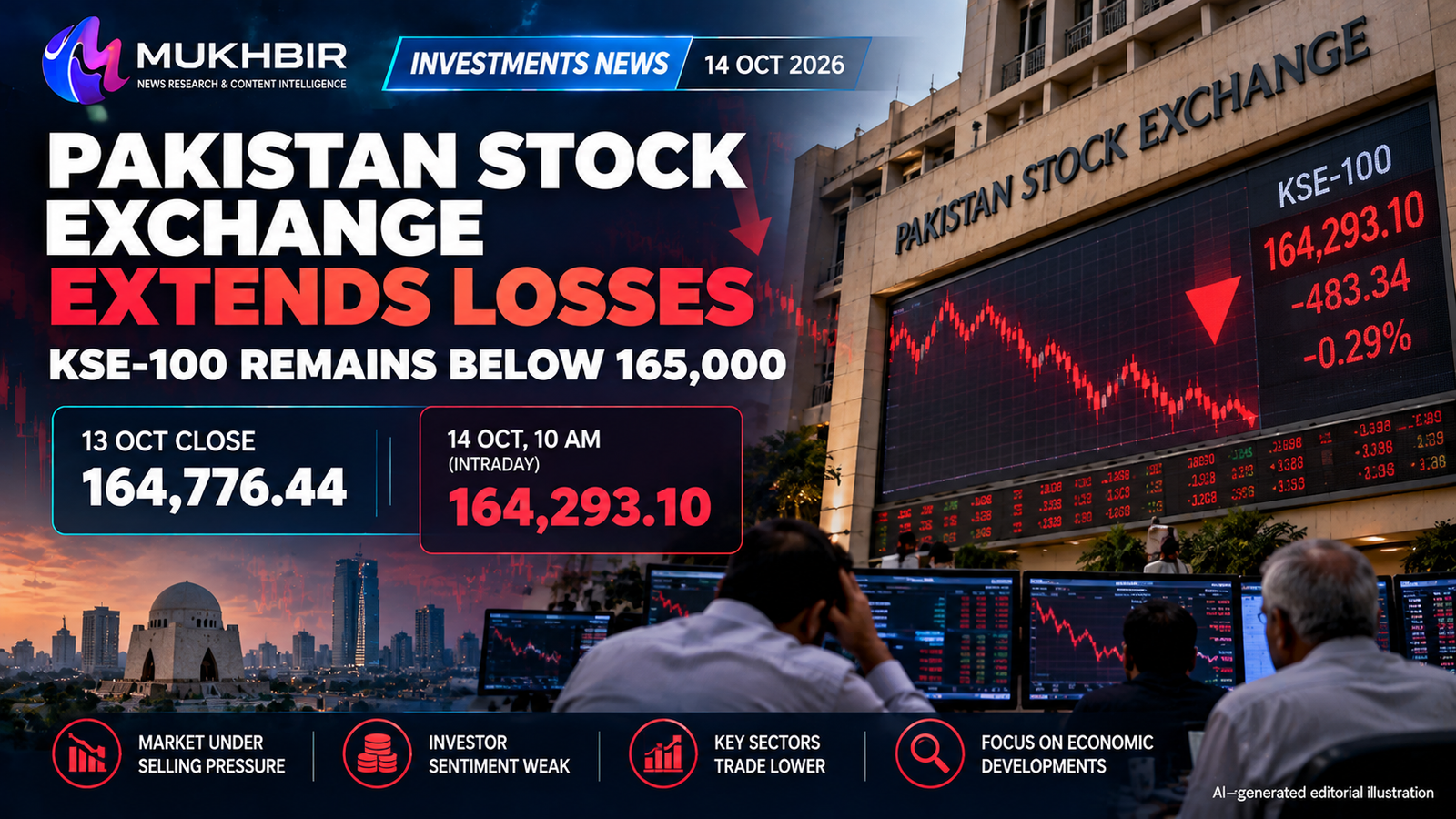
For investors in Pakistan, the key variables to watch would include the rupee, petroleum prices, inflation expectations, interest-rate outlook and the performance of energy-intensive sectors. Oil and gas exploration companies may benefit from higher global prices, while companies with large fuel or transport costs could face margin pressure.
Business Impact
Businesses around the world are likely to watch three channels: fuel costs, freight costs and financing conditions. Higher oil directly raises operating costs for many companies, while shipping insecurity can increase insurance and freight charges. At the same time, energy-driven inflation can keep bond yields high and make corporate borrowing more expensive.
This combination can be particularly difficult for companies with thin margins. Manufacturers, airlines, logistics groups and consumer-facing businesses may struggle to pass all higher costs on to customers without hurting demand.
Energy producers and some commodity-linked firms may see improved revenues, but investors will still weigh those gains against geopolitical and operational risks.
Technology and AI Investment Angle
The oil story also intersects with technology markets because global bond yields are already under pressure from heavy corporate financing needs. Reuters reported that major technology companies are considering or pursuing large debt raises linked to AI infrastructure investment.
If oil-driven inflation keeps yields elevated, financing AI data centres, chip purchases and other capital-intensive projects could become more expensive. That does not necessarily derail investment, but it raises the hurdle rate for projects and may increase investor scrutiny of returns.
The result is a market where energy risk and technology spending are becoming increasingly connected through the cost of capital.
What Investors Should Watch Next
The first factor is shipping security in the Gulf. Any further attack, disruption or escalation near the Strait of Hormuz could add another risk premium to crude prices. Conversely, signs of de-escalation could quickly reduce some of that premium.
The second factor is the U.S. Gulf of Mexico. Markets will watch whether Tropical Storm Isaias intensifies, how long production remains shut and how quickly companies can restart operations after the storm passes.
The third factor is inventory data. Continued declines in U.S. crude or distillate stocks would strengthen the argument that the market is tightening, while inventory builds could reduce pressure.
Finally, investors will monitor the IEA and major governments for further intervention. Strategic reserve releases can influence sentiment, but markets will judge whether those measures are large and fast enough to offset real-world supply constraints.
Why This Story Matters for Investors
Oil above $102 is more than a commodity headline. It affects inflation, currencies, bond yields, corporate profits and consumer spending. It also changes the policy environment for central banks and governments, especially in energy-importing countries.
The current move is being driven by several simultaneous factors rather than a single isolated event. That makes the outlook harder to predict and increases the importance of risk management.
For now, the market is treating supply security as a central concern. The next direction will depend on whether Gulf shipping risks ease, U.S. production restarts quickly and strategic reserves can stabilise expectations.
FAQs
Why did oil prices rise above $102?
Oil prices rose because of heightened tanker security risks in the Gulf, production shutdowns in the U.S. Gulf of Mexico and falling U.S. crude inventories.
What was Brent crude trading at?
Reuters reported Brent crude at about $102.28 a barrel during the October 8 move.
Why is the Strait of Hormuz important?
It is one of the world’s most important oil-shipping routes, so disruptions or attacks can quickly affect global supply expectations and transport costs.
How is the U.S. storm affecting oil supply?
Shell, Chevron and other producers reduced or shut some Gulf of Mexico operations as Tropical Storm Isaias approached, temporarily removing output from the market.
Can strategic oil reserves bring prices down?
Reserve releases can provide short-term relief, but they do not replace permanently lost production capacity if disruptions continue.
Why does this matter for Pakistan?
Pakistan imports a large share of its energy, so sustained higher oil prices can increase the import bill, inflation and pressure on the rupee and foreign-exchange reserves.
Which sectors can be affected most?
Transport, airlines, logistics, manufacturing and consumer businesses can face higher costs, while some energy producers may benefit from stronger crude prices.
What should investors watch next?
Key indicators include Gulf shipping security, U.S. storm-related production shutdowns, inventory data, strategic reserve releases and global bond yields.
About The Author